We Buy Gold . Top Prices Paid .

7 Day Price Promise .

30 Day Returns 

Free World Wide Shipping 

Life Time Warranty 

SPRING SALE 

Simplified 7 Step Engagement Ring Buying Guide.

In our engagement ring buying guide learn about and compare the engagement ring centre stone (natural diamond vs lab-grown diamond vs gemstone), diamond 4Cs (cut/colour/clarity/carat), diamond certification, ring metal (platinum, white/yellow/rose gold), ring setting types (solitaire, halo, bezel), ring size and fit, ethics, and aftercare/insurance.


Engagement Ring Buying Guide.variety of ethical lab grown diamonds in different cuts and sizes, arranged on a sleek, modern surface of blue velvet , showcasing their versatility, minimal royal grey background with copy space

Engagement Ring Buying Guide -Step1-Centre Stone Type

  • Natural diamond (mined)

    : a diamond formed naturally and mined. Price is driven by rarity and the 4Cs (cut, colour, clarity, carat). Ask for an independent grading report for meaningful comparison between stones.

  • Lab-grown diamond

    : a real diamond (same chemical composition and crystal structure as a mined diamond) created in a controlled environment. Lab-grown diamonds often offer a larger size or higher 4C grades for the same budget. They should still be graded by an independent lab.

  • Gemstones

    (e.g., sapphire, ruby, emerald): chosen primarily for colour and personality. Durability varies—some stones need more protective settings and more careful wear. Ask whether the stone has been treated (common for many gems) and what care is recommended.

IGI Certificate and Diamond Ring
  • Cut (most important for sparkle): cut quality controls brightness, fire, and scintillation. For round brilliant diamonds, prioritise top cut grades first—an excellent cut can make a smaller diamond look more lively than a larger, poorly cut stone. For fancy shapes (oval, pear, marquise), ask about light performance and check for issues like a visible “bow-tie”.
  • Colour: many buyers choose near-colourless grades for a bright white look. Yellow or rose gold can visually soften warmth, potentially letting you prioritise size or cut over very high colour grades.
  • Clarity: aim for eye-clean—no inclusions visible face-up at normal viewing distance. Inclusions near the edges can be more risky for certain shapes; ask where inclusions sit and whether they affect durability.
  • Carat (weight): carat is weight, not face-up size. Two diamonds with the same carat weight can look different sizes depending on shape and proportions.
  • Certification:
  • This is sometimes known as the 5th “C”. It is recommended that your diamond jewellery is supplied with GIA,IGI or HRD certification diamond grading report. 
AdobeStock 1796774790 Preview

Engagement Ring Buying Guide-Step 3-Metal Type

Metal choice affects colour, feel, maintenance, and long-term wear. For engagement rings (worn daily), prioritise durability and serviceability—you want a metal that can be polished and maintained over decades.

  • Platinum

    : naturally white, dense, and strong—popular for secure prongs. It can develop a soft patina with wear and can be repolished during servicing. More dense  and scratch resistance than gold 

  • 22K gold

  • :This is not suited for setting precious stones as gold’s natural state is softer and malleable  than other metals.  This is why gold purity is diluted with other metals such as copper or silver to make the jewellery item more hardwearing and durable for everyday use  such as engagement rings. 22K Gold  is hallmarked at 916.  
  • 18K gold

    Popular for engagement rings due to prestige and colour. It has a  lower pure gold content than 22k  and a rich colour. Slightly softer than lower-karat gold alloys, so slim bands and delicate settings may show wear sooner. This is hallmarked at 750. A popular  choice for most engagement rings and retains value better than other gold alloys. 

  • 14K gold

    : a common durability/value balance and harder due to higher alloy content.This is hallmarked at 585

  • 9K gold

    : durable and budget-friendly with very lower gold content; colour can vary by alloy and it may look less rich than 14K/18K.This is hallmarked at 375.

Diamond Shape Guide. Round , Oval, Princess and Radiant Cut
Shop by Diamond Shape

Engagement Ring Buying Guide - Step 4-Centre Diamond Shape

In this engagement ring buying guide we explain the different centre stone shapes you can buy from Hispek Diamonds . Some shapes can look bigger per carat. The centre diamond shape  changes the ring’s overall style, how large the stone looks, and how durable it is in everyday wear. Some shapes have delicate points that benefit from protective settings (e.g., V-prongs or bezels). The other consideration is how it may match other items of jewellery that you may wish to adorn simultaneously.  

  • Round – classic, maximises sparkle for many cutting styles; easiest to match with most settings.
  • Princess – modern square look; pointed corners need protection for long-term wear.
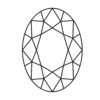
  • Oval – elegant, often looks larger per carat; can show a “bow-tie” effect depending on cut.
  • Cushion – soft square/rectangular outline; vintage feel with good brilliance.
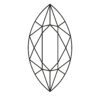
  • Marquise – elongating and can look larger; the pointed ends should be protected.
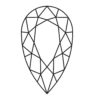
  • Pear – teardrop silhouette; point requires protection and careful symmetry selection.
  • Heart – statement shape; looks best with excellent symmetry and a protective setting.

Engagement Ring Buying Guide - Step-5- The Ring Setting

The setting holds the stone(s) and determines the ring’s profile (how high it sits), how secure it is, and how easy it is to clean. If the wearer uses their hands alot (healthcare, gym, crafts, childcare), consider lower-profile or more protective settings. 

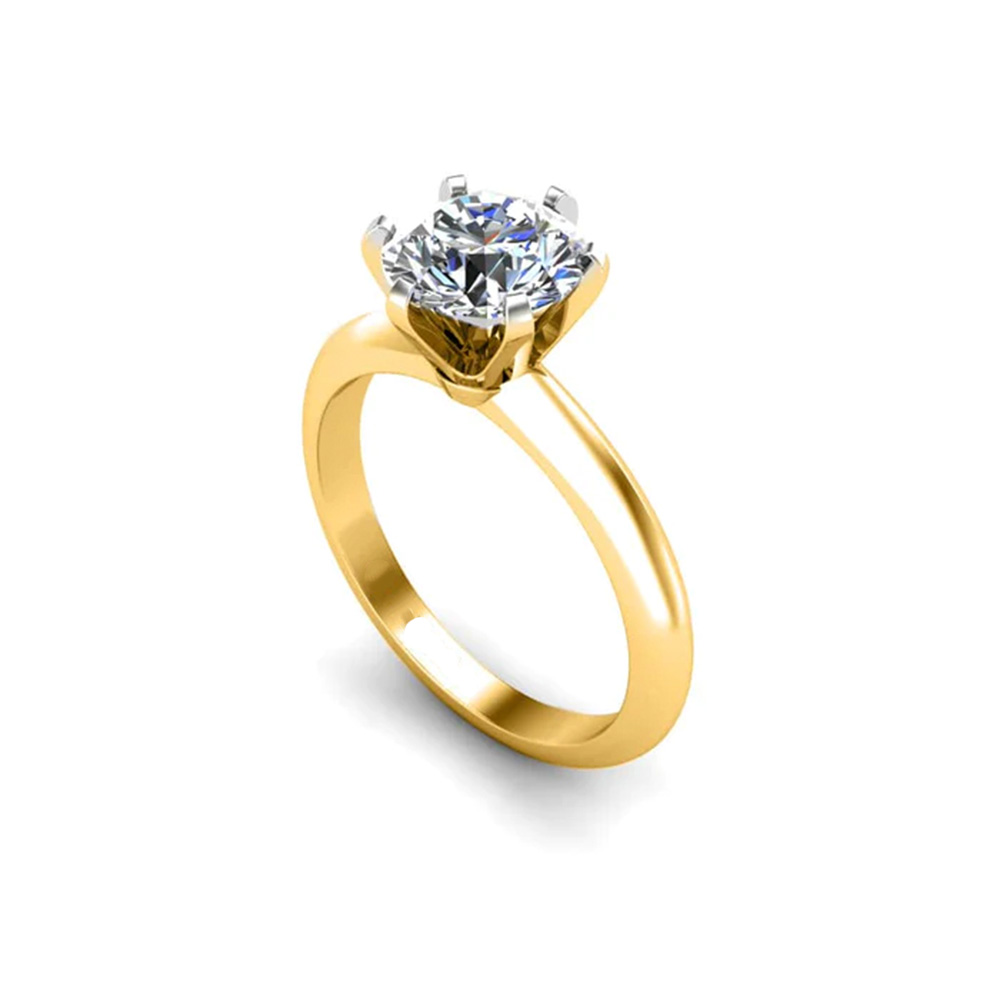
  • Solitaire: one centre stone; timeless and easy to style. Ask whether it’s set with 4 or 6 prongs and how high it sits (higher profiles can snag more easily).
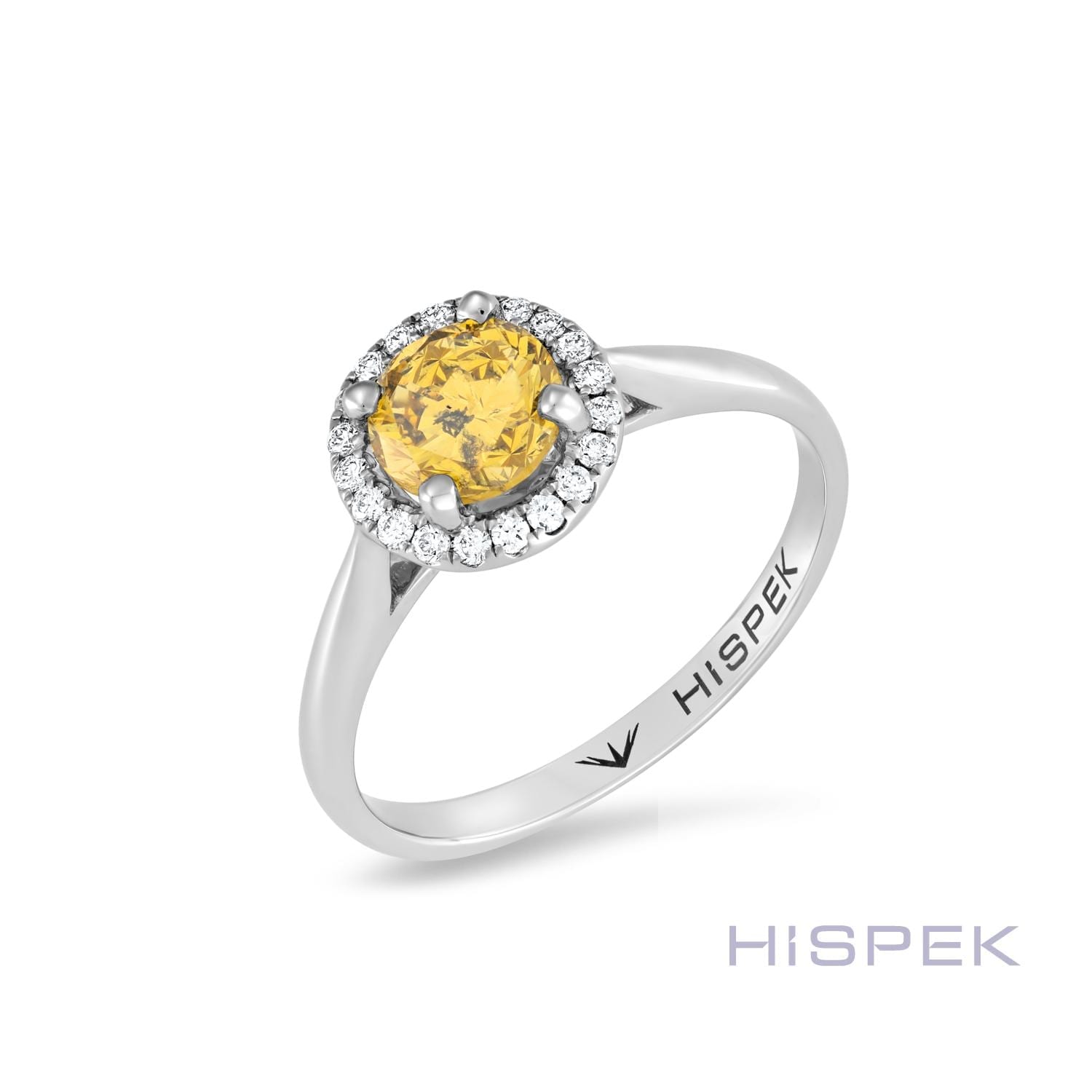
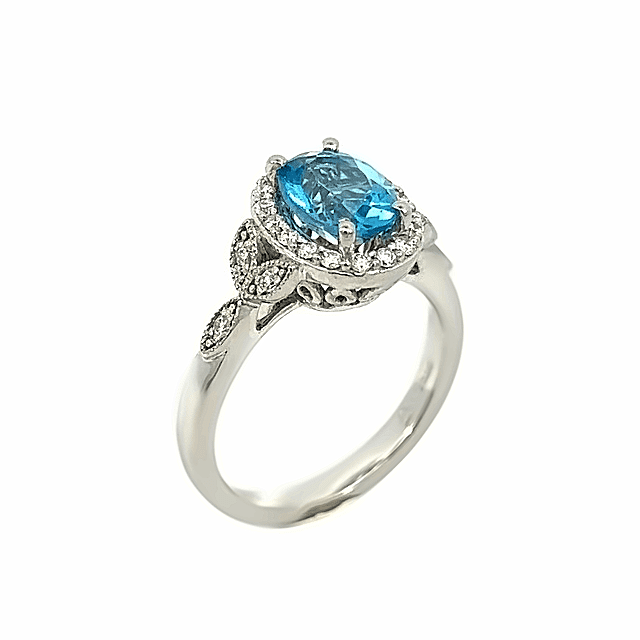
  • Halo: smaller stones around the centre can boost perceived size and sparkle, but can need more frequent cleaning and checking (more tiny settings/prongs).
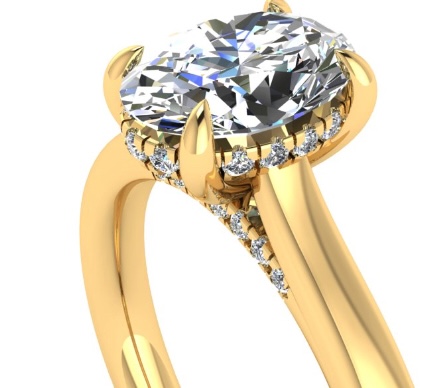
  • Under Halo A variation of the traditional halo but the smaller stones are beneath the centre stone.
  • Side-stone / shoulder stones: adds sparkle and presence; consider comfort if the stones go far around the band and might rub adjacent fingers.
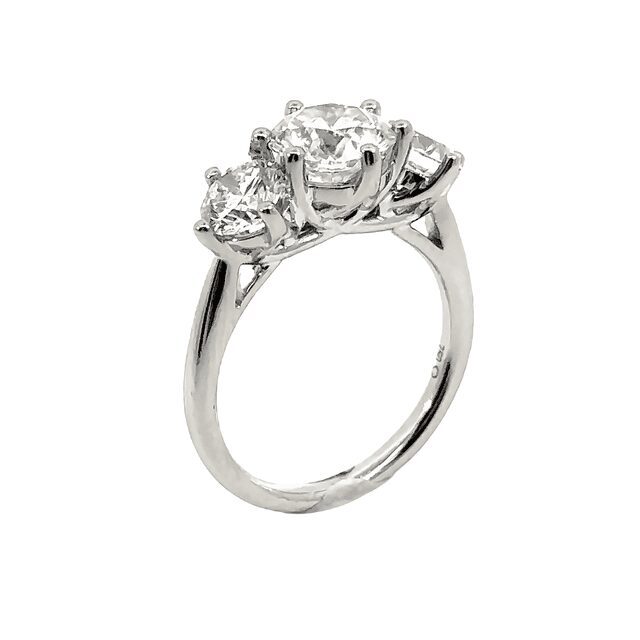
  • Trilogy (three-stone): balanced look and symbolism; check how it will sit with a wedding band and whether side stones are protected.
  • Bezel or half-bezel: metal rim around the stone; one of the most protective, lower-snag options and great for active lifestyles.
  • Vintage / detailed settings: milgrain, filigree, and intricate galleries look beautiful but can be more delicate—ask about servicing and repairability.
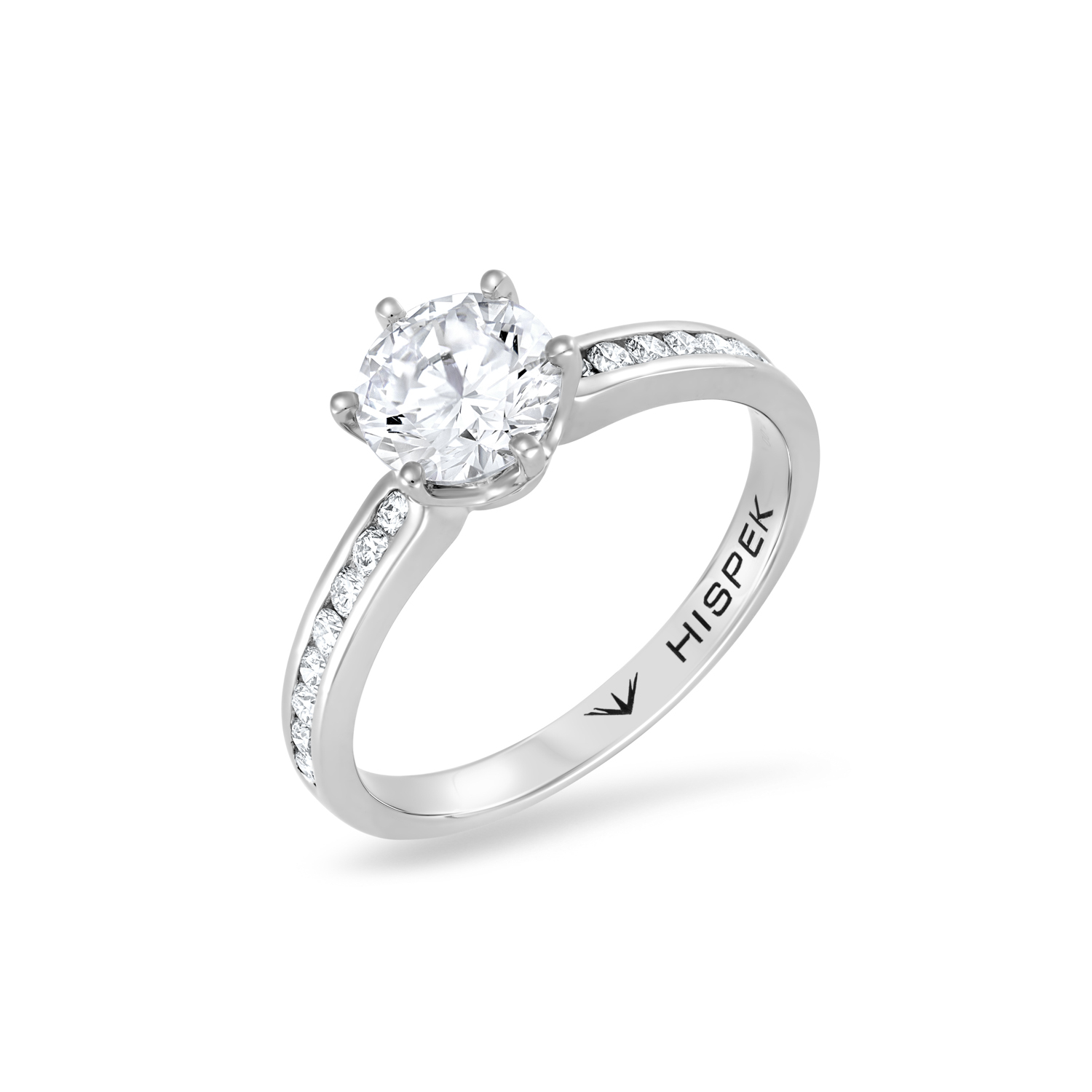
  • Pave and Channel – These are options for sidestone rings that offer greater protection and look neater to the eye and cleaner appearance.  
Finger Ring Sizers

Engagement Ring Buying Guide-Step 6- Ring size (UK), fit, comfort, and resizing

Ring sizing is not universal and can be a little confusing at first. Different regions of the world use varying standards. For example in the UK we use letters. Most common sizes here are K-N. In the USA they have an equivalent system using numbers. Charts are available showing the same size using the different standards, making it easier understand the equivalent ring size from say the USA as compared to the UK ring size.

UK ring size 

  • Uses letters (e.g., L, M, N). UK sizes are based on the ring’s inside circumference measured in millimetres, and the letter size corresponds to that circumference. Many UK jewellers size to a British Standard gauge; if you’re between sizes, ask whether half-sizes are available.

US and Canada ring size

  • Uses numbers (e.g., 5, 6, 7) with half and quarter sizes common. This system is based on a standardised scale that correlates to diameter/circumference.
  • EU (most of Europe):

    Typically uses a number equal to inner circumference in mm (e.g., EU 52 is ~52 mm circumference). This is one of the simplest systems for comparing internationally.

  • Japan:

    Uses numbers (often 1–27). These are not the same as US numbers—always convert via mm.

  • Other systems:

    You may also see systems for regions such as China/Hong Kong that use their own numeric scales. If a retailer lists only a region-specific size, request the millimetre measurement to confirm.

  • Fit tips (applies worldwide):

    Finger size changes with temperature, time of day, hydration, and activity—measure more than once if possible. Wider bands usually feel tighter, so you may need a slightly larger size.

  • Resizing:

  • Confirm the retailer’s resizing/exchange policy before purchase. Eternity bands (stones all the way around) and some intricate settings can be difficult or impossible to resize.

  • Surprise proposal:

    If you can’t measure accurately, it’s often easier to resize down than to resize up a lot—so a slightly larger size can be safer (but policies vary). 

Engagement Ring Buying Guide - Step 7- Ethics, warranties, and long-term care

  • Ethics & provenance: ask what sourcing standards are used (e.g., chain-of-custody documentation where available) and what disclosures are provided for diamonds and gemstones (including treatments for coloured stones).
  • Paperwork to keep: sales receipt, metal hallmark/description, diamond/gem grading report, and any laser inscription details.
  • Servicing: plan routine checks (often every 6–12 months) to ensure prongs and small stones remain secure—especially for halos and multi-stone rings.
  • Cleaning: gentle soap and a soft brush works for many rings; avoid harsh chemicals and remove rings for heavy lifting, cleaning products, and contact sports.
  • Insurance: consider insuring the ring once purchased (or once proposed) and keep documents/photos for valuation and claims.