
How to Choose the Best Gold & Diamond Jeweller in London
London’s jewellery landscape offers countless options, from historic Hatton Garden establishments to contemporary boutiques and online specialists. With significant financial and emotional investment at stake, choosing the right jeweller requires careful consideration beyond attractive window displays or persuasive sales pitches. Understanding what distinguishes reputable jewellers from questionable operators protects your investment whilst ensuring a satisfying purchasing experience.
When choosing a diamond jeweller in London, it’s essential to check for industry credentials, such as National Association of Jewellers membership and Assay Office registration. Ensure the jeweller offers certified diamonds from GIA or IGI and provides transparent pricing with a clear breakdown of costs. Additionally, consider after-sales support like warranties and maintenance services to guarantee lasting satisfaction.
Why Your Jeweller Choice Matters
The jeweller you choose fundamentally impacts every aspect of your purchase: diamond quality, pricing transparency, after-sales support, and whether your investment represents genuine value or a costly mistake. Reputable jewellers provide certified diamonds, proper UK hallmarking, transparent pricing, and expert guidance. Questionable operators offer vague assurances, unmarked metals, and certificates from unknown sources.
London’s diverse jewellery market includes world-class establishments maintaining centuries of expertise alongside newer retailers leveraging technology for competitive advantages. Your task involves identifying which jewellers deserve your trust and business.
Check for Industry Credentials and Memberships
Legitimate credentials provide the foundation for evaluating London jewellers. These memberships require adherence to professional standards, ethical practices, and consumer protection protocols.
National Association of Jewellers (NAJ)
NAJ membership indicates established industry recognition. Members commit to codes of conduct covering fair trading, accurate descriptions, and consumer rights. The organisation provides mediation services should disputes arise, offering recourse beyond direct negotiation with retailers.

When visiting jewellers, look for NAJ membership certificates displayed prominently. Verify membership on the NAJ website if uncertain. This simple check immediately distinguishes established businesses from unverified operators.
Assay Office Registration
UK law requires precious metal items exceeding specific weights to bear official hallmarks. Jewellers registered with UK Assay Offices (Birmingham, London, Edinburgh, or Sheffield) demonstrate commitment to legal compliance and quality standards.
Registration means the jeweller has undergone verification processes and maintains accounts with Assay Offices for legitimate hallmarking services. Unregistered sellers cannot legally hallmark items, raising serious questions about their legitimacy and product authenticity.
Gemological Certifications
Staff qualifications matter significantly. Look for jewellers employing gemologists trained by recognised institutions like GIA (Gemological Institute of America), IGI (International Gemological Institute), or British equivalent bodies. These professionals possess technical expertise to accurately assess diamond quality, explain the 4Cs, and guide appropriate selections.
Qualified gemologists demonstrate jewellers’ commitment to expertise over mere sales tactics. They educate customers rather than pressuring purchases, helping you understand what you’re buying and why specific diamonds represent good or poor value.
Verify Diamond Certification Standards
Diamond purchases require independent certification from reputable gemological laboratories. This non-negotiable standard protects you from overpaying for inflated quality claims.
Recognized Certification Laboratories
Insist on diamonds certified by GIA, IGI, or HRD (Hoge Raad voor Diamant). These laboratories maintain consistent, rigorous grading standards internationally recognised throughout the industry. Their certificates provide detailed 4Cs assessments, proportion analysis, and plotted clarity characteristics.
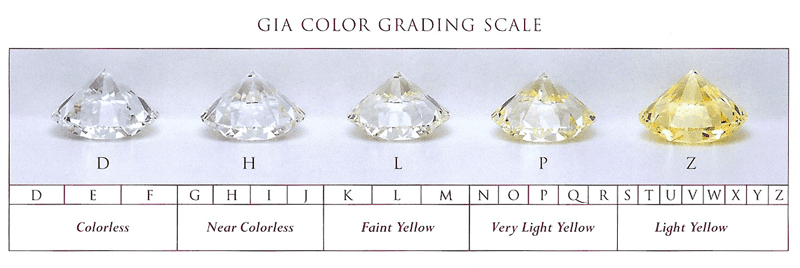
Be wary of jewellers offering diamonds with in-house certificates or certification from unknown laboratories. These documents lack credibility and independent verification. Reputable London jewellers exclusively stock properly certified diamonds, understanding customers deserve objective quality assurance.
Understanding Certification Details
Quality jewellers explain certification documentation thoroughly. They show you how to read certificates, point out critical information like fluorescence or clarity plotting, and explain how specifications affect value and appearance.
If jewellers seem reluctant to discuss certification details, rush through explanations, or dismiss certification importance, consider this a warning sign. Legitimate businesses pride themselves on transparency and educated customers.
Assess Transparency in Pricing
Pricing transparency distinguishes honest jewellers from those employing questionable tactics. London’s competitive market means pricing varies, but methodology should remain clear and defensible.
Clear Component Breakdown
Reputable jewellers explain exactly what you’re paying for: diamond costs based on certification specifications, setting materials and craftsmanship charges, and any additional services like engraving or resizing. This itemised approach allows you to understand value and compare options intelligently.
Be cautious of vague “package pricing” without component breakdowns. This obscures where your money goes and prevents meaningful comparison with other jewellers.
Market-Aligned Diamond Pricing
Diamond wholesale markets operate transparently through price indices like Rapaport. Professional jewellers reference these benchmarks when pricing diamonds, applying consistent markups justified by their services, expertise, and business costs.
Prices dramatically below market rates often indicate quality issuespoor certification, clarity enhancement treatments, or misleading specifications. Conversely, excessive premiums above market benchmarks suggest profit exploitation rather than fair value.
Written Quotations
Quality jewellers provide detailed written quotations including specifications, pricing components, and terms. This documentation protects both parties and demonstrates confidence in their pricing and practices.
Verbal-only quotations or reluctance to provide written details suggest potential issues. Legitimate businesses document everything, knowing transparency builds trust and protects against misunderstandings.
Evaluate Physical Presence and Facilities
Physical establishment indicates business stability and accountability. While online jewellers offer legitimate services, the combination of a physical showroom with online presence provides maximum reassurance.
Showroom Standards
Visit potential jewellers’ showrooms when possible. Professional environments feature proper lighting for viewing diamonds, comfortable consultation areas, and security appropriate for valuable inventory. Staff should demonstrate product knowledge, patience with questions, and the absence of high-pressure tactics.
Showroom conditions reflect business professionalism. Well-maintained, properly equipped facilities suggest established operations investing in customer experience. Poor conditions raise questions about business viability and customer prioritisation.
Location Considerations
Hatton Garden maintains London’s traditional jewellery quarter reputation, housing numerous established dealers. However, excellent jewellers operate throughout London Edgware, Mayfair, Knightsbridge, and other areas that host reputable businesses.
Location matters less than credentials, transparency, and customer reviews. Don’t assume Hatton Garden automatically means quality, or that jewellers elsewhere lack expertise. Evaluate each business individually based on objective criteria.
Read Customer Reviews and Testimonials
Modern technology provides unprecedented access to customer experiences through online reviews. These insights reveal how jewellers treat customers throughout the purchasing journey and beyond.
Multiple Review Platforms
Check reviews across multiple platforms: Google Reviews, Trustpilot, social media, and industry-specific sites. Consistent positive feedback across platforms indicates genuine customer satisfaction. Single-platform reviews might be manipulated; multi-platform consistency proves harder to fabricate.
Pay particular attention to how jewellers respond to negative reviews. Professional businesses acknowledge concerns, offer resolutions, and demonstrate commitment to customer satisfaction. Defensive, dismissive, or absent responses suggest a poor customer service culture.
Review Content Analysis
Look beyond star ratings to actual review content. Detailed reviews describing specific positive experiences, knowledgeable staff, fair pricing, quality products, and excellent after-sales service carry more weight than brief generic praise.
Be cautious of overly similar reviews posted within short timeframes, often indicating fake reviews. Genuine customer feedback varies in detail, writing style, and specific praised aspects.
Understand After-Sales Support and Warranties
After-sales service quality reveals jewellers’ true commitment to customers. Excellent products deserve excellent ongoing support.
Warranty Coverage
Reputable jewellers offer warranties covering manufacturing defects, stone security, and structural integrity. Lifetime warranties demonstrate confidence in craftsmanship quality. Understand exactly what warranties cover and any maintenance requirements for validity.
Limited or absent warranties suggest questionable product quality or business instability. Quality jewellers stand behind their work comprehensively.
Maintenance Services
Ongoing maintenance cleaning, inspection, prong tightening, and re-plating white goldk eeps jewellery looking beautiful and structurally sound. Many London jewellers offer complimentary lifetime cleaning and inspection for pieces they sell.
These services provide value beyond initial purchase whilst creating ongoing relationships. Jewellers offering robust maintenance demonstrate long-term thinking and customer prioritisation over quick sales.
Resizing and Alterations
Life changes require jewellery adjustments. Quality jewellers provide resizing services, understanding that rings need occasional modification. They should explain resizing limitations for specific designs and provide clear pricing for these services.
Ask the Right Questions
Informed customers make better decisions. Don’t hesitate to ask detailed questions; legitimate jewellers welcome educated customers.
About diamonds: Request certification details, ask about fluorescence, inquire about diamond origin (natural vs lab-grown), and understand return policies for diamonds not meeting expectations.
About metals: Verify gold purity, confirm UK hallmarking compliance, ask about metal sourcing, and understand care requirements for different metals.
About pricing: Request component breakdowns, ask about price-matching policies, understand payment options, and clarify any additional fees for services like engraving.
About services: Confirm warranty coverage, ask about maintenance offerings, understand resizing policies, and verify insurance documentation provision.
Jewellers should answer confidently and comprehensively. Evasive responses, pressure to decide quickly, or dismissal of legitimate questions indicate problems.
Recognize Warning Signs
Reluctance to provide detailed information or documentation suggests something to hide. Pressure tactics limited-time offers, urgency without justification manipulate rather than inform. Vague specifications or unwillingness to show certification indicate questionable quality. Dramatically below-market pricing often means misrepresented quality or certification issues.
Trust your instincts. If something feels wrong, it probably is. London offers numerous excellent jewellers; never feel compelled to purchase from businesses raising concerns.
The Hispek Diamonds Difference in London
At Hispek Diamonds, our Edgware location exemplifies what London customers should expect from quality jewellers. We maintain National Association of Jewellers membership and Birmingham Assay Office registration, ensuring full industry compliance and professional standards.
Our diamond inventory includes only GIA and IGI-certified stones, with complete transparency regarding specifications and pricing. We provide detailed quotations, explain certification thoroughly, and never employ pressure tactics. Our full bespoke service allows complete customization whilst our lifetime warranty demonstrates confidence in craftsmanship quality.
Visit our London showroom at Matrix Business Centre, 167-169 Station Road, Edgware, HA8 7JU, where our expert consultants provide pressure-free guidance and comprehensive education about diamonds, precious metals, and jewellery selection.
Conclusion
Choosing London’s best gold and diamond jeweller requires evaluating credentials, transparency, customer feedback, and your comfort level throughout interactions. Take time visiting multiple jewellers, asking detailed questions, and comparing not just prices but overall value propositions.
The right jeweller provides certified quality, transparent pricing, expert guidance, and comprehensive after-sales support. They educate rather than pressure, document everything clearly, and maintain industry credentials demonstrating legitimacy and professionalism.
Your jewellery purchase represents a significant investment deserving careful consideration. By applying these evaluation criteria, you’ll identify London jewellers worthy of your trust and business, ensuring your investment delivers genuine value, lasting beauty, and complete satisfaction.
FAQs
What should I look for when choosing a jeweller in London?
When choosing a jeweller, ensure they have proper industry credentials, like membership in the National Association of Jewellers (NAJ) and registration with Assay Offices for proper hallmarking. Look for certified diamonds from reputable laboratories such as GIA or IGI. Transparency in pricing, a detailed breakdown of costs, and after-sales support are also key factors to consider.
Why is it important to check for industry memberships and certifications?
Memberships in industry associations like the NAJ and registration with Assay Offices ensure that the jeweller follows ethical practices and meets quality standards. Certifications like GIA or IGI guarantee that diamonds have been independently graded for quality, offering you peace of mind that you’re purchasing a legitimate product.
How do I know if the jeweller’s diamonds are of good quality?
Ensure that the jeweller offers diamonds certified by well-known gemological institutes such as GIA, IGI, or HRD. These certifications provide a detailed analysis of the diamond’s 4Cs—cut, colour, clarity, and carat weight—giving you an objective assessment of its quality. Be cautious of jewellers offering uncertified diamonds or certificates from unrecognised labs.
What should I expect in terms of pricing transparency?
Reputable jewellers provide clear, itemised pricing that explains the costs of the diamond, setting, craftsmanship, and any additional services such as engraving or resizing. Avoid jewellers who offer vague pricing or “package deals” without a breakdown, as this can obscure where your money is going.
Is after-sales support important when choosing a jeweller?
Yes, after-sales support is crucial. Look for jewellers who offer warranties on their products, maintenance services like cleaning and prong tightening, and resizing options. A jeweller with robust after-sales support shows commitment to the long-term care of your purchase, ensuring that your jewellery stays beautiful and secure for years.