


Ring Size Measurement for a Comfortable Fit
Ring size measurement made simple: learn how to measure at home, avoid common fit mistakes and choose a comfortable ring with confidence before buying.

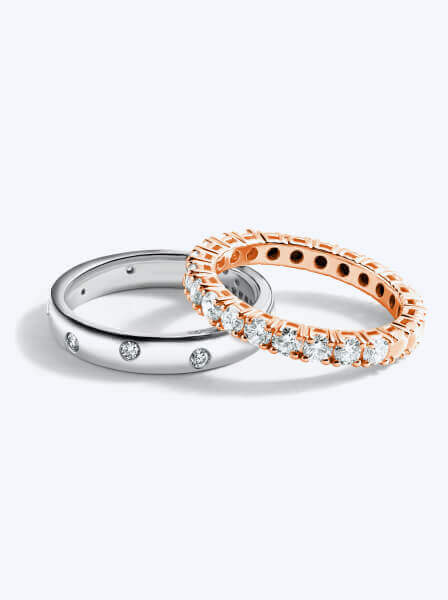
Selecting between white gold and yellow gold represents one of the most fundamental decisions when purchasing jewellery in London. Both metals offer distinct aesthetic qualities, practical considerations, and long-term value that influence which one proves most suitable for your needs. Understanding the differences in appearance and durability to maintenance requirements ensures you make an informed choice aligned with your lifestyle, taste, and budget.
Choosing between white gold and yellow gold for jewellery in London depends on personal style, maintenance preferences, and budget. White gold offers modern sophistication and pairs well with colourless diamonds, but requires periodic re-plating. Yellow gold is timeless, requires minimal upkeep, and complements warmer diamonds. Consider lifestyle, existing jewellery, and long-term costs to make an informed choice.
White gold isn’t naturally occurring. It’s created by alloying pure yellow gold with white metals, typically palladium, nickel, or silver, to achieve a silvery-white appearance. The resulting alloy is then rhodium-plated to enhance brightness and create the distinctive white finish UK buyers recognize.
The most common white gold purity for jewellery in London is 18K (750 fineness), meaning 75% pure gold alloyed with 25% white metals. This composite offers excellent durability while maintaining its precious metal content. Some jewellers also offer 9K white gold (375 fineness) at lower price points.
The rhodium plating deserves particular attention. This ultra-thin layer creates the bright white appearance customers expect. However, it isn’t permanent. Regular wear gradually removes this coating, requiring periodic re-plating every 1-3 years. Understanding this maintenance requirement proves essential when choosing white gold.
Yellow gold represents gold in its most recognizable form. While still alloyed for durabilitypure 24K gold is too soft yellow gold maintains the warm colour people associate with precious metal throughout history.
London jewellers typically offer yellow gold in 18K (75% pure gold) and 9K (37.5% pure gold) purities. Higher gold content in 18K creates a deeper, richer colour, whilst 9K appears slightly paler. Traditional Asian jewellery often uses 22K yellow gold (91.6% pure gold), prized for its intense colour and high precious metal content.
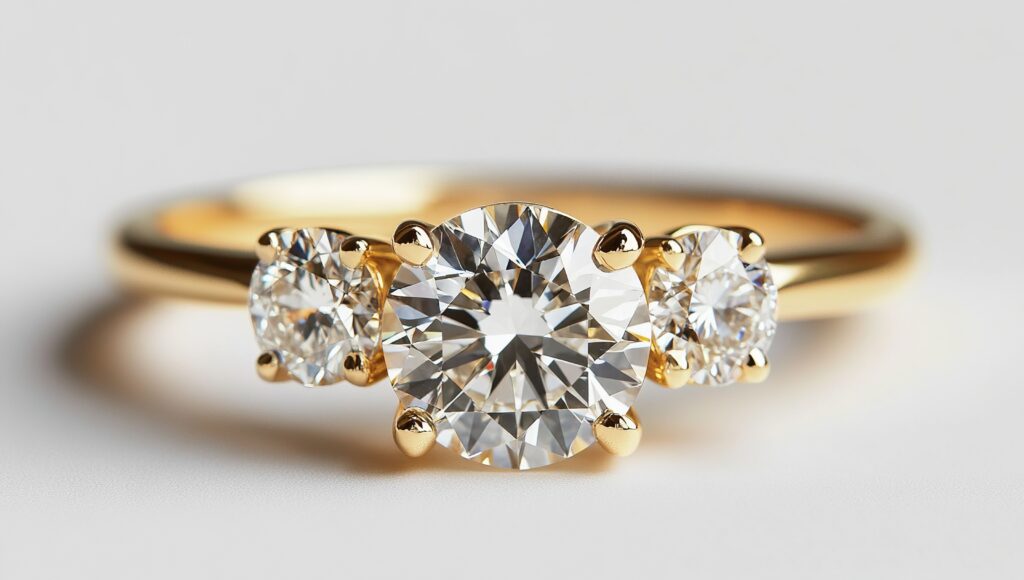
Yellow gold requires no plating. Its colour comes from the gold itself, meaning the finish remains consistent throughout the jewellery’s lifetime. This low-maintenance characteristic appeals to buyers wanting precious metal jewellery without ongoing servicing requirements.
Visual appearance drives most gold choice decisions. White gold delivers bright, silvery sophistication resembling platinum, whilst yellow gold offers warm, traditional richness. Beyond colour, each metal affects how diamonds and gemstones appear, influences perceived style—contemporary versus classic—and coordinates differently with existing jewellery and skin tones.
White gold conveys modern sophistication. Its bright silvery appearance creates sleek, minimalist aesthetics, particularly popular in engagement rings. The platinum-like appearance without platinum pricing makes white gold attractive to London buyers wanting contemporary style within accessible budgets.
Yellow gold embodies traditional elegance and timeless appeal. Its warm colour creates classic sophistication that never appears dated. Yellow gold particularly suits vintage-inspired designs, traditional wedding bands, and pieces coordinating with heritage jewellery.
Traditional wisdom suggests yellow gold complements warmer skin tones, whilst white gold suits cooler tones. However, these are guidelines rather than rules. Many people wear both metals successfully regardless of skin tone. Visit the London showrooms to try both metals, seeing which you prefer visually.
Metal choice significantly affects how diamonds appear. White gold enhances colourless diamonds (D-H colour grades), creating seamless integration where metal and stone blend beautifully. The white setting makes the subtle diamond colour less noticeable.
Yellow gold works beautifully with slightly warmer diamonds (I-K colour grades). The gold’s warmth makes the diamond tint imperceptible whilst costing less than higher colour grades. This represents strategic budget consideration. A 1-carat I colour diamond in yellow gold appears as beautiful as a 0.75-carat F colour diamond in white gold, whilst costing significantly less.
Both metals offer excellent durability, but maintenance differs significantly. White gold’s rhodium plating wears through daily friction, requiring professional re-plating every few years. Yellow gold develops natural patina, needing only polishing. Understanding these practical differences helps match metal choice to your lifestyle, occupation, and maintenance preferences.
Both white and yellow gold in 18K purity offer excellent durability for daily wear. However, white gold’s rhodium plating introduces practical considerations. The plating wears gradually through friction, particularly on ring undersides. High-wear items require re-plating every 1-3 years,s depending on wear patterns and lifestyle.
Active individuals who work with their hands, exercise regularly, or expose jewellery to chemicals find that plating wears faster. Healthcare workers, chefs, hairstylists, and those in manual trades often find yellow gold more practical.
White gold requires periodic re-plating to maintain a bright white appearance. As rhodium wears, the yellowish base metal gradually shows through. Re-plating costs in London typically range from £30 to £60, depending on piece size, with the process taking 1-2 weeks.
Yellow gold maintenance involves only occasional professional cleaning and polishingservices many London jewellers provide complimentary. No re-plating exists. Professional polishing restores the original shine easily. For buyers wanting minimal maintenance jewellery, yellow gold offers clear advantages.
Gold pricing varies based on purity and manufacturing processes rather than colour. White and yellow gold in identical karats cost similarly for metal content. However, white gold requires rhodium plating, adding modest initial costs. Long-term expenses differ significantly, with white gold incurring ongoing re-plating fees, while yellow gold avoids them completely.
White and yellow gold in identical purities cost similarly for metal content. The primary difference comes from manufacturing: white gold requires rhodium plating, adding £20-£40 to finished pieces.
Larger pricing variations come from purity choices. 18K gold costs substantially more than 9K due to higher pure gold content. London buyers often find 18K provides optimal value, legitimate investment-grade gold without 24K’s impractical softness.

Long-term, white gold incurs ongoing re-plating costs. A ring requiring re-plating every two years costs £30-£60 per service, potentially hundreds of pounds over decades.
Yellow gold involves no comparable ongoing costs. Occasional professional cleaning represents its only maintenance. For budget-conscious London buyers considering total ownership costs, yellow gold offers advantages.
London’s multicultural population creates unique jewellery market dynamics compared to other UK cities. Asian communities maintain strong preferences for high-purity yellow gold, particularly 22K pieces, reflecting cultural traditions and viewing jewellery as portable wealth. Western buyers increasingly favour white gold for contemporary engagement rings and fashion pieces. Understanding these cultural patterns helps jewellers serve diverse communities whilst revealing why both metals remain equally important.
Asian communities traditionally prefer yellow gold, particularly 22K (916 fineness) for rich colour and investment value. Traditional Asian jewellery bangles, necklaces, and wedding sets almost exclusively use yellow gold, reflecting cultural aesthetic preferences.
London jewellers serving these communities, particularly in Wembley, Southall, and Tooting, maintain extensive 22K yellow gold selections. The traditional warm colour holds cultural significance, connecting modern pieces to heritage.
White gold dominates contemporary UK engagement ring preferences. Data suggests 60-70% of London engagement ring purchases involve white gold settings, reflecting modern aesthetics favouring platinum-like appearance without premium pricing.
However, yellow gold experiences periodic revivals as fashion cycles. Currently, mixing metals and wearing white and yellow gold together is growing increasingly popular among younger London buyers.
Your daily activities, profession, and personal preferences should guide metal selection. Active occupations accelerate white gold plating wear, whilst yellow gold withstands demanding environments better. Consider existing jewellery, workplace culture, and budget strategies when making your choice.
Active lifestyles involving manual work, frequent hand-washing, or chemical exposure accelerate white gold plating wear. If daily activities involve high hand exposure, yellow gold’s no-plating advantage proves beneficial.
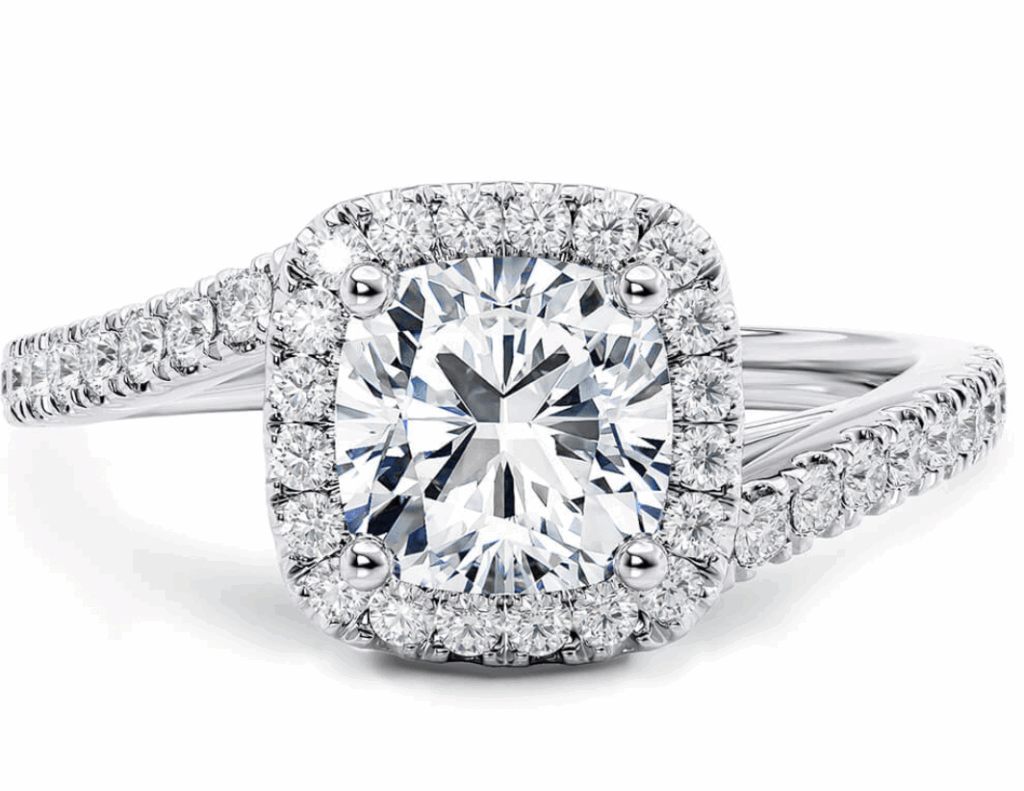
Professional environments sometimes influence choices. Conservative City workplaces might view yellow gold as traditional, whilst creative industries embrace contemporary white gold freely.
Consider jewellery you already own and wear regularly. Coordinating new pieces with existing metals creates a cohesive appearance. If you wear primarily white metals, new white gold integrates seamlessly. However, mixed metal wearing grows increasingly acceptable.
For engagement rings, the metal choice affects diamond budget allocation. Yellow gold pairs beautifully with I-K colour diamonds, costing significantly less than D-H grades required for white gold settings. This strategic choice stretches budgets further whilst maintaining a beautiful appearance.
Both white and yellow gold require hallmarking when exceeding 1 gram in weight. The Hallmarking Act 1973 protects consumers by requiring marks indicating gold purity (375 for 9K, 750 for 18K, 916 for 22K), the sponsor’s mark identifying the jeweller, and the assay office mark confirming independent testing.
Reputable London jewellers registered with UK Assay Offices, Birmingham, London, Edinburgh, or Sheffield guarantee proper hallmarking on all applicable pieces. This legal requirement verifies you receive the precious metal purity you’re paying for. Always check for proper hallmarks before purchasing.
At Hispek Diamonds, our London showroom in Edgware offers comprehensive selections in both white and yellow gold across all jewellery categories, engagement rings, wedding bands, bangles, necklaces, and bespoke pieces. We stock 9K, 18K, and 22K gold options, ensuring choices for every preference and budget.
We provide honest guidance on which metal suits your specific requirements, lifestyle, and preferences without pushing towards higher-priced options. Our specialists explain maintenance requirements transparently, ensuring you understand long-term implications. All pieces receive proper UK hallmarking through Birmingham Assay Office registration.
Choosing between white and yellow gold involves balancing aesthetic preferences, practical considerations, cultural influences, and budget realities. White gold delivers contemporary sophistication with a platinum-like appearance requiring periodic maintenance. Yellow gold provides timeless elegance with minimal upkeep and traditional appeal.
Whether you choose contemporary white gold or timeless yellow gold, our lifetime warranty covers manufacturing quality regardless of metal selection. We offer complimentary cleaning and inspection services for all pieces we sell.
Visit Hispek Diamonds at Matrix Business Centre, 167-169 Station Road, Edgware, London, HA8 7JU, where our specialists help you evaluate white versus yellow gold with your specific needs in mind.
Is white gold more expensive than yellow gold in London?
White and yellow gold in identical purities (18K or 9K) cost similarly for metal content. White gold adds £20-£40 for rhodium plating during manufacturing. Long-term, white gold costs more due to periodic re-plating fees of £30-£60 every few years.
Does white gold turn yellow over time?
Yes. White gold’s rhodium plating wears gradually through daily friction, revealing the yellowish base metal underneath. This typically occurs after 1-3 years of regular wear. Professional re-plating restores the bright white appearance.
Which gold is better for engagement rings in London?
White gold suits colourless diamonds (D-H grades) in contemporary settings. Yellow gold pairs beautifully with warmer diamonds (I-K grades) in traditional designs, whilst costing less. Choose based on personal style preferences, diamond colour, and maintenance willingness rather than “better.”
Can I wear white and yellow gold together?
Yes. Mixing metals is increasingly popular among London buyers, freeing you from choosing one exclusively. Many people wear white gold engagement rings with yellow gold wedding bands, or mix metals across different jewellery pieces for a distinctive personal style.
How often does white gold need re-plating in London?
White gold typically requires re-plating every 1-3 years, depending on wear patterns and lifestyle. Active individuals who work with their hands, exercise regularly, or expose jewellery to chemicals need more frequent replating. London jewellers charge for this service.
Ring size measurement made simple: learn how to measure at home, avoid common fit mistakes and choose a comfortable ring with confidence before buying.
When comparing high-polish vs textured 22K gold rings, a high-polish surface will usually make fine scratches and scuffs easier to notice because those marks interrupt…

Use this gold portfolio allocation example to compare 5%, 10% and 15% holdings, choose suitable bullion and weigh risks before you buy with confidence.

You can physically wear a 22K gold ring while showering, swimming or exercising, but removing it first is generally the safer care routine. Higher karat…

Gold investment explained for UK buyers: compare 24K bars, coins and jewellery, understand VAT, premiums, storage and the checks that protect your purchase.

A 22K gold ring can be considered for personalisation through engraving, but the decision should be made for the specific ring rather than assuming every…