

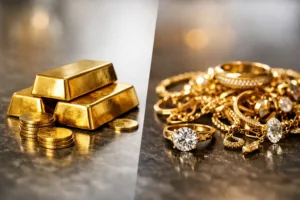
Why Do Two 22K Gold Jewellery Pieces of the Same Weight Look Different in Size?
When you compare two 22K gold jewellery pieces of the same weight, one can look broad and substantial while the other appears compact and dense….
We Buy Gold . Top Prices Paid .
7 Day Price Promise .
30 Day Returns
Free World Wide Shipping
Life Time Warranty
We Buy Gold . Top Prices Paid .
7 Day Price Promise .
30 Day Returns
Free World Wide Shipping
Life Time Warranty

+44 203 965 6669
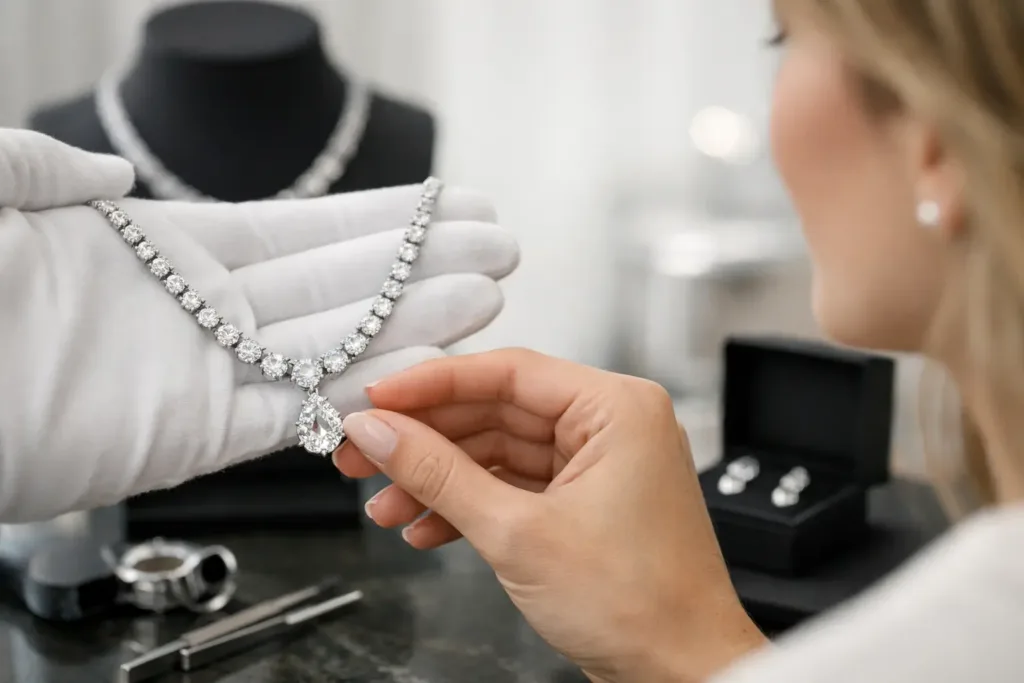
A diamond necklace can look deceptively simple online. One image shows a bright, elegant piece at a tempting price, while another appears similar yet costs far more. The difference usually comes down to details that matter once you know how to buy diamond necklaces properly – diamond quality, setting, metal, certification, workmanship and whether the piece suits how it will actually be worn.
For many buyers, this is not a casual purchase. It may be a milestone gift, a bridal piece, an anniversary present or a lasting addition to a fine jewellery collection. That is why the right approach is not to chase the biggest stone for the lowest price, but to balance beauty, quality and value with clear trust signals from the retailer.
The first step is understanding what you are paying for. In diamond necklaces, price is shaped by more than carat weight. Two pieces with the same total diamond weight can look very different in brilliance, balance and finish.
Natural diamonds generally command higher prices because of rarity. Lab-grown diamonds can offer a larger look for the budget and appeal to buyers who want modern value without compromising on visual impact. Neither option is automatically better. It depends on whether your priority is natural origin, size for budget, long-term perception of rarity, or a contemporary buying choice.
You should also look closely at how the diamonds are arranged. A single diamond pendant places all the visual emphasis on one stone, so cut quality becomes especially important. A tennis-style necklace spreads value across many stones, making matching, setting quality and overall consistency just as important as individual grading. Halo and cluster designs can create more presence for the price, but they achieve a different look from a classic solitaire.
Metal choice matters too. White gold offers a bright, contemporary finish and is often chosen to enhance the appearance of white diamonds. Yellow gold gives warmth and a more traditional luxury feel. Rose gold can feel softer and more fashion-led. Platinum is a premium option with excellent durability, though it will usually increase the price. If you are buying for frequent wear, think beyond appearance and consider maintenance, skin sensitivity and how the metal complements other jewellery already owned.
A diamond necklace should be judged as a complete piece, not just by one headline specification. If you are learning how to buy diamond necklaces for the first time, focus on the factors that directly affect appearance and confidence in the purchase.
For a single-stone pendant, ask about the diamond’s cut, clarity, colour and carat. Cut often has the biggest effect on sparkle. A well-cut diamond can appear more lively than a larger stone with weaker proportions. Clarity and colour should be assessed in context. In a necklace, especially one viewed at normal wearing distance, a slightly lower clarity grade may still look clean to the eye and offer better value.
Certification is one of the strongest trust markers for a high-value purchase. A certified diamond gives you independent confirmation of the stone’s characteristics. For buyers spending serious money, this is not an optional extra. It helps you compare fairly, understand what you are buying and feel secure about long-term value.
The setting does more than hold the diamond in place. It shapes the style, the security of the piece and how much light reaches the stone. Prong settings can maximise sparkle, while bezel settings provide a cleaner outline and often feel more secure for daily wear. On multi-stone necklaces, look for even spacing, consistent stone matching and neat finishing at the back as well as the front.
A premium necklace should feel refined in the hand. Weak clasps, rough edges or poor articulation between links can undermine the whole piece, however attractive it looks in a product photo. Fine workmanship is part of what separates a lasting jewellery purchase from one that disappoints after a few wears.
In the UK, hallmarking is an essential reassurance point for precious metal jewellery above the required weight thresholds. It confirms the metal’s purity and supports confidence in the item’s authenticity. Whether you choose 9K, 18K, 22K gold or platinum, make sure the metal quality is clearly stated and properly hallmarked where applicable.
Diamond necklaces are not one-category purchases. The right choice depends on who will wear it, how often and with what wardrobe.
A solitaire pendant remains the most versatile option. It suits everyday luxury, milestone gifting and bridal wear, and it layers well with other necklaces. If you want a safe and timeless choice, this is usually where to start.
A diamond line or tennis necklace makes more impact and tends to be chosen for formal wear, major anniversaries and statement dressing. It offers strong presence, but it is less casual and requires a larger budget. A cluster pendant or halo design can deliver a fuller appearance for less than a larger solitaire, which is useful if visual size matters more than minimalist styling.
For gifting, consider the recipient’s taste honestly. Someone who wears delicate chains every day may not want a bold neckline piece, however luxurious it is. Equally, a buyer trying to mark a major occasion may find a very small pendant too understated. The best diamond necklace is the one that fits the person’s style and the significance of the moment.
A sensible budget should leave room for quality, not just size. Many buyers start with carat weight, but that can be misleading. A slightly smaller diamond with stronger cut and better overall make often looks more expensive than a larger stone chosen purely for weight.
It is also worth deciding early where you are willing to compromise. If sparkle and presence matter most, you may choose a lab-grown diamond or a halo design to maximise look for budget. If natural origin and long-term rarity are your priority, you may accept a more modest carat weight in exchange for that preference. If the necklace is intended for daily wear, spending more on craftsmanship and setting security may be wiser than stretching every pound towards a larger stone.
Transparent pricing is important at every level. A reputable retailer should make it clear what is included, whether the diamond is certified, what metal you are buying, and what aftercare or warranty support is available. When pricing seems unusually low, there is usually a reason. It may be lower diamond grades, lighter gold weight, poor finishing or missing certification.
Buying online can offer excellent value and wider choice, especially if you already know the style and specifications you want. It works particularly well for experienced jewellery buyers or those comparing natural and lab-grown options at different budgets.
That said, support matters with a purchase like this. A retailer that offers expert guidance, clear imagery, certification details, secure delivery, returns and after-sales care gives you a much stronger buying position than one that simply lists products with minimal information. For bespoke or higher-value pieces, consultation can be especially useful. It allows you to tailor the necklace length, diamond size, setting style and metal finish to the wearer rather than settling for a generic option.
For overseas buyers and UK customers alike, practical reassurance is part of the luxury experience. Secure shipping, clear return terms, valuation support and a lifetime warranty can all make a meaningful difference when buying fine jewellery online. This is where a specialist retailer such as Hispek Diamonds can stand apart – not just through product range, but through certification, transparent service and confidence-led support.
One of the most common mistakes is focusing on total carat weight without checking how the necklace is made. Another is assuming all diamond pendants of similar appearance have comparable stones. They often do not. Buyers also sometimes overlook chain quality, yet a fine pendant attached to a weak or overly light chain will never feel truly premium.
It is also easy to buy for the occasion rather than the wearer. A dramatic necklace may look impressive in the box but spend most of its life unworn if it does not suit the recipient’s taste. Finally, do not ignore paperwork. Certification, hallmarking and clear sales terms are part of buying well, not admin details to skim past.
When you know how to buy diamond necklaces, the process becomes much less intimidating. You are not looking for the most expensive option or the biggest stone on the page. You are looking for a piece that feels beautiful, properly made and honestly represented – one that delivers confidence now and pleasure every time it is worn.
When you compare two 22K gold jewellery pieces of the same weight, one can look broad and substantial while the other appears compact and dense….
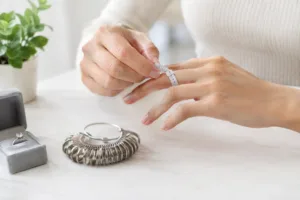
Ring size measurement made simple: learn how to measure at home, avoid common fit mistakes and choose a comfortable ring with confidence before buying.
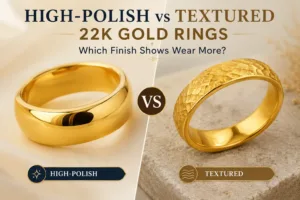
When comparing high-polish vs textured 22K gold rings, a high-polish surface will usually make fine scratches and scuffs easier to notice because those marks interrupt…

Use this gold portfolio allocation example to compare 5%, 10% and 15% holdings, choose suitable bullion and weigh risks before you buy with confidence.
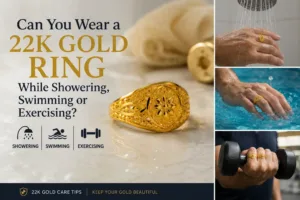
You can physically wear a 22K gold ring while showering, swimming or exercising, but removing it first is generally the safer care routine. Higher karat…

Gold investment explained for UK buyers: compare 24K bars, coins and jewellery, understand VAT, premiums, storage and the checks that protect your purchase.