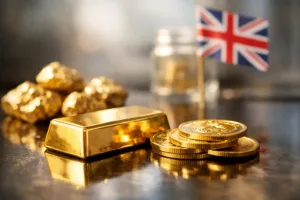
A Guide to 24K Gold Purity for UK Buyers
Our guide to 24k gold purity explains fineness, hallmarks, pricing, VAT and why investment gold differs from everyday jewellery for UK buyers clearly!
We Buy Gold . Top Prices Paid .
7 Day Price Promise .
30 Day Returns
Free World Wide Shipping
Life Time Warranty
We Buy Gold . Top Prices Paid .
7 Day Price Promise .
30 Day Returns
Free World Wide Shipping
Life Time Warranty

+44 203 965 6669

The moment you start shopping for a diamond, the price gap is hard to ignore. Two stones can look almost identical on paper and in the box, yet one costs significantly less than the other. That is why the question of lab grown diamonds vs natural diamonds matters so much. For engagement rings, milestone gifts and personal jewellery, the right choice is rarely about appearance alone. It is about value, meaning, budget, rarity and what feels right for the person wearing it.
At a premium level, both options can be exceptional. Both can be certified, both can deliver remarkable brilliance, and both can be set into timeless jewellery designed to last. The real difference lies in origin, price position and how buyers define long-term worth.
A natural diamond is formed underground over billions of years through intense heat and pressure. It is then mined, cut, polished and graded. A lab grown diamond is also a real diamond, but it is created in a controlled environment using advanced technology that replicates natural growing conditions.
That distinction matters because chemically, physically and optically, lab grown diamonds and natural diamonds are the same material. They are not simulants. They are not cubic zirconia. They are diamonds. The difference is their journey.
For many buyers, this is where the decision starts to sharpen. If you want the romance of something formed by nature over immense time, natural diamonds hold a unique appeal. If you want the look and composition of a diamond at a more accessible price point, lab grown diamonds can offer outstanding value.
In terms of visible beauty, there is no simple rule that one is better than the other. A well-cut lab grown diamond can be every bit as bright, fiery and elegant as a well-cut natural diamond. The same grading principles apply – cut, colour, clarity and carat weight still shape how a stone performs.
That is why certification is so important. Whether you choose natural or lab grown, you should be looking at independent grading and clear specifications rather than assumptions. A poorly cut natural diamond will not outperform a beautifully cut lab grown diamond simply because it came from the earth.
For most customers, especially when viewing polished stones in an engagement ring or pendant, the difference is not visible without specialist equipment. The buying decision usually rests less on what the eye can detect and more on what the buyer values.
Shoppers often focus first on carat or price, but cut has the strongest effect on sparkle. If your aim is maximum brilliance for your budget, the quality of the cut deserves close attention in either category.
A slightly smaller diamond with excellent cut can look more lively than a larger stone with weaker proportions. That applies equally in the lab grown and natural market.
This is where lab grown diamonds have changed the jewellery market most visibly. In many cases, a lab grown diamond costs substantially less than a natural diamond of comparable size and grade. That gives buyers more flexibility.
For the same budget, you may be able to choose a larger stone, a higher colour grade, a cleaner clarity or a more elaborate setting. For engagement ring shoppers, that can mean achieving a bold, premium look without stretching beyond comfort.
Natural diamonds sit at a higher price level because of their rarity, extraction costs and established market position. For some customers, that premium is justified by the stone’s natural origin and enduring prestige. For others, the practical advantage of lab grown is simply too strong to ignore.
Neither choice is automatically better. It depends on whether you place more weight on rarity or on maximising visual impact per pound spent.
This is the area where buyers need the clearest advice. Natural diamonds and lab grown diamonds do not behave the same way when it comes to rarity and perceived long-term value.
Natural diamonds are finite in origin and have historically carried stronger resale recognition, although no diamond should be bought purely as a financial investment in the way bullion might be. Their value is influenced by market demand, certification, stone quality and overall desirability.
Lab grown diamonds are more affordable at purchase, but they are not rare in the same sense. As production expands and manufacturing improves, prices in the wider market have continued to shift. That means lab grown stones are typically chosen for wear, design freedom and price efficiency rather than resale potential.
For a customer buying an engagement ring, that may not matter at all. Many people never intend to sell their ring. They want a beautiful, certified diamond that suits their budget and values today. But if rarity and heirloom significance are central to your decision, natural diamonds often feel more aligned with that goal.
Ethical considerations matter to modern buyers, and rightly so. Lab grown diamonds are often chosen by customers who want a lower-impact alternative to mined stones, particularly where supply chain concerns influence the decision.
That said, the conversation is more nuanced than simple good versus bad. Not all natural diamonds are sourced in the same way. Certified, responsibly sourced natural diamonds from trusted jewellers can offer strong reassurance around provenance and standards. Equally, lab grown production still requires energy and industrial resources, so it is not impact-free.
The better question is whether your retailer provides transparency. Clear certification, sourcing information and a straightforward explanation of what you are buying matter far more than vague claims. Confidence comes from traceability and honest guidance, not marketing shortcuts.
Jewellery is never only a technical purchase. An engagement ring, wedding gift or anniversary piece carries emotional weight, and that changes how people define value.
Natural diamonds often appeal to buyers who want tradition, rarity and the symbolism of something formed over billions of years. There is a sense of permanence and uniqueness that many couples still find deeply meaningful.
Lab grown diamonds appeal to buyers who see modern innovation, smart budgeting and conscious choice as equally meaningful. For some, selecting a larger or finer-looking diamond without compromise elsewhere in life feels like the more sensible and honest decision.
This is why there is no universal winner in lab grown diamonds vs natural diamonds. The better diamond is the one that fits the story, priorities and budget behind the purchase.
If you are shopping for a proposal ring and want maximum size or specification for your budget, lab grown diamonds can be a compelling option. They are especially attractive for buyers who prioritise visual impact, contemporary values and affordability.
If you are buying with a strong preference for rarity, traditional prestige and long-established market desirability, natural diamonds often remain the preferred choice. They also suit customers who want the classic narrative associated with a mined diamond.
Gift buyers may approach the question differently again. For a significant birthday, push present or anniversary gift, some customers focus purely on beauty and design. Others place greater importance on natural origin because it enhances the perceived significance of the piece.
At Hispek Diamonds, this is why expert guidance matters. The best decision is rarely made by comparing labels alone. It comes from matching stone quality, certification, setting style and budget to the reason you are buying.
Before committing, ask a few practical questions. Are you aiming for the biggest possible look within a set budget, or are you happy to pay more for natural rarity? Is certification clear and reputable? Do you care more about origin, price efficiency or future sentiment? Will the piece be worn daily, passed down, or chosen simply for immediate beauty?
You should also think about the setting and overall design. A premium ring is not defined by the centre stone alone. Craftsmanship, metal choice, proportion and finish all affect how luxurious the final piece feels. Sometimes a slightly smaller diamond in an exceptional setting creates the stronger result.
The most confident purchases happen when expectations are realistic. Lab grown diamonds can deliver excellent beauty and value. Natural diamonds can deliver rarity and traditional prestige. Both can be outstanding when chosen well.
If you are deciding between the two, avoid treating it as a debate with one correct answer. Think of it as a question of priorities. When the diamond fits your budget, your standards and the meaning of the occasion, it becomes the right choice for you – and that is what lasts.
Our guide to 24k gold purity explains fineness, hallmarks, pricing, VAT and why investment gold differs from everyday jewellery for UK buyers clearly!
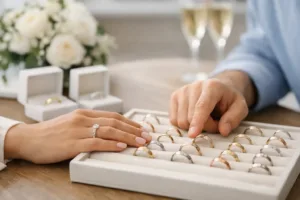
Learn how to choose wedding bands for lasting comfort, style and value, from metal and fit to diamonds, matching designs and trusted hallmarks in Britain.
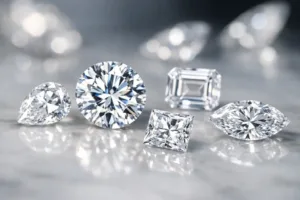
Learn which diamond shapes give the brightest fire and brilliance, and how cut quality, proportions and setting affect visible sparkle in every light.
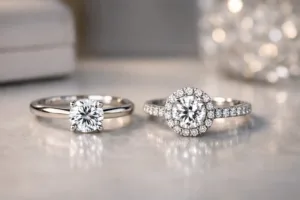
Compare solitaire vs halo engagement rings by sparkle, budget, protection and everyday wear, so you can choose a certified diamond ring with confidence.
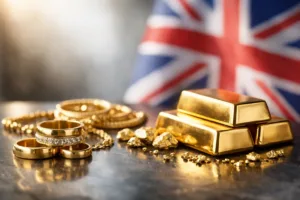
Our guide to gold purity levels explains carats, hallmarks and value, helping you choose jewellery or investment gold with complete confidence in the UK.
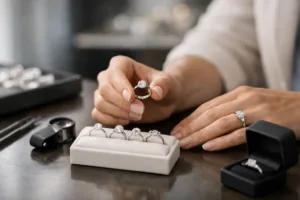
Choose diamond rings with confidence. Compare natural and lab-grown diamonds, cuts, settings, certification and metals for a ring made to last for years.