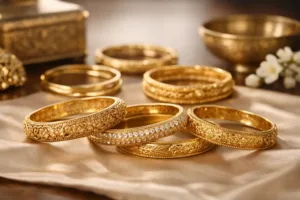
Best Asian Gold Bangles: A Buyer’s Guide
Find the best Asian gold bangles for everyday wear, weddings and gifts. Compare 22K purity, designs, fit, hallmarking and lasting value with confidence.
We Buy Gold . Top Prices Paid .
7 Day Price Promise .
30 Day Returns
Free World Wide Shipping
Life Time Warranty
We Buy Gold . Top Prices Paid .
7 Day Price Promise .
30 Day Returns
Free World Wide Shipping
Life Time Warranty

+44 203 965 6669
A ring can look completely different on the hand from the image that first caught your eye. When comparing solitaire vs halo engagement rings, the decision is not simply between classic and glamorous. It affects how large the centre diamond appears, how the ring sits beside a wedding band, how it wears over time and where your budget delivers the most impact.
For many couples, a solitaire is the clear expression of a single exceptional diamond. For others, a halo offers the brighter, more detailed look they want while creating impressive finger coverage. Both can be timeless, both can be made with natural or lab-grown diamonds, and both deserve careful attention to craftsmanship, certification and setting quality.
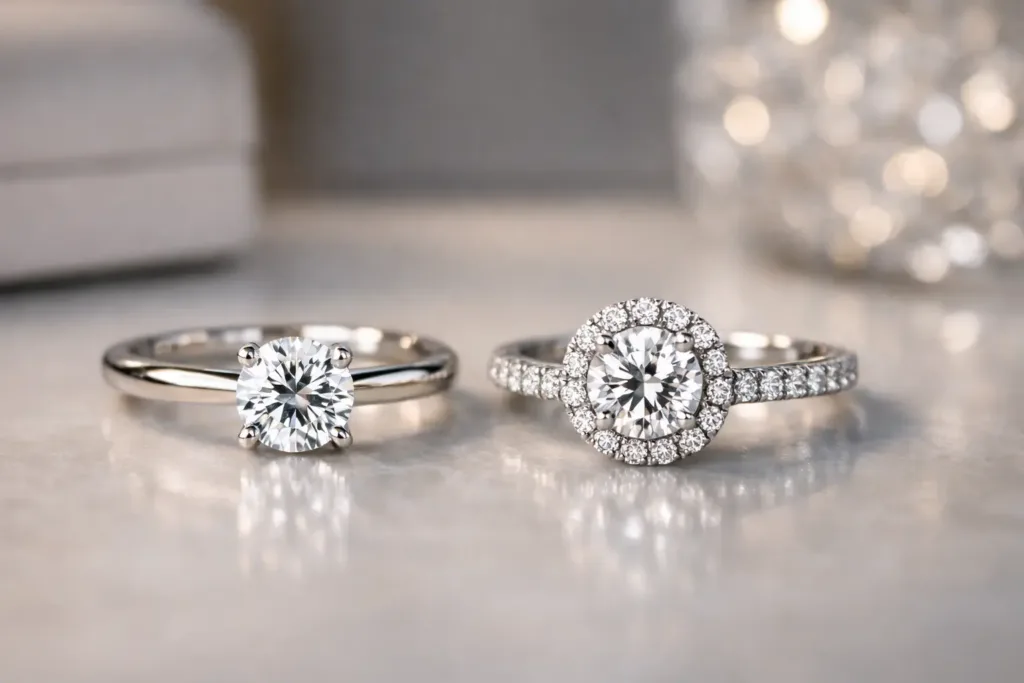
A solitaire engagement ring features one centre diamond as the focal point. It may be held in a traditional four- or six-claw setting, or in a bezel that surrounds the diamond with a smooth rim of precious metal. With no surrounding stones competing for attention, the centre diamond’s cut, clarity and shape are easy to appreciate. The result is clean, refined and enduring.
A halo ring places a border of smaller diamonds around the centre stone. This can be a delicate single halo, a more pronounced double halo, or a shaped surround designed to complement an oval, pear, cushion or emerald-cut diamond. The halo reflects light from multiple angles, giving the ring a high-sparkle finish and making the centre stone appear larger at first glance.
Neither style is inherently better. A round brilliant solitaire often feels crisp and effortlessly elegant, especially in platinum or white gold. An oval diamond with a fine halo can look more dramatic and can create a longer, flattering outline on the finger. The best choice is the one that matches the wearer’s personal style rather than a passing trend.
The appeal of a solitaire is its confidence. It does not rely on extra detail to make an impression, which is why it has remained a leading choice for generations. A well-cut centre diamond has room to shine, with light entering and leaving the stone without visual distraction from a diamond surround.
Solitaire settings are also highly versatile. A simple round diamond on a yellow gold band can feel warm and traditional, while an oval or emerald-cut stone in platinum has a more contemporary, tailored character. The same centre diamond can be transformed by the band width, setting height and choice of metal.
This style is particularly well suited to someone who values minimal jewellery, wears a ring every day or wants their wedding band to sit neatly alongside the engagement ring. A low-profile solitaire or a carefully designed setting can be practical for busy hands, although every setting should still be checked for secure claws and appropriate clearance.
A solitaire also puts greater emphasis on the quality of the centre stone. Because there are no surrounding diamonds to add visual interest, prioritising excellent cut is usually the most effective decision. Colour, clarity and carat weight should then be balanced according to your budget and the diamond shape you prefer. Independent certification gives valuable reassurance that you understand exactly what you are buying.
Halo engagement rings are designed to be noticed. The smaller diamonds surrounding the centre stone create a luminous frame, often making a modest centre diamond look noticeably larger than its carat weight suggests. This makes halo designs a strong option for shoppers seeking a bold look without allocating the entire budget to one larger diamond.
A halo can also add character to diamond shapes with softer outlines. Oval, cushion and pear-shaped centre stones are particularly striking with a closely fitted diamond border. For a more vintage-inspired feel, consider a milgrain edge, a cushion-shaped halo around a round diamond, or pavé diamonds flowing down the shoulders of the band.
However, more diamonds mean more detail to inspect. The small stones should be evenly matched in colour and brilliance, securely set, and arranged with precision so the halo looks balanced rather than uneven. Fine craftsmanship matters greatly here: gaps, poorly aligned stones or bulky claws can reduce the refined finish that makes a premium halo ring special.
Halo rings can be ideal for someone whose existing jewellery is detailed, sparkling or fashion-led. They also suit buyers who want immediate visual scale. Yet a larger-looking ring is not always the same as a larger centre diamond, so it is worth considering what matters most to you: centre-stone carat weight, overall spread across the finger, or the amount of sparkle.
The most useful way to compare these styles is to look beyond the headline price. In a solitaire, much of the budget is concentrated in the centre diamond. If two rings have the same total budget, a solitaire may allow for a larger or higher-quality centre stone, depending on the metal and setting selected.
With a halo, part of the cost is allocated to the surrounding diamonds and the additional setting work. This can create greater visual size, even where the centre stone is smaller. It is an intelligent choice when finger coverage and sparkle are priorities, but it does not necessarily represent a lower-cost route in every design. A double halo, pavé shoulders, intricate metalwork and premium matching diamonds can make a halo ring more expensive than a straightforward solitaire.
Natural and lab-grown diamonds provide another meaningful choice. Both can offer exceptional beauty, and both should be selected with reliable grading information. Lab-grown diamonds may enable a larger or higher-specification centre stone within the same budget, while natural diamonds hold strong appeal for buyers who value their geological rarity. The setting style works beautifully with either option.
An engagement ring is intended for daily life, not only special occasions. Solitaires are generally simpler to clean because there are fewer small spaces where hand cream, soap and everyday residue can collect. A professional clean and periodic claw check will help keep the centre diamond bright and secure.
Halo rings need a little more attention. Their small diamonds can gather residue around the setting, and each stone should be checked as part of regular maintenance. This is not a reason to avoid a halo, but it is a practical consideration for anyone who works with their hands, visits the gym often or prefers minimal upkeep.
The wedding band deserves attention before you commit. Many solitaires pair easily with straight bands, particularly if the centre setting is raised enough to allow the band to sit flush. Halo settings can sometimes require a shaped, notched or curved wedding band, depending on the profile of the diamond surround. Trying the rings together, or discussing a made-to-measure set, avoids an unwelcome gap later.
Metal choice also influences wear. Platinum is naturally white, substantial and well suited to secure diamond settings. White gold offers a similarly bright appearance and may require occasional rhodium plating to maintain its fresh white finish. Yellow gold provides a classic contrast against a white diamond, while rose gold gives a softer, romantic tone. Whichever metal you choose, UK hallmarking provides important assurance of precious-metal quality.
Start with the wearer, not the trend. A person who wears understated gold hoops and simple tailoring may love the lasting clarity of a solitaire. Someone drawn to statement jewellery, vintage details or plenty of brilliance may feel that a halo ring reflects them more accurately.
Then view the design in proportion. The same carat weight can look very different depending on diamond shape, finger size, band width and halo dimensions. An elongated oval or pear can create generous length on the finger, while a round brilliant offers classic symmetry and exceptional sparkle. Photographs are helpful, but seeing comparable designs in person or through a detailed consultation gives a truer sense of scale.
Finally, protect the purchase with the details that matter. Ask for diamond certification, clear information on the diamond’s origin and specifications, secure delivery, a fair returns process and aftercare support for sizing, cleaning and repairs. A bespoke design can be especially valuable if you love elements of both styles, such as a solitaire centre stone with subtle hidden halo detail beneath it.
A well-chosen engagement ring should feel as right in ten years as it does on the day it is given. Whether that means the quiet confidence of a solitaire or the light-catching presence of a halo, choose the design that makes the wearer look down at their hand and recognise it as unmistakably theirs.
Find the best Asian gold bangles for everyday wear, weddings and gifts. Compare 22K purity, designs, fit, hallmarking and lasting value with confidence.
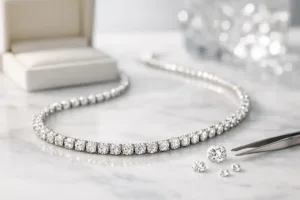
Our diamond tennis necklace guide explains carat weight, diamond quality, length and setting, helping you choose a certified necklace with confidence.
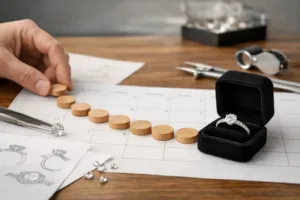
A custom engagement ring timeline example, from consultation and design approval to diamond sourcing, craftsmanship, hallmarking and delivery in the UK.
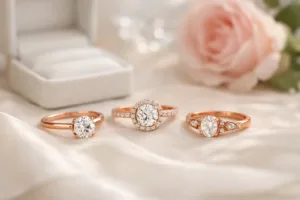
Choose rose gold engagement rings with confidence. Compare alloys, diamond colours, settings and care for a timeless, certified ring made for daily wear.

Find the best gold gifts for her, from timeless earrings to 22K gold and diamond designs, with practical advice on purity, style and lasting value daily.

Learn how to store gold bars securely at home or in a vault, with practical advice on insurance, documentation, privacy and protecting resale value safely.