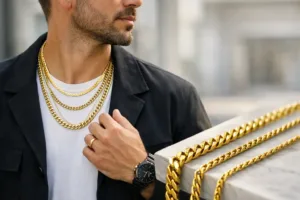
Best Mens Gold Chains for Everyday Style
Find the best mens gold chains for your style, from curb and rope designs to the right gold carat, length and weight for lasting value and wear daily.
We Buy Gold . Top Prices Paid .
7 Day Price Promise .
30 Day Returns
Free World Wide Shipping
Life Time Warranty
We Buy Gold . Top Prices Paid .
7 Day Price Promise .
30 Day Returns
Free World Wide Shipping
Life Time Warranty

+44 203 965 6669
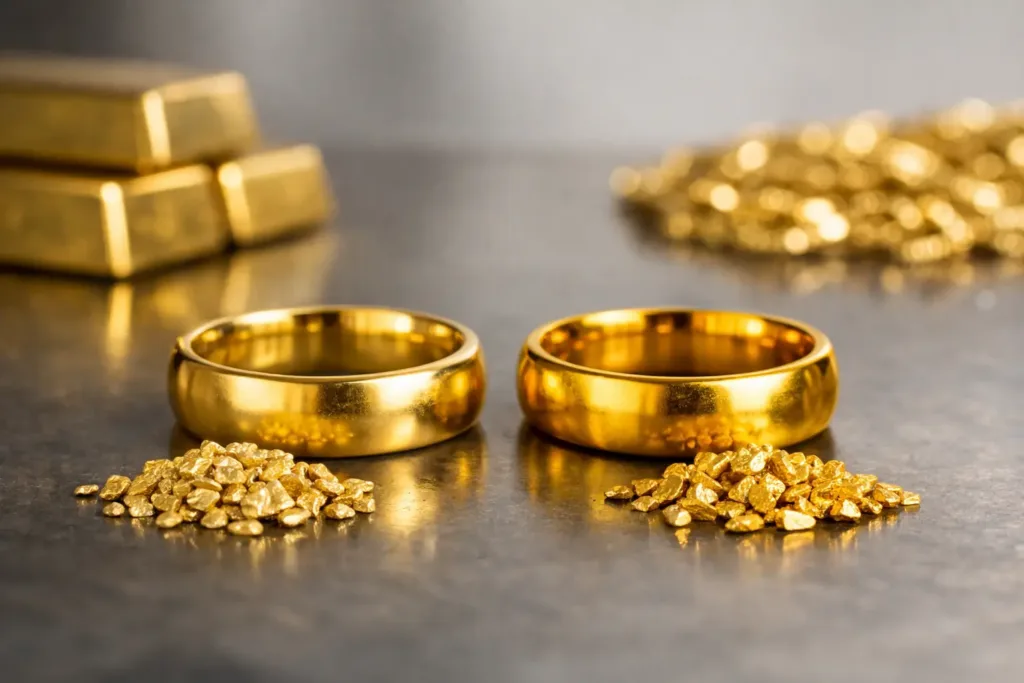
A gold ring can look perfect in the box and feel completely wrong after a few months of wear. That is usually not a design issue – it is a purity issue. When customers compare 18k vs 22k gold, they are really deciding how they want a piece to look, wear, and hold its value over time.
For some buyers, 22k gold delivers the rich yellow tone they associate with premium traditional jewellery. For others, 18k gold offers the better balance of beauty, strength and practicality, especially for rings worn every day. The right choice depends on what you are buying, how often you will wear it, and what matters most to you: colour, durability, prestige, or long-term versatility.
The simplest difference is purity. 18k gold is 75% pure gold, with the remaining 25% made up of other metals such as silver, copper, zinc or palladium. 22k gold is 91.6% pure gold, with only 8.4% alloy metals.
That higher gold content gives 22k its deeper, warmer yellow colour and a more traditional luxury feel. It also makes it softer. 18k contains more alloy, so it is harder and generally better suited to jewellery that needs to cope with daily wear.
This is why the comparison is not just about which is “better”. It is about suitability. A heavy bangle, wedding set, chain or statement necklace may suit one purity far better than another.
18k gold is often the most balanced option in fine jewellery. It contains a substantial amount of pure gold, so it still feels premium, but the added alloys improve strength and resistance to scratching, bending and wear.
That makes it a strong choice for engagement rings, wedding bands, diamond jewellery and pieces with claws or detailed settings. If a ring is holding valuable stones, especially diamonds, durability matters. A stronger alloy can help the setting remain more secure over years of regular use.
It also gives buyers more flexibility in colour. Yellow 18k gold has a refined warmth without the intense richness of 22k, while white and rose gold are widely available in 18k because the alloy mix supports those finishes more effectively.
From a style perspective, 18k appeals to customers who want luxury they can wear every day rather than save for special occasions. It is practical without feeling entry level.
22k gold sits much closer to pure gold, and that shows immediately in its appearance. The colour is richer, fuller and more saturated, which is exactly why many buyers prefer it for traditional jewellery, wedding pieces, Asian jewellery and heirloom gifts.
There is also a strong emotional pull with 22k. In many cultures, high-purity gold is not just decorative. It represents celebration, security, family value and lasting wealth. The purity itself carries significance, especially for bridal jewellery, milestone gifting and ceremonial purchases.
Because 22k contains more pure gold, it is often seen as the more prestigious option. It can also appeal to buyers who are conscious of gold content and resale perception. A 22k piece has a higher intrinsic gold value than an 18k piece of the same weight, although retail pricing is influenced by much more than purity alone.
That said, softness is the trade-off. 22k jewellery can mark, bend or wear more easily, particularly in rings or pieces exposed to knocks.
If you are buying a ring for everyday wear, 18k usually makes more sense. Rings come into contact with hard surfaces constantly – door handles, worktops, gym equipment, bags, desks. Over time, softer gold shows this more quickly.
22k gold is not fragile, but it is less resistant to daily impact. Fine details may soften sooner, and settings are generally less ideal for intricate diamond work. That is why 18k is commonly chosen for engagement rings and stone-set wedding jewellery.
For earrings, pendants and occasional-wear pieces, the gap matters less. These items typically face less physical stress, so 22k becomes a more realistic choice if your priority is colour and purity.
Chains and bangles sit somewhere in the middle. A well-made 22k chain or bangle can be an excellent purchase, especially if you prefer a traditional look, but design and craftsmanship matter greatly. Weight, link style and intended wear all affect longevity.
This is often where buyers make their decision instinctively. 22k gold has the unmistakable rich yellow tone many people associate with classic high-value gold jewellery. It looks opulent, traditional and immediately recognisable.
18k yellow gold is still luxurious, but the tone is slightly softer and less intense because of the lower pure gold content. Some customers prefer this, especially if they want a more understated finish or jewellery that pairs easily with diamonds and modern settings.
If you are choosing for bridal wear, gifting or cultural occasions, 22k may feel more authentic to your preferences. If you want a contemporary engagement ring, stackable band or versatile piece for daily styling, 18k often looks more refined in that context.
Neither is superior in appearance. It comes down to the look you want on the skin and the role the jewellery plays in your wardrobe or occasion.
22k gold usually costs more than 18k gold because it contains more pure gold. If two pieces weigh the same and have similar workmanship, the 22k version will generally be priced higher.
However, jewellery pricing is never based on gold content alone. Design complexity, brand positioning, stone quality, finishing, hallmarking and manufacturing all contribute to the final price. A highly detailed 18k diamond ring can cost more than a simpler 22k gold bangle.
In value terms, there are two different questions to ask. The first is intrinsic material value, where 22k has the advantage because of its higher purity. The second is wearable value – how well the piece performs for the way you actually live. In that sense, 18k can be the better investment for someone who wants to wear their jewellery frequently and keep it looking its best.
For buyers in the UK, it is also worth checking hallmarking and buying from a trusted jeweller that offers clear purity information, transparent pricing and proper aftercare support. Confidence matters when purchasing precious metals.
For most diamond and gemstone jewellery, 18k is the stronger choice. The added alloy content gives the metal more structural support, which is useful in claws, bezels and detailed settings.
This is one reason premium engagement rings are so often made in 18k gold or platinum rather than 22k. Security and long-term wear take priority. A beautiful setting should not only look impressive on day one – it should continue to protect the stone properly.
22k gold can still be used in gemstone jewellery, but it is typically better suited to simpler designs or occasional-wear pieces where softness is less of a concern. If your piece includes a high-value centre stone and will be worn daily, 18k is usually the safer and more practical route.
18k gold is ideal for buyers who want fine jewellery that fits into daily life. If you are choosing an engagement ring, wedding band, diamond pendant or a modern luxury piece you plan to wear often, 18k offers excellent balance.
It is also a smart choice if you value a premium finish but do not want to compromise too much on strength. For customers comparing appearance, practicality and long-term maintenance, 18k often delivers the most confidence.
22k gold is a strong option for buyers who prioritise purity, richer colour and traditional appeal. It suits wedding jewellery, cultural pieces, gifting and heirloom purchases particularly well.
If your preference is for unmistakably rich yellow gold, or you are buying jewellery where high purity carries personal or cultural meaning, 22k may feel like the right fit from the start. It can also appeal to those who want jewellery with a closer connection to gold’s intrinsic value.
What matters is matching the purity to the purpose. A 22k necklace for celebrations is one thing. A 22k ring worn through every errand, commute and workout is another.
Instead of asking which gold is best overall, ask which gold is best for this piece. A bridal set, a daily chain, a pair of occasion bangles and a gemstone ring all place different demands on the metal.
That is why expert guidance matters. A trustworthy jeweller should explain purity clearly, show you the visual difference, confirm hallmarking, and help you weigh beauty against wearability. At Hispek Diamonds, that balance between premium finish and practical confidence is central to helping customers choose well.
If you want jewellery that suits your life as well as your taste, the right gold is the one you will still be happy to wear years from now.
Find the best mens gold chains for your style, from curb and rope designs to the right gold carat, length and weight for lasting value and wear daily.
Our guide to 24k gold purity explains fineness, hallmarks, pricing, VAT and why investment gold differs from everyday jewellery for UK buyers clearly!
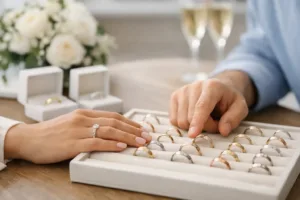
Learn how to choose wedding bands for lasting comfort, style and value, from metal and fit to diamonds, matching designs and trusted hallmarks in Britain.
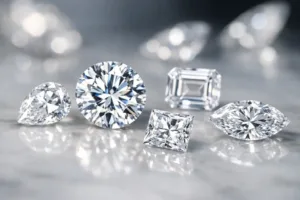
Learn which diamond shapes give the brightest fire and brilliance, and how cut quality, proportions and setting affect visible sparkle in every light.
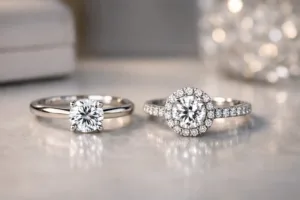
Compare solitaire vs halo engagement rings by sparkle, budget, protection and everyday wear, so you can choose a certified diamond ring with confidence.
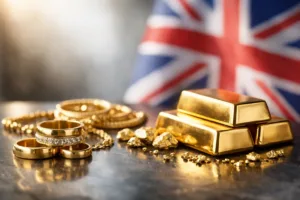
Our guide to gold purity levels explains carats, hallmarks and value, helping you choose jewellery or investment gold with complete confidence in the UK.