

Rose Gold Engagement Rings for UK Buyers: Style, Durability and Everyday Wear
Rose gold engagement rings have become a truly loved choice for couples across the UK. The warm, pinkish tone of rose gold makes every ring…
We Buy Gold . Top Prices Paid .
7 Day Price Promise .
30 Day Returns
Free World Wide Shipping
Life Time Warranty
We Buy Gold . Top Prices Paid .
7 Day Price Promise .
30 Day Returns
Free World Wide Shipping
Life Time Warranty

+44 203 965 6669
When inflation is stubborn, markets feel unsettled and cash loses purchasing power quietly, many buyers come back to the same question: is 24k gold a good investment? The short answer is yes for the right purpose, but not in every form and not for every investor. Pure gold can preserve wealth, add stability to a portfolio and offer reassurance in uncertain periods, yet it also comes with trade-offs around income, timing and liquidity.
For long-term wealth preservation, 24k gold can be a strong choice. It is the purest standard of gold used for investment, typically refined to 99.9% or 99.99% purity, and it is valued globally. That matters because investment assets work best when they are widely recognised, easy to verify and simple to resell.
Gold has held its appeal for centuries for one straightforward reason: it is scarce, durable and not tied to the performance of one company, one bank or one government. Shares can fall because earnings disappoint. Property can be affected by interest rates, regulation or local demand. Pure gold tends to behave differently, which is why many investors buy it as a hedge rather than as a growth engine.
That distinction is important. If you are hoping for fast gains, 24k gold may disappoint you. It does not generate dividends, rental income or interest. Its value depends on the price someone else will pay for it in future. But if your goal is to protect part of your wealth against inflation, currency weakness or broader economic shocks, 24k gold has a much clearer role.
Not all gold purchases serve the same purpose. A 24k gold bar and a 9k or 18k gold chain are both made from gold, but they are bought for very different reasons. Jewellery includes design, craftsmanship, branding and wearability. Investment bullion is priced much more closely to the live gold market and is purchased primarily for metal value.
That is why purity matters. With 24k bullion, you are buying gold in its highest practical purity for investment. There is less dilution from alloy metals, and the valuation is more transparent. For buyers who want direct exposure to the gold price, this makes 24k bars or coins far more suitable than jewellery.
In the UK, many experienced buyers focus on LBMA-approved gold bars or widely recognised bullion products because credibility and resale confidence matter. Certification, accurate weight, secure packaging and a trusted retailer all help support future liquidity.
Gold often attracts attention when confidence elsewhere weakens. That does not mean it rises every time markets fall, but it has a long-standing reputation as a defensive asset. When inflation persists or geopolitical tension increases, investors often look for assets outside the banking system and outside the stock market. Pure gold benefits from that demand.
Another advantage is simplicity. A physical 24k gold bar is a tangible asset with no credit risk attached to it. It does not depend on a company board, a tenant, or a lender staying solvent. For some buyers, that sense of control is part of the appeal. They know exactly what they own.
There is also a practical point for UK investors to consider. Investment-grade gold bullion can be VAT-free when it meets the required standards, which improves overall efficiency compared with many other physical assets. That does not guarantee profit, but it does make bullion structurally attractive for serious buyers who want clean exposure to the metal itself.
A balanced answer to is 24k gold a good investment has to include the limitations. Gold is not a perfect asset, and it should not be treated as one.
First, gold can be volatile over shorter periods. Many people think of it as stable, but that only tells part of the story. It may hold value well over long stretches, yet its price can still move sharply in the short term. If you buy at a local peak and need to sell quickly, your return may be disappointing.
Second, physical gold has carrying costs. Secure storage matters. Insurance may matter too, depending on how much you hold. Those costs need to be factored into your real return.
Third, bullion usually involves a premium over the spot price when you buy, and there may be a spread when you sell. Smaller bars are often easier to access, but they can carry higher premiums per gram than larger bars. That means product choice affects value.
Finally, gold does not produce income. For investors building wealth through compounding, that can be a meaningful drawback. A diversified portfolio of shares may outperform gold over long periods, particularly when markets are strong and inflation is contained.
This is where many buyers need clarity. If your objective is investment, 24k bullion is usually the better route than gold jewellery. Jewellery can absolutely hold value, especially high-purity pieces, but it is not priced like bullion. Retail mark-ups, workmanship, design trends and resale channels all affect what you may recover.
Bullion is far more straightforward. The weight, purity and market linkage are clear from the outset. You are paying for the gold, not primarily for style or craftsmanship. For that reason, buyers who want financial exposure tend to choose bars or investment coins, while buyers who want wearable value may prefer jewellery.
There is room for both, but they should not be confused. A premium gold necklace may be a beautiful store of value, yet it is still a luxury purchase first. A 24k investment bar is a financial asset first.
24k gold suits buyers who want to diversify beyond cash and equities, preserve capital over time, or hold part of their wealth in a tangible asset. It can also appeal to cautious investors who prefer assets they can physically own rather than purely digital holdings.
It may be especially suitable if you already have exposure to shares, pensions or property and want balance. In that context, gold is often used as a stabiliser rather than a centrepiece.
It may be less suitable if you need regular income, have a short investment horizon, or are buying with money you may need back quickly. Gold works best when it is bought with patience and a clear role in your wider financial picture.
The quality of the purchase matters almost as much as the asset itself. A good investment can become a poor buying decision if the product is overpriced or difficult to verify later.
Start with purity and provenance. Look for 24k gold bullion from recognised refiners and make sure weight and purity are clearly stated. In many cases, buyers prefer LBMA-approved products because they are widely recognised in the market.
Next, pay attention to premiums. The live gold price is only part of the cost. Dealer premium, packaging, delivery and payment method can all affect your entry point. Transparent pricing is a strong sign that you are buying from a credible source.
You should also think about resale before you buy. Well-known products from trusted sellers are generally easier to liquidate. If a product is obscure, unsealed or poorly documented, selling it later may be less straightforward.
Finally, security is part of the investment decision. Whether you store at home or use specialist storage, your arrangement should match the value of what you hold. Peace of mind has real value when you are buying physical gold.
Yes, if you understand what it is for. 24k gold is not the asset most people buy for income or aggressive growth. It is the asset they buy for resilience, wealth preservation and portfolio balance. In that role, it can be highly effective.
For UK buyers who want direct exposure to the gold price, investment-grade 24k bullion remains one of the clearest and most trusted ways to own precious metals. The key is to buy with a long-term view, choose recognised bullion products and work with a retailer that offers transparent pricing, clear certification and dependable support. That is where confidence begins.
If you are weighing your options carefully, the smartest question is not simply whether gold will rise next month. It is whether owning a measured amount of pure gold would make your overall financial position stronger, steadier and easier to trust.
Rose gold engagement rings have become a truly loved choice for couples across the UK. The warm, pinkish tone of rose gold makes every ring…
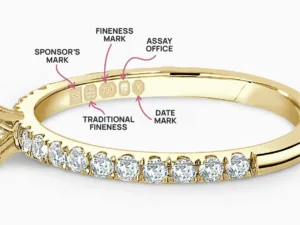
Gold jewellery holds a very special place in our hearts and homes. You wear it to weddings, family events, and every single day. Over time,…
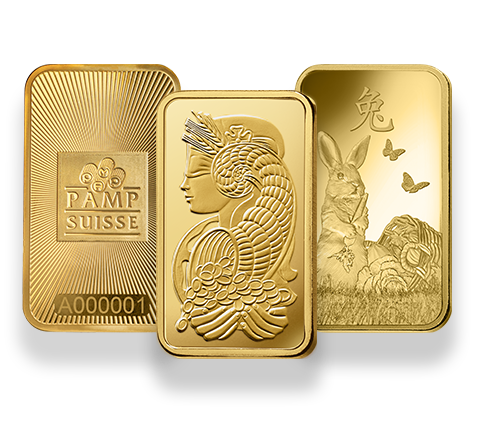
Gold has always been a smart and trusted way to grow your wealth over time. More and more people in the UK are now looking…

Picking an engagement ring is one of the biggest decisions you will ever make in life. You want something beautiful that also keeps its worth…

The engagement ring is not just a piece of jewellery to choose from. It is a sign of love, devotion, and the beginning of a…

Diamonds have been associated with luxury, love, and permanence. Nowadays, the jewellery market offers consumers two options: traditional mined diamonds and lab-grown diamonds, catering to…