

Ethical Diamonds and What to Ask Before You Buy
Ethical diamonds explained: understand sourcing, traceability, certification and lab-grown choices before choosing a ring you can wear with confidence.

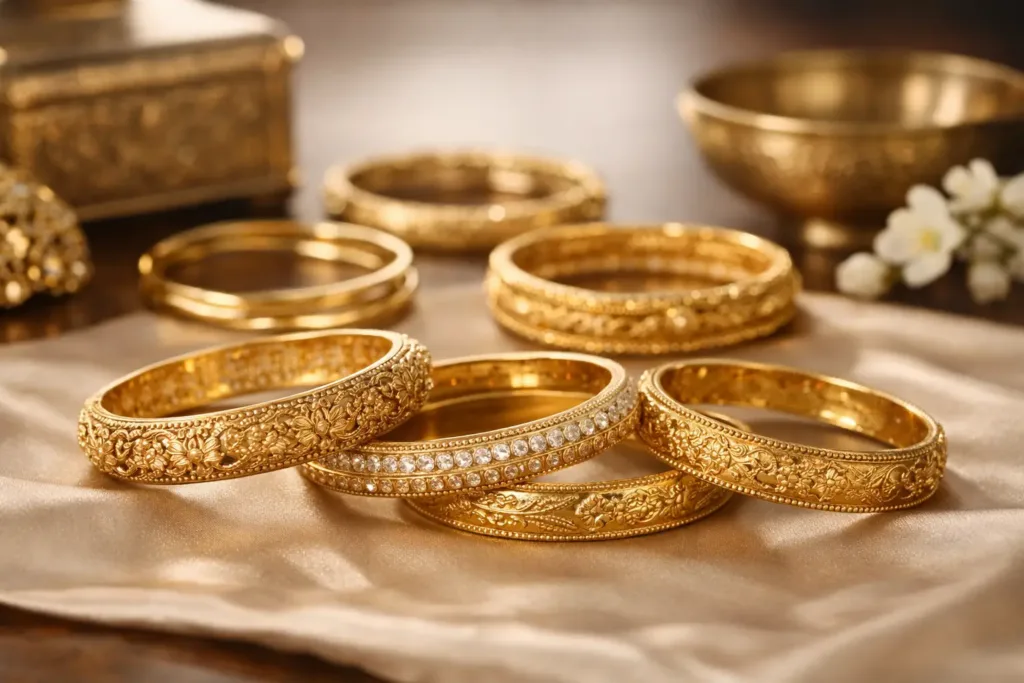
A comfortable 22K gold bracelet fit should allow natural wrist movement without sliding so far that the bracelet catches easily or turns constantly. At Hispek Diamonds, we look at your wrist measurement, the bracelet’s construction, the room required around the clasp and the amount of movement you enjoy. The best fit is personal, but it should never depend on forcing a bracelet over the hand or closing a clasp under strain.
Our 22K gold bracelets include different link, bead and decorative forms. Each structure uses length differently, so we recommend treating the stated bracelet length as a starting point rather than the only fit test.
Wrap a soft measuring tape around the wrist at the position where you plan to wear the bracelet. Keep the tape in contact with the skin without pulling it tight. If you do not have a soft tape, use a non-stretch ribbon, mark the overlap and measure the ribbon against a ruler.
Measure more than once and use the same posture each time. Wrist shape can change slightly when the hand flexes, and the prominent wrist bone affects where a bracelet naturally settles. If you plan to wear the piece above a watch or higher on the forearm, measure that exact position.
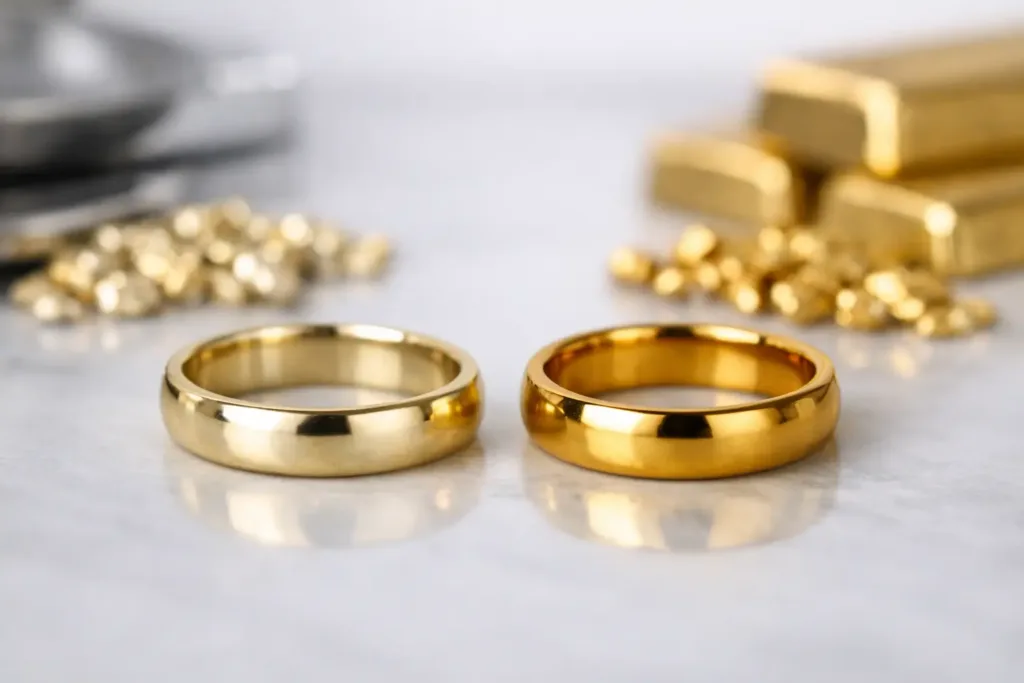
Ease is the difference between your wrist measurement and the inside wearing space of the bracelet. A small amount supports a close fit. More ease creates a relaxed drape. There is no single addition that works for every piece because broad links, rounded beads, rigid sections and hanging elements occupy space differently.
A bracelet with thick inward-facing components may feel smaller than a slim chain bracelet with the same measured length. A highly flexible chain follows the wrist closely, while a structured design holds its own curve. At Hispek Diamonds, we recommend comparing the inside fit, not only the end to end length.
You need enough space to operate the clasp without pulling the bracelet tight across the wrist. A clasp should meet its receiving ring naturally, and the closing mechanism should engage fully. If you must stretch the chain or press the clasp against the skin to close it, the fit is too tight or the fastening method needs help.
A very loose fit creates a different concern. Extra movement can let the clasp rotate under the wrist, strike hard surfaces or catch on clothing. We prefer controlled movement, with enough room for comfort but not so much that the fastening becomes the lowest swinging point during ordinary gestures.
After fastening the bracelet, slowly rotate the wrist, bend the hand forward and back, and make a relaxed fist. The bracelet should not pinch, leave sharp pressure points or restrict the hand. It should also remain far enough from the palm to avoid interfering with gripping objects.
Notice how far the bracelet travels toward the hand and up the forearm. A little movement is normal and often desirable. Repeatedly sliding over the hand, turning heavy decorative sections underneath or striking a desk suggests that you may prefer a closer fit. Comfort should remain consistent rather than depending on one fixed wrist position.
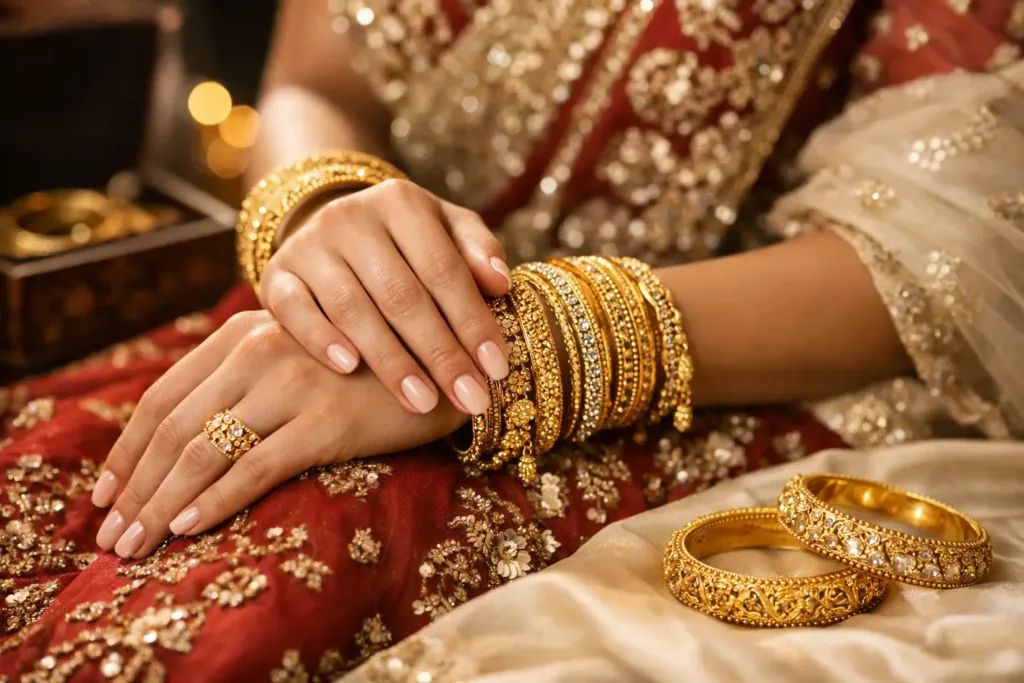
A flexible bracelet is usually sized around the wrist and secured with a clasp. A closed bangle must pass over the widest part of the hand, so hand circumference can matter more than wrist circumference. A hinged bangle opens around the wrist and therefore has different clearance needs.
Do not apply a flexible-chain measurement blindly to a rigid design. Look at the opening method, internal shape, and widest passage point. An oval internal shape may follow the wrist more closely than a round one. For product-specific sizing or possible adjustment, please contact us before ordering or altering the piece.
A central motif can help a bracelet stay visually oriented, but a heavier decorative section may rotate if the fit is very loose. Hanging details need enough clearance to move without catching. Beaded or textured components can also feel more substantial against the skin than smooth links.
If you stack bracelets, leave enough room for each piece to move without constant crossing and rubbing. Place compatible shapes together and avoid forcing a delicate chain between hard, raised edges. Your preferred stack may need a slightly different fit from the same bracelet worn alone.
A good initial fit does not replace routine checks. Look at the clasp, joining rings, hinges and high-contact links. If a bracelet suddenly hangs differently, turns more than usual or becomes difficult to close, stop wearing it until the cause is understood.
Our UK hallmarking information explains the marks used to identify precious-metal fineness. Hallmarking and fit answer different questions, so check both the metal information and the product dimensions. We can help you interpret the details of a particular design.
We aim for a fit that feels secure, allows full wrist movement and keeps the clasp free from strain. Measure carefully, account for the bracelet’s internal structure and test ordinary hand movements. Your comfort preference matters, but secure closure and controlled movement should remain non-negotiable.
Try the bracelet at different points in a normal day, because warmth and activity can change how your wrist feels. A fit that is comfortable in the morning should not become restrictive after ordinary movement. Also test the sleeve and cuff you expect to wear. A narrow cuff can push a loose bracelet towards the hand, while a textured cuff may catch an open link. We at Hispek Diamonds use these real wearing conditions to refine the choice.
Should I be able to fit a finger under my bracelet?
A finger test can be a useful personal check, but bracelet thickness and wrist shape change the result. We rely on measurement and movement together.
Why does a thick bracelet feel tighter at the same length?
Thick links or beads occupy more of the internal space, reducing the room available around your wrist.
Should a 22K gold bracelet move on my wrist?
Some movement is normal. We suggest enough movement for comfort without repeated catching, striking or sliding over the hand.
Can every bracelet be resized?
Resize options depend on construction and design. Please ask us about the exact piece before assuming that an alteration is possible.
Ethical diamonds explained: understand sourcing, traceability, certification and lab-grown choices before choosing a ring you can wear with confidence.

The security of 22K gold jewellery depends on more than the main chain, bracelet or bangle. Clasps close the piece, hinges control opening points, and…
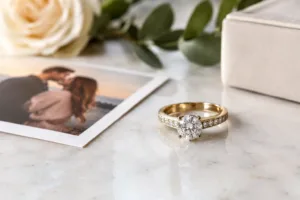
Learn how to choose anniversary rings with the right metal, diamond setting, fit and budget for a meaningful piece you will wear with confidence for years.

When you choose a 22K gold necklace and earring set, we recommend starting with the space created by your neckline. That space determines where the…
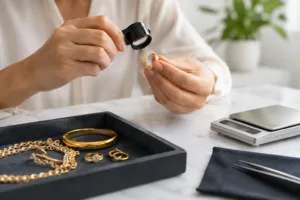
Learn how to value gold jewellery with confidence, from hallmarks and carats to weight, live gold prices, gemstones and professional valuations in the UK.
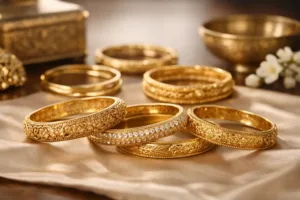
A comfortable 22K gold bracelet fit should allow natural wrist movement without sliding so far that the bracelet catches easily or turns constantly. At Hispek…