


A Bullion Dealer Comparison for UK Buyers
Use this bullion dealer comparison to assess pricing, product authenticity, delivery, storage and buy-back support before you invest in physical gold.

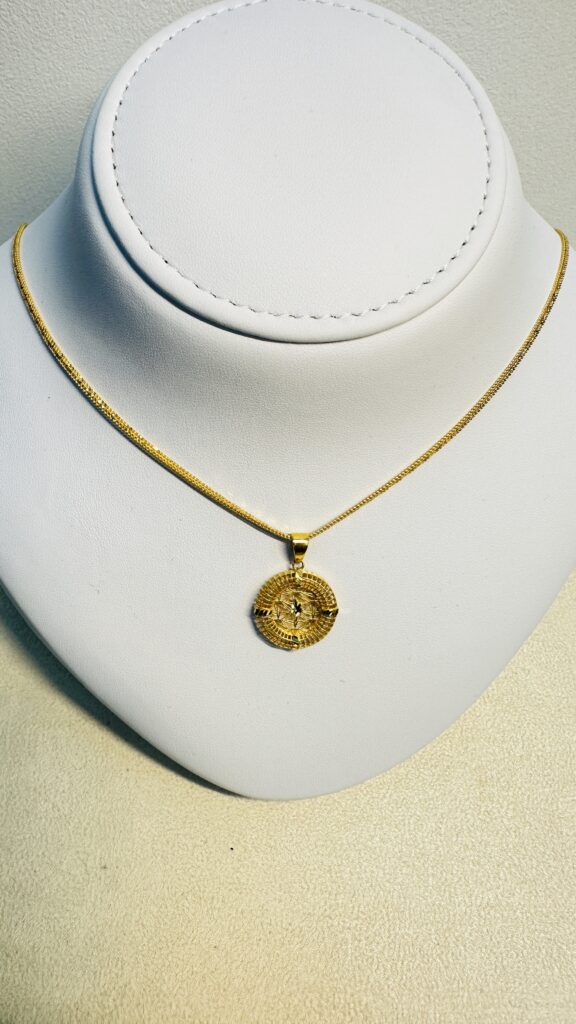
To layer 22K gold chains successfully, Hispek Diamonds plans the order before putting anything on. Different lengths create separation, compatible link structures reduce friction, and careful handling protects delicate connections. No layered arrangement can eliminate every tangle during movement, but a considered combination can make crossing, twisting and rubbing much less likely.
Our 22K gold chains include varied patterns and visual weights. We recommend starting with two chains, learning how each moves on your neckline, and adding another layer only when the first pairing remains comfortable and controlled.
Chains of almost identical length tend to occupy the same path. As you move, one can ride over the other, and the clasps can migrate towards the front together. Choose lengths that create distinct levels, taking account of your neck size and the drop of any pendant.
Test the arrangement over the clothing you intend to wear. A high or textured neckline can push chains into one another, while exposed skin may allow each chain to settle more naturally. The useful spacing is the spacing you can see after normal movement, not only when the chains are first arranged in a mirror.
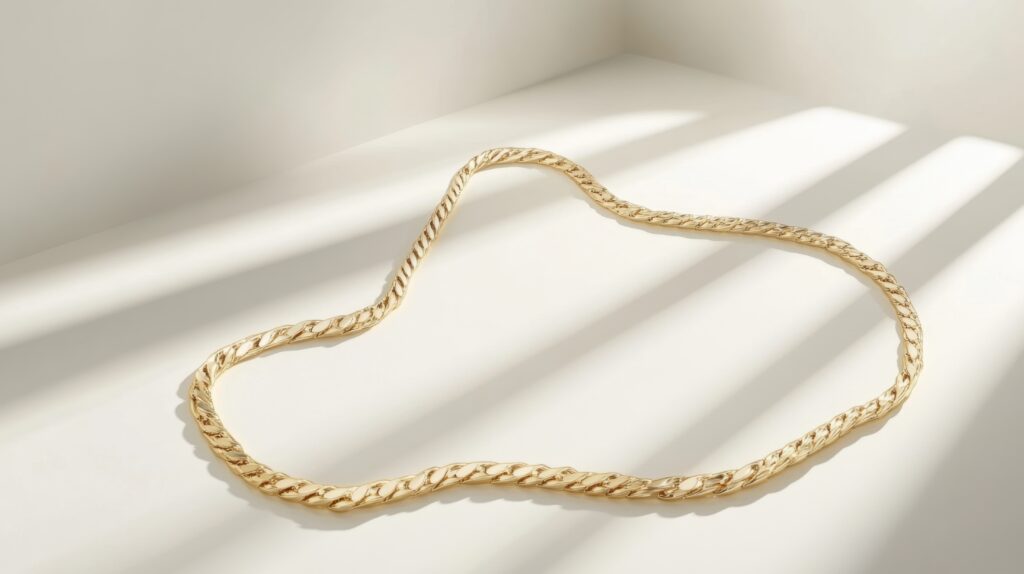
A fine chain usually works best higher on the neck, away from a heavier lower chain that could press or drag across it. A substantial chain or pendant can anchor the lowest layer, while lighter elements sit above. This is a practical starting point rather than a fixed rule, because link flexibility and pendant movement still affect the result.
Avoid hanging a heavy pendant from a chain that feels too delicate for it. If you add a pendant, check its bail clearance, end fittings and movement. Our Hispek Diamonds 22K gold pendants can be considered alongside the intended chain, but physical compatibility must be confirmed for the exact pairing.
Contrasting textures help each layer remain visually distinct. A smooth chain beside a more dimensional pattern can create depth without requiring many pieces. Yet raised, angular or sharply textured links can rub a fine neighbouring chain. Look at where the chains cross near the sides and back of the neck, not only at the centre front.
Chains with a defined flat face may flip when layered against rounded links. Highly flexible chains can enter openings in more widely spaced links. We suggest moving your shoulders and turning your head during a trial wear, then checking whether one chain has begun to thread through or wrap around another.
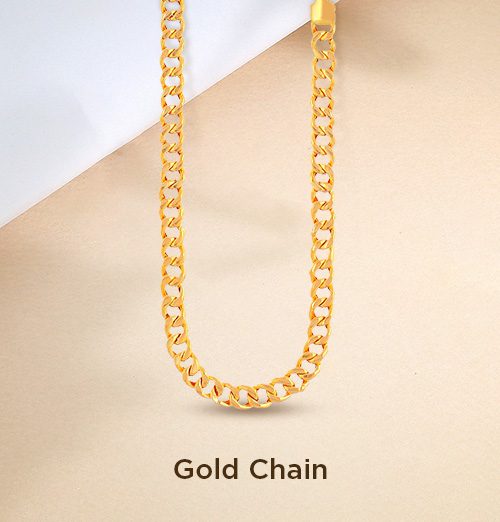
Multiple pendants add extra swinging points. Keep enough vertical space for each motif to move without striking the one below. A centred pendant can also pull its chain into a V, reducing the separation you expected from the chain length alone.
Start with one pendant and one plain chain. If that combination remains stable, consider a second small focal element. Check that each bail moves freely and that no pendant edge catches a neighbouring link. Decorative points and openwork need particular attention because a fine link can enter a small opening during movement.
A multi-chain connector or layering clasp can keep several ends organised and make the group easier to put on. It does not guarantee that the front sections will never cross. The connector must be appropriate for the chain ends, total load and clasp arrangement, and every chain must close securely into its assigned point.
Do not force an end ring into a connector that is too thick or small. Added hardware can also change how the layers sit at the back of the neck. If you are uncertain about a connector or a specific chain combination, please contact us before relying on it.
Lay each chain flat and untwist it before wear. Put on the shortest chain first, then add the next length while watching the centre and clasp positions. Arrange the front sections with open fingers rather than pulling on the links. If a tangle begins, remove the chains and separate them on a flat surface.
At the end of wear, remove the longest or heaviest layer first so it does not drop across finer chains. Open every clasp individually. Never lift a complete stack by one chain, as the remaining pieces can hang from delicate contact points. A consistent sequence makes careful handling easier.
Layering is for wear, not storage. Close each clasp, straighten the chain and place it in its own soft compartment or suitable pouch. Position pendants so the edges cannot press into neighbouring links. Avoid placing heavier pieces on top of fine chains.
Before the next wear, inspect clasps, end rings, bails and sections that crossed during use. If you see distortion, a gap, unusual stiffness or a link that no longer lies correctly, stop and seek guidance. Our complete 22K gold jewellery collection can help you compare forms, but condition checks remain specific to each piece.
At Hispek Diamonds, we begin with two compatible chains, create clear length separation, keep the stronger visual weight lower and limit moving pendants. We then test normal head and shoulder movement before adding complexity. Careful removal and separate storage protect the links after the look is complete.
Keep the first trial simple and brief. After wearing the two-chain combination indoors, place both pieces on a flat surface and inspect the areas that touched. If one link pattern repeatedly traps the other, change the pairing or increase the length separation. A successful stack should be easy to put on, comfortable to wear and straightforward to separate. Visual impact should never depend on accepting avoidable strain or difficult handling.
Can I stop layered chains from tangling completely?
No arrangement can guarantee this during movement. Good length separation, compatible links and limited pendants can reduce the likelihood.
Which chain should sit at the bottom?
We usually place the more substantial chain or main pendant lower, provided the lengths and structures remain compatible.
Do layering clasps prevent all crossing?
No. A connector can organise the ends, but front sections can still cross as you move.
How should I store layered chains?
Remove each chain separately, close its clasp, straighten it and store it in its own soft compartment or suitable pouch.
Use this bullion dealer comparison to assess pricing, product authenticity, delivery, storage and buy-back support before you invest in physical gold.
To layer 22K gold chains successfully, Hispek Diamonds plans the order before putting anything on. Different lengths create separation, compatible link structures reduce friction, and…
Ethical diamonds explained: understand sourcing, traceability, certification and lab-grown choices before choosing a ring you can wear with confidence.

The security of 22K gold jewellery depends on more than the main chain, bracelet or bangle. Clasps close the piece, hinges control opening points, and…
Learn how to choose anniversary rings with the right metal, diamond setting, fit and budget for a meaningful piece you will wear with confidence for years.

When you choose a 22K gold necklace and earring set, we recommend starting with the space created by your neckline. That space determines where the…