

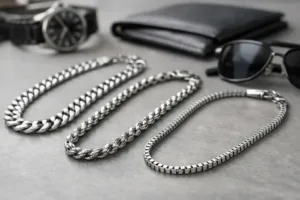
Silver Chains for Men That Fit Your Style
Choose silver chains for men with confidence: compare sterling silver styles, lengths, widths and care for polished everyday or occasion wear with ease.
We Buy Gold . Top Prices Paid .
7 Day Price Promise .
30 Day Returns
Free World Wide Shipping
Life Time Warranty
We Buy Gold . Top Prices Paid .
7 Day Price Promise .
30 Day Returns
Free World Wide Shipping
Life Time Warranty

+44 203 965 6669
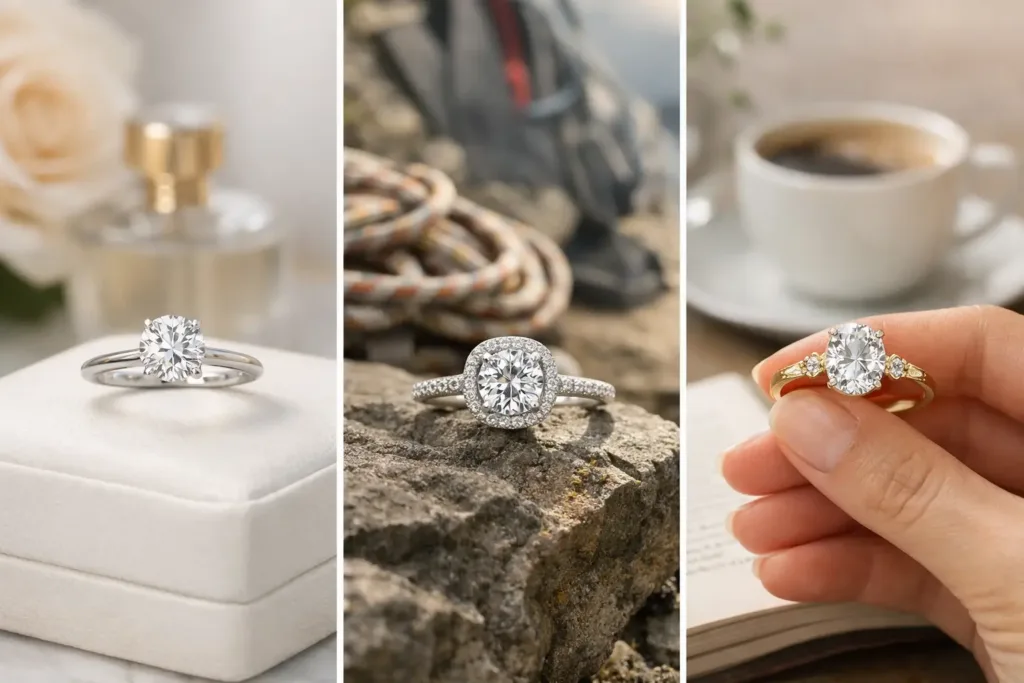
A lab-grown diamond can offer exceptional beauty and remarkable value, but its setting determines how that beauty is seen, worn and protected. The best lab diamond settings balance the character of the stone with your personal style, budget and everyday routine. A spectacular diamond deserves more than a setting chosen simply because it is popular.
For an engagement ring, the right design should make the diamond look its best while giving you confidence in its security for years to come. From timeless solitaires to protective bezel settings, each option creates a very different result.
Start with the diamond’s shape, carat weight and cut. A setting should frame the stone rather than compete with it. It should also suit how the ring will be worn. Someone who works with their hands, visits the gym regularly or prefers a low-profile ring may need a different choice from someone looking for maximum sparkle at formal occasions.
Metal matters too. Platinum is naturally white, durable and an excellent choice for securing diamonds over the long term. White gold provides a similar bright appearance at a lower initial cost, although it may need occasional rhodium replating to retain its crisp white finish. Yellow gold creates a rich contrast with a colourless lab diamond, while rose gold brings a softer, romantic warmth.
The setting can also affect apparent size. Fine claws and a slim band can make a centre diamond look more prominent, while a halo can create a larger overall silhouette. This is particularly appealing for buyers seeking affordable luxury without compromising on impact.
The solitaire remains one of the most sought-after choices for lab diamond engagement rings. It features one centre stone, allowing its cut, clarity and brilliance to take centre stage. It is understated, versatile and unlikely to date.
A classic four-claw setting gives a round, oval, cushion or emerald-cut diamond plenty of light exposure. With fewer claws visible, the diamond can appear more open and prominent. Six claws provide additional security and suit round diamonds particularly well, creating the familiar floral outline associated with a traditional engagement ring.
The main decision is height. A high-set solitaire allows more light beneath the diamond and delivers an elegant profile, but it can catch on knitwear, hair or gloves. A lower-set solitaire is more practical for regular wear and may sit more comfortably beside a wedding band. For many buyers, a carefully designed medium setting offers the best compromise between brilliance and ease of wear.
A halo setting surrounds the centre diamond with a circle or outline of smaller diamonds. It is an effective way to increase visual impact, particularly with a smaller centre stone or an elongated shape such as an oval, pear or radiant cut.
The added diamonds produce intense sparkle and can make the centre stone look larger than its carat weight suggests. A round halo gives a soft, classic appearance, while a shaped halo follows the outline of the centre diamond for a more dramatic finish. Double halos offer even more presence, although they can feel more ornate and require more detailed cleaning.
Halo rings are ideal for those drawn to glamour and vintage-inspired design. They are not necessarily the best choice for a minimalist wardrobe or a very active lifestyle, as the smaller stones and fine setting work benefit from periodic inspection. With the right craftsmanship and proper care, however, a halo ring offers an unmistakably luxurious look.
A bezel setting holds the diamond within a smooth rim of precious metal. A full bezel encircles the entire stone, while a partial bezel leaves selected areas open to admit more light. Both create a sleek, contemporary profile with excellent protection around the diamond’s edge.
This is one of the strongest options for active wearers. There are no exposed claws to catch, and the diamond is less vulnerable to knocks from the side. Bezel settings work beautifully with round, oval and emerald-cut lab diamonds, especially in modern yellow gold or polished platinum.
The trade-off is that the metal covers more of the diamond than a claw setting. This can slightly reduce the amount of light entering from the sides, although a high-quality, well-cut lab diamond will still look bright and lively. If practicality, clean lines and security are priorities, a bezel is difficult to overlook.
A three-stone ring places a central diamond between two side stones. Traditionally, the design represents a couple’s past, present and future, making it a meaningful engagement ring choice. It also offers generous finger coverage and a substantial appearance without relying on a single very large centre diamond.
The side diamonds may match the centre stone in shape, as with three round brilliants, or provide contrast. Tapered baguettes beside an emerald-cut centre diamond feel refined and architectural. Pear-shaped side stones can add a softer, more distinctive look to an oval or round centre stone.
Proportion is critical. Side stones should enhance the centre diamond rather than overpower it. A bespoke consultation can be particularly valuable here, as the setting can be designed around the exact dimensions and proportions of the certified lab-grown diamond.
Pavé settings feature small diamonds set closely across the ring band, creating the appearance of a continuous surface of sparkle. They pair naturally with solitaires, halos and three-stone designs, adding a premium finish without changing the centre stone’s profile.
A delicate pavé band can make a centre lab diamond appear larger by comparison. It is a popular choice for those who want brilliance from every angle, particularly in white gold or platinum. However, the fine setting work means it should be checked periodically, especially if worn every day.
Channel-set bands place small diamonds between two walls of metal. The result is smoother and more protected than pavé, making it a practical option for wedding bands or engagement rings where a cleaner outline is preferred. It has a polished, contemporary feel and is less likely to snag than raised micro-claw details.
The diamond shape should guide the final choice. Round brilliant lab diamonds are highly adaptable and work in almost every setting, from a classic six-claw solitaire to a brilliant halo. Oval diamonds look elegant in solitaire, halo and hidden-halo designs, though a secure setting is essential because their pointed or curved ends can be more exposed.
Emerald-cut and Asscher-cut diamonds have broad, mirror-like facets rather than intense glitter. They suit clean settings that respect their geometry, including four-claw solitaires, bezels and tapered-baguette three-stone rings. Overly detailed halos can distract from their distinctive step-cut pattern.
Pear and marquise diamonds require particular attention at their pointed ends. A protective V-claw is strongly recommended, helping to shield the most vulnerable part of the stone from accidental impact. Radiant and cushion cuts are versatile, looking equally impressive in solitaires, halos and pavé designs.
A beautiful engagement ring should also work with the wedding band you plan to wear. Low-set solitaires, large halos and ornate side profiles may leave little space for a straight band to sit flush. In these cases, a shaped wedding ring can create a close, intentional fit.
If a flush fit is important, select a setting with enough clearance beneath the centre stone. This small detail can make daily wear more comfortable and avoid a visible gap between the two rings. It is worth considering before the ring is made, rather than treating the wedding band as an afterthought.
Whether you select a simple claw setting or a detailed halo, craftsmanship should never be secondary. The claws must be even and secure, the band properly proportioned, and the finish smooth against the skin. Certified lab-grown diamonds offer reassurance about the stone’s key characteristics, while UK hallmarking confirms the precious metal quality of the ring.
A premium setting is also designed with future care in mind. Rings benefit from professional cleaning, occasional claw checks and resizing advice where needed. Fine jewellery is made to be worn, but it should be treated with the same care as any valuable purchase.
The best choice is the setting that feels natural on your hand, protects your diamond and still gives you a sense of occasion every time you look at it. Whether that is a timeless platinum solitaire or a bespoke yellow-gold bezel, choose the design that makes your lab diamond feel unmistakably yours.
Choose silver chains for men with confidence: compare sterling silver styles, lengths, widths and care for polished everyday or occasion wear with ease.

Modern Asian bridal jewellery trends unite heritage goldwork, diamonds and personal styling. Learn how to choose certified pieces with lasting value today.

Understand natural diamond investment value, from rarity and certification to resale realities, so you can buy a timeless stone with greater confidence.

Find the best Asian gold bangles for everyday wear, weddings and gifts. Compare 22K purity, designs, fit, hallmarking and lasting value with confidence.
Our diamond tennis necklace guide explains carat weight, diamond quality, length and setting, helping you choose a certified necklace with confidence.
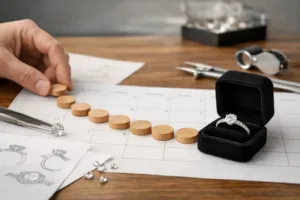
A custom engagement ring timeline example, from consultation and design approval to diamond sourcing, craftsmanship, hallmarking and delivery in the UK.