


Gold Investment Trends UK Buyers Should Watch
Gold investment trends UK buyers are watching now include smaller bars, inflation hedging and trusted sourcing for long-term security.
We Buy Gold . Top Prices Paid .
7 Day Price Promise .
30 Day Returns
Free World Wide Shipping
Life Time Warranty
We Buy Gold . Top Prices Paid .
7 Day Price Promise .
30 Day Returns
Free World Wide Shipping
Life Time Warranty

+44 203 965 6669

A 24K gold bar may look similar to another bar of the same weight, but its purity, producer, certification and resale credentials can make a meaningful difference to what you own. This guide to 24K gold purity explains what the label really means, how to read fineness markings and when high-purity gold is the right choice for jewellery or investment.
Karat is the system used to describe the proportion of gold in an alloy. It is measured in 24 parts: 24K gold is intended to be gold in its highest commercially available purity category. In practical terms, 24K investment gold is most often refined to 999 or 999.9 fineness, meaning it contains 99.9% or 99.99% pure gold by weight.
The small amount that is not gold may consist of trace elements left after refining. This does not make a 999.9 bar less desirable. It is the recognised standard for many investment-grade bars and coins, and it is the fineness many buyers expect when purchasing physical bullion.
You may see several markings used alongside 24K:
For an investor, 999 and 999.9 gold are both regarded as high-purity bullion. The more relevant considerations are often the bar’s weight, refiner, market recognition, condition and the premium paid above the underlying gold value.
Pure gold has a rich, deep yellow tone and considerable intrinsic value, but it is also soft. That is why most everyday fine jewellery is made in lower-karat gold alloys. Mixing gold with metals such as silver, copper or palladium improves durability and can alter the colour.
22K gold contains 22 parts gold out of 24, equivalent to 916 fineness or 91.6% gold. It is prized for its warm colour and is especially popular in traditional and Asian gold jewellery. It remains relatively soft, so design and intended wear matter.
18K gold is 750 fineness, containing 75% gold. It provides a luxurious colour and strong gold content while offering greater resistance to everyday knocks. It is a popular choice for engagement rings, wedding bands and diamond-set jewellery.
9K gold is 375 fineness, containing 37.5% gold. It is a practical and accessible option for jewellery worn regularly, with more alloy metal contributing to its strength and lower price point.
There is no single “best” purity. A 24K bar and an 18K diamond ring serve different purposes. One is primarily a precious-metal holding; the other is designed to be worn, enjoyed and made to last through daily life. Choosing well starts with being clear about what you want your gold to do.
24K gold can be used for jewellery, particularly in pieces designed for occasional wear or in cultural styles where high gold content is central to the appeal. Its intense yellow colour is distinctive, and its purity has lasting emotional and financial significance for many families.
However, it needs thoughtful handling. Pure gold is more susceptible to scratching, bending and surface marks than 18K or 9K gold. Fine claws holding diamonds or gemstones, slim ring shanks and delicate chain links generally benefit from stronger alloys. A 24K ring can be beautiful, but it may not suit someone who works with their hands, goes to the gym regularly or wants a highly polished finish to remain untouched.
For jewellery that combines high gold content with more practical wearability, 22K may offer a compelling balance. For an engagement ring intended for daily wear, 18K gold or platinum is often the more dependable choice. The right answer depends on the design, lifestyle and expectations for the piece.
A fineness stamp is a useful starting point, but it should not be your only reassurance when making a high-value purchase. Genuine bullion should come from a reputable seller with clear product details, transparent pricing and documentation appropriate to the product.
For gold jewellery sold in the UK, compulsory hallmarking rules apply to most qualifying precious-metal items over the relevant weight threshold. A hallmark can show the metal fineness, assay office and sponsor’s mark, providing an important layer of accountability. A 999 hallmark denotes 24K-level gold purity, while 916, 750 and 375 correspond to 22K, 18K and 9K respectively.
Bullion bars are commonly supplied in secure packaging with an assay card or certificate identifying the refiner, weight, fineness and serial number. Many investors choose products from LBMA-approved refiners because their bars are widely recognised within the bullion market. Recognition can make future resale more straightforward, although terms and buy-back prices will always vary between dealers.
Be cautious of unusually low prices, vague descriptions or products without stated fineness. Gold is priced globally and transparently. A dramatic discount can signal that a product is plated, underweight, incorrectly described or difficult to sell on.
The spelling can be confusing when buying diamond jewellery. Karat, shown as K, refers to gold purity. Carat, shown as ct, measures gemstone weight. A 24K gold bar describes the metal’s purity; a 1ct diamond describes the diamond’s weight. Both matter in fine jewellery, but they are entirely separate measures.
Gold jewellery has value beyond its metal content. Craftsmanship, design, brand, diamonds, gemstones and condition all influence its retail price. When jewellery is resold, buyers may place most of their value on the recoverable gold and gemstones rather than the original purchase price.
Bullion is designed to track the value of gold more directly. A 24K bar is typically priced using the live gold market price, plus a premium covering refining, fabrication, distribution, security and retailer costs. Smaller bars usually carry a higher premium per gram than larger bars because the production and handling costs are spread across less gold.
For UK buyers, qualifying investment gold can generally be purchased free from VAT. This treatment is one reason 24K bullion appeals to investors, but it does not normally apply to gold jewellery. Eligibility depends on the product meeting the legal definition of investment gold, so it is sensible to check the product specification before purchasing.
Coins and bars can both be suitable. Bars are often chosen for their efficient gold content and range of weights. Certain bullion coins may offer additional advantages, including familiarity among buyers and, where applicable, tax considerations. Your preferred format should reflect your budget, storage plan and how you expect to sell in future.
The spot price is the current market value of unallocated pure gold, normally quoted per troy ounce. One troy ounce equals 31.1035 grams, not the 28.35 grams used in an ordinary avoirdupois ounce. This difference matters when comparing prices.
The final price of a physical 24K gold product includes more than spot. It can reflect the product’s weight and fineness, the live market price, fabrication premium, demand, payment method and delivery or collection arrangements. During periods of strong demand, premiums may increase even if the spot price is stable.
When comparing two products, look at the total gold content and the premium per gram, not simply the headline price. A 10g bar costs less than a 1oz bar overall, but that does not necessarily mean it offers the better price per gram. Equally, the lowest premium is not always the best choice if the product is unfamiliar, poorly documented or unsuitable for your intended resale market.
Before purchasing, decide whether you are buying gold as a long-term holding, a gift, part of a diversified collection or a combination of investment and personal significance. This will guide the weight, format and budget that make sense for you.
Choose clearly described 999 or 999.9 gold from recognised refiners, and retain your invoice, assay card and original packaging. Store bullion securely, handle sealed bars carefully and understand the seller’s delivery, returns and resale policies before committing. For larger purchases, expert guidance can help you compare formats without losing sight of the purpose behind your investment.
Hispek Diamonds offers premium 24K investment gold alongside fine jewellery, allowing buyers to choose between gold made for life’s milestones and gold selected for its enduring purity. The most reassuring purchase is one where the fineness, provenance, price and intended use are all clear before you buy.
24K gold is not simply the highest number on a scale. It is a specific standard of purity with distinct strengths: exceptional gold content, global recognition and a direct connection to the precious metal’s value. Buy it with the same care you would give any significant asset, and it can hold a confident place in your collection for years to come.
Gold investment trends UK buyers are watching now include smaller bars, inflation hedging and trusted sourcing for long-term security.

Comparing 9k vs 18k gold? Learn the key differences in purity, colour, durability, price and value so you can choose the right gold jewellery.

A promise rings guide covering meaning, styles, metals, diamonds, sizing and gifting tips so you can choose a ring with confidence and lasting value.

Learn how to compare diamond certificates properly, from grading labs to cut, clarity and measurements, so you can buy with confidence.
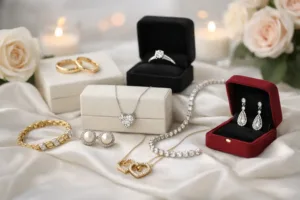
Explore top anniversary jewellery gift ideas, from diamond rings to gold chains, with expert tips on style, meaning, value and lasting quality.

Choosing 22k or 18k gold? Compare purity, durability, colour, price and best uses to find the right gold for jewellery, gifting or wear.