
D Flawless Pear
Here we showcase some of the rarest and most fascinating diamonds from around the world. 20 Carat Pear Modified Brilliant Cut
We Buy Gold . Top Prices Paid .
7 Day Price Promise .
30 Day Returns
Free World Wide Shipping
Life Time Warranty
We Buy Gold . Top Prices Paid .
7 Day Price Promise .
30 Day Returns
Free World Wide Shipping
Life Time Warranty

+44 203 965 6669
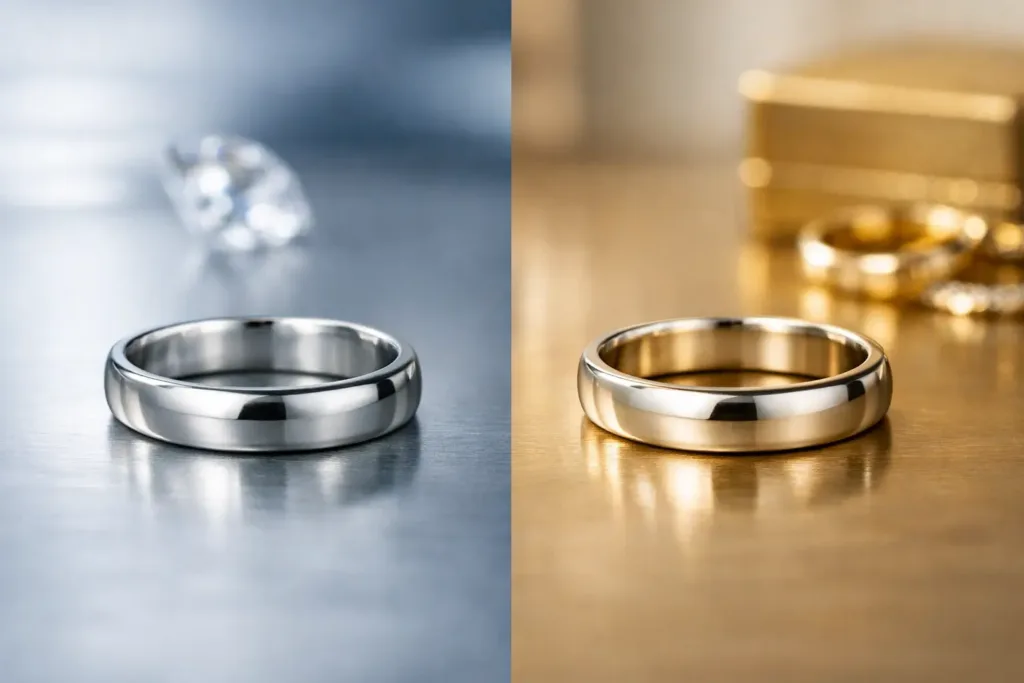
One ring can look perfect in the box and feel less perfect six months later if the metal does not suit your lifestyle, budget or expectations. When comparing platinum vs white gold rings, the real question is not which metal is better in absolute terms, but which one is better for the way you plan to wear it.
For engagement rings and wedding bands, this choice matters more than many buyers expect. Both metals offer a bright, refined finish that complements diamonds beautifully. Both are popular for classic solitaires, hidden halo settings and modern bespoke designs. Yet they behave differently over time, and those differences affect appearance, maintenance, comfort and cost.
If you want the short answer, platinum is usually the premium choice for long-term durability, density and naturally white colour. White gold is often the more budget-flexible option and can deliver a very similar look at the point of purchase. Neither is automatically the right answer for every ring.
Platinum is naturally white, heavier to wear and typically more expensive. White gold is made by blending yellow gold with white metals, then usually finishing it with rhodium plating to achieve a brighter white appearance. That means white gold often starts with a slightly sharper, mirror-like whiteness, but it may need replating over time to maintain that look.
For some buyers, that maintenance is no issue at all because the lower upfront price makes white gold highly appealing. For others, especially those buying a ring for daily wear over decades, platinum feels like the stronger long-term choice.
At first glance, platinum and white gold can look almost identical in a showroom. Set with a certified diamond, both give a clean, elegant finish that works especially well with round, oval, cushion and emerald-cut stones. The difference tends to show itself with wear.
Platinum has a naturally white tone, so its colour is built into the metal itself rather than added as a surface finish. Over time, platinum develops a patina – a softer, slightly muted sheen caused by everyday wear. Many buyers appreciate this because it gives the ring a mature, understated luxury. Others prefer a brighter polished finish and choose occasional professional polishing.
White gold is rarely pure bright white on its own. It is usually rhodium plated to achieve the crisp finish many customers expect. When that plating wears down, the ring can begin to show a warmer tone underneath. This does not mean the ring is poor quality. It simply means white gold needs periodic maintenance if you want it to keep its fresh, bright-white appearance.
If you love a highly reflective finish and do not mind servicing from time to time, white gold can be an excellent option. If you prefer a metal that stays white by nature, platinum has the advantage.
Durability is one of the biggest reasons buyers choose platinum for engagement rings.
Platinum is dense and hard-wearing, which makes it particularly well suited to rings worn every day. When platinum is scratched, the metal usually shifts rather than wears away significantly. That can be especially valuable in claw settings, where long-term security matters. For rings holding a centre diamond or other precious stone, that extra reassurance is often worth the higher initial price.
White gold is also durable and perfectly suitable for everyday jewellery, especially in well-made settings. However, with wear, tiny amounts of metal can gradually abrade away over many years. For many customers this is not a deal-breaker at all, especially if the ring is maintained properly. It simply means platinum tends to hold up better under constant daily use.
If you work with your hands, go to the gym wearing your ring, or want the most reassuring choice for lifelong wear, platinum is often the stronger candidate. If your ring will be worn more carefully, white gold remains a practical and attractive metal.
This is one detail many online shoppers overlook until they try both metals on.
Platinum is noticeably heavier than white gold. Some people love that substantial feel because it signals quality and permanence. It can make an engagement ring or wedding band feel more premium. Others prefer the lighter feel of white gold, especially if they are not used to wearing jewellery every day.
There is no right preference here. It comes down to personal comfort. A ring you wear daily should feel natural, not distracting.
Platinum is usually more expensive than white gold because it is rarer, denser and used in higher purity for jewellery. A platinum ring contains more metal by weight, which increases material cost. That higher entry price can be significant if you are balancing the metal choice against diamond size, cut quality or a bespoke design budget.
White gold can offer a very similar visual effect for a lower upfront spend. That makes it attractive for buyers who want a refined, premium look while keeping more room in the budget for the diamond or overall design. It is often the smart middle ground between appearance and affordability.
The trade-off is maintenance. Rhodium replating and general wear should be factored into long-term ownership. For some customers, white gold still works out as the better choice because the initial saving matters more. For others, platinum feels like better value over time because it needs less cosmetic upkeep.
Both platinum and white gold rings benefit from routine professional checks, especially if they hold diamonds or gemstones. Claws, settings and shanks should all be inspected periodically.
Platinum generally requires less colour-related maintenance because it is naturally white. It may need polishing if you want to reduce patina and restore a higher shine. White gold, by contrast, usually needs rhodium replating from time to time to keep its original bright finish.
That does not make white gold inconvenient, but it does make it a more maintenance-led choice. If you prefer low-fuss ownership, platinum often suits better. If you are happy to service your ring occasionally for a crisp finish, white gold can still be ideal.
For customers with sensitive skin, platinum can be the safer choice. It is typically used in a high-purity form and is generally well tolerated. White gold alloys can vary, and some may contain metals that cause irritation in very sensitive wearers.
This is especially relevant for rings worn all day, every day. If you have had reactions to jewellery before, it is worth asking detailed questions about alloy composition and finish before choosing.
For engagement rings, platinum is often seen as the premium benchmark because of its strength, natural white tone and long-term reliability in holding stones securely. It suits buyers who want a timeless metal with a solid feel and are comfortable investing more upfront.
White gold is often the better fit when budget flexibility matters or when the goal is to maximise the diamond within a set spend. If you want a larger certified stone, a more detailed setting or a custom design without stretching the budget too far, white gold can make that easier.
In practice, many buyers choose platinum for solitaire engagement rings and white gold for designs where visual impact and budget balance are both priorities. Neither choice is wrong. The best decision depends on whether your priority is long-term metal performance or initial purchase value.
Before you commit, ask how often the ring may need maintenance, what purity or alloy is being used, and how the chosen metal will affect the final price of the setting. You should also ask about hallmarking, ring sizing, aftercare and whether the ring is designed for daily wear.
These details matter because two rings can look nearly identical online while offering very different ownership experiences. A premium purchase should come with clarity, not guesswork.
For buyers investing in a piece that marks an engagement, wedding or major gift, reassurance is part of the product. That is why expert guidance, transparent pricing and properly certified jewellery matter just as much as the metal itself. At Hispek Diamonds, that balance between luxury and confidence is central to helping customers choose well.
If you want the brightest look for less upfront, white gold is a strong contender. If you want natural whiteness, greater density and a metal that feels built for decades, platinum is hard to beat. The right ring is the one that still feels right long after the proposal, the ceremony and the first photographs are over.
Here we showcase some of the rarest and most fascinating diamonds from around the world. 20 Carat Pear Modified Brilliant Cut

Here we showcase some of the rarest and most fascinating diamonds from around the world. 20 Carat Oval Brilliant Cut

What makes diamonds so scintillating? When buying diamonds, people often try to find the biggest and brightest stones they can find. However, whilst size and…
Here we showcase some of the rarest and most fascinating diamonds from around the world. 20 Carat Modified Shield Step Cut

Keep up to date with the latest product releases.

Privacy Policy Full Set 14.86 Carat weight of diamonds 101.57g weight of gold Necklace & Earrings 9.65 Carat weight of diamonds 66.4g weight of gold…