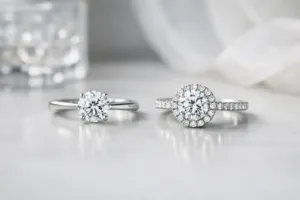
Diamond Solitaire or Halo – Which Suits You?
Diamond solitaire or halo – compare sparkle, size, price and style to choose the right engagement ring with confidence and lasting value.
We Buy Gold . Top Prices Paid .
7 Day Price Promise .
30 Day Returns
Free World Wide Shipping
Life Time Warranty
We Buy Gold . Top Prices Paid .
7 Day Price Promise .
30 Day Returns
Free World Wide Shipping
Life Time Warranty

+44 203 965 6669
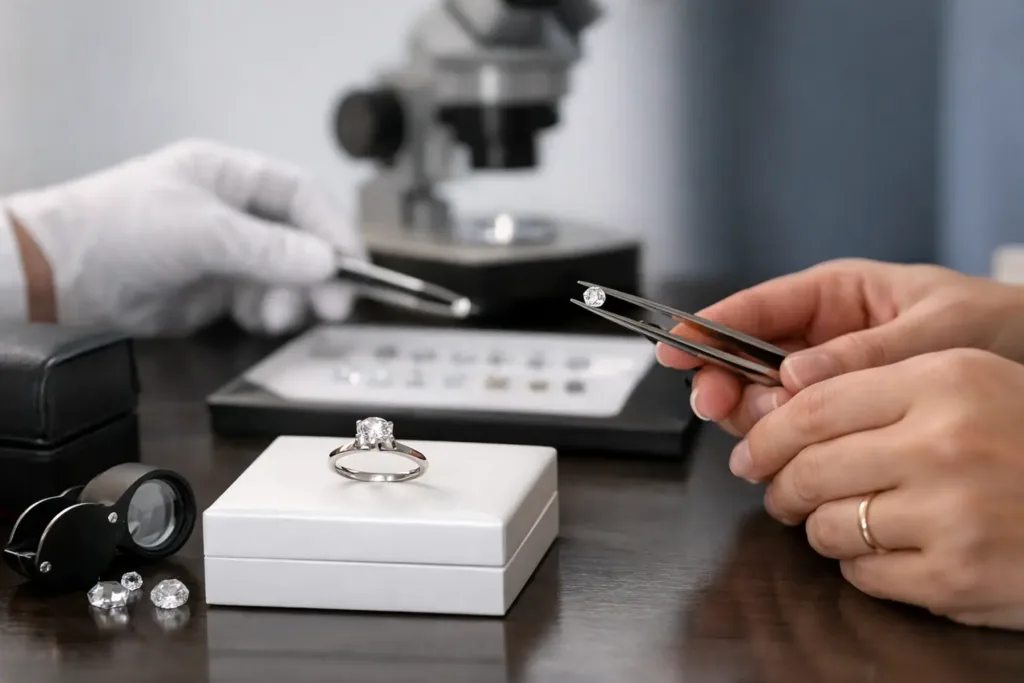
A diamond ring can look perfect in a photograph and still be the wrong purchase. The difference usually comes down to what sits behind the sparkle – the certificate, the quality grading, the craftsmanship and the retailer’s credibility. If you are wondering how to choose a certified diamond ring, the goal is not simply to find a ring that looks impressive on the day. It is to buy a piece you can trust for years to come.
A certified diamond ring gives you an independent assessment of the stone’s key qualities. That matters because diamonds vary enormously in value, even when they appear similar at first glance. Without recognised certification, you are relying purely on a seller’s description, which leaves too much room for inconsistency.
For most buyers, certification is what turns a high-value jewellery purchase into a confident one. It provides documented grading for the diamond’s carat weight, colour, clarity and cut, helping you compare stones more accurately. It also supports transparency if you ever need valuation, insurance or resale.
Not all certificates carry the same weight, though. In the UK market, buyers tend to look for diamonds graded by well-known independent laboratories such as GIA or IGI. Natural and lab-grown diamonds can both be certified, but the report should clearly state which type of diamond you are buying.
The smartest approach is to treat the ring as two purchases in one: the diamond itself and the ring that holds it. Both affect price, but not always equally.
Start with the certificate. Look closely at the grading report and check that the diamond’s measurements, shape and identifying details match the listing or the ring you are viewing. If the diamond is laser inscribed, that can add another layer of reassurance because the stone can be matched to its report.
Next, focus on which quality factors matter most to the eye rather than just the paperwork. Many buyers pay more than they need to for a higher clarity grade that is difficult to appreciate without magnification. In contrast, cut quality has a strong effect on brilliance and is often where value is either won or lost. A well-cut diamond with slightly lower clarity can look more impressive than a poorly cut stone with stronger paper grades.
Colour also depends on setting and personal taste. In white gold or platinum, many buyers prefer a brighter white appearance, so colour becomes more noticeable. In yellow or 22K gold tones, a slightly warmer diamond can still look beautiful and may offer better value. This is where expert guidance matters, because the right combination can save money without making the ring feel like a compromise.
The certificate should be easy to verify and issued by a recognised grading laboratory. If the report language is vague, or the grading body is unfamiliar, that should prompt more questions.
The most important details are the 4Cs, but they should not be read in isolation. Carat tells you the weight, not how large the diamond necessarily looks. Cut influences sparkle, symmetry and light return. Colour measures how colourless the stone is, while clarity records internal and external characteristics.
You should also check polish, symmetry and fluorescence. These are not always deal-breakers, but they can affect appearance and value. Strong fluorescence, for example, may make one diamond a good buy and another less desirable – it depends on the individual stone. This is why a certificate is a foundation, not the whole decision.
For fancy shapes such as oval, pear or emerald cut, certification is still essential, but visual selection becomes even more important. Two diamonds with similar grades can face up very differently. Shape preference is personal, yet proportions and make still influence whether the finished ring looks elegant, balanced and premium.
At Hispek Diamonds, we believe a ring should suit the person who will wear it. This sounds obvious, but many buyers become so focused on certification and diamond grades that they forget the piece has to feel right on the hand.
If the wearer prefers timeless style, a round brilliant solitaire with recognised certification remains a strong choice. It is classic, versatile and generally performs well in terms of sparkle. If they lean towards modern design, an oval, radiant or hidden halo setting may feel more distinctive while still offering long-term appeal.
Lifestyle matters too. Someone with hands-on daily routines may be better suited to a lower-profile setting that protects the stone. A very delicate ring can look refined, but it may not be the most practical choice for everyday wear. Premium jewellery should be beautiful, but it also needs to work in real life.
Metal choice changes the overall look. Platinum offers a durable, naturally white finish with a substantial feel. White gold can provide a similar visual effect at a different price point. Yellow gold and rose gold bring warmth and character, and they can completely change how the diamond presents.
One of the biggest buying decisions today is whether to choose a natural diamond or a lab-grown diamond. Both can be certified, both can be beautiful, and both can suit an engagement ring or gift purchase. The right choice depends on priorities.
Natural diamonds appeal to buyers who value rarity, geological origin and traditional long-term desirability. Lab-grown diamonds appeal to buyers who want stronger size or quality for the budget and who are open to a modern alternative. Neither option should be sold vaguely. The certificate must clearly identify the diamond’s origin so there is no confusion.
Price differences can be significant, which is why transparency matters. A larger stone is not automatically the better buy if the cut is poor or the setting quality is disappointing. Equally, paying a premium for natural without understanding why may not be the right move for every customer. Confidence comes from comparing like for like and choosing what best fits your priorities.
A certified diamond ring is only as convincing as the craftsmanship around it. The setting should hold the stone securely, sit evenly and feel properly finished from every angle. Poorly made claws, thin bands or inconsistent polishing can undermine an otherwise attractive diamond.
If you are buying in the UK, hallmarking is another important trust marker for precious metal jewellery. It confirms the metal purity and supports the overall credibility of the piece. This is especially relevant when you are paying for premium materials such as platinum or higher carat gold.
Bespoke or made-to-order rings deserve extra attention here. Custom design can be an excellent option if you want specific proportions, metal choices or a setting tailored around a certified stone. But custom should still come with the same standards of transparency, quality assurance and aftercare as a ready-made ring.
Knowing how to choose a certified diamond ring also means knowing who to buy it from. Certification is a major part of reassurance, but it does not replace service, support or accountability.
A reputable retailer should be clear about diamond grading, pricing, sourcing and product specifications. They should also offer practical support around sizing, delivery, returns and aftercare. For a high-value purchase, these details are not extras. They are part of the buying decision.
Look for signals that the business takes long-term customer confidence seriously, such as professional trade membership, warranty support and consultation options. A premium ring purchase should feel informed and well supported, not rushed. At Hispek Diamonds, that confidence is built through certified stones, transparent guidance and a service-led approach designed for meaningful purchases.
Before placing the order, read the certificate details one more time and make sure they match the diamond being offered. Confirm the metal type, ring size, setting style and whether the piece is ready to ship or made to order. If it is an engagement ring, think beyond the proposal moment and consider how the ring will feel after months and years of daily wear.
The best certified diamond ring is rarely the one with the biggest headline numbers. It is the one that balances beauty, authenticity, craftsmanship and value in a way that feels right for the person receiving it. Buy with clear information, trusted certification and a retailer that stands behind the purchase, and the decision becomes far simpler.
Diamond solitaire or halo – compare sparkle, size, price and style to choose the right engagement ring with confidence and lasting value.

Gold bars vs gold coins – compare cost, liquidity, storage and tax treatment to choose the right 24K gold investment for your goals today.
Can you resize platinum rings? Learn when platinum rings can be made bigger or smaller, what affects cost, and when resizing is not advised.
Our guide to buying engagement diamonds covers cut, clarity, carat, certification, budgets and settings so you can choose with confidence.
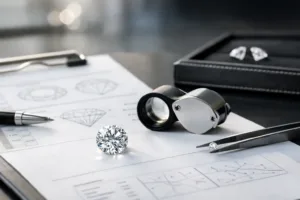
A diamond grading report review helps you verify quality, value and authenticity before buying. Learn what to check and what the grades mean.
Are lab diamonds certified? Learn how grading works, which labs matter, what reports include, and how to buy a certified stone with confidence.