
Is 24k Gold VAT Free in the UK?
Is 24k gold VAT free in the UK? Learn when investment gold qualifies for VAT exemption and when jewellery and other gold items still incur VAT.
We Buy Gold . Top Prices Paid .
7 Day Price Promise .
30 Day Returns
Free World Wide Shipping
Life Time Warranty
We Buy Gold . Top Prices Paid .
7 Day Price Promise .
30 Day Returns
Free World Wide Shipping
Life Time Warranty

+44 203 965 6669
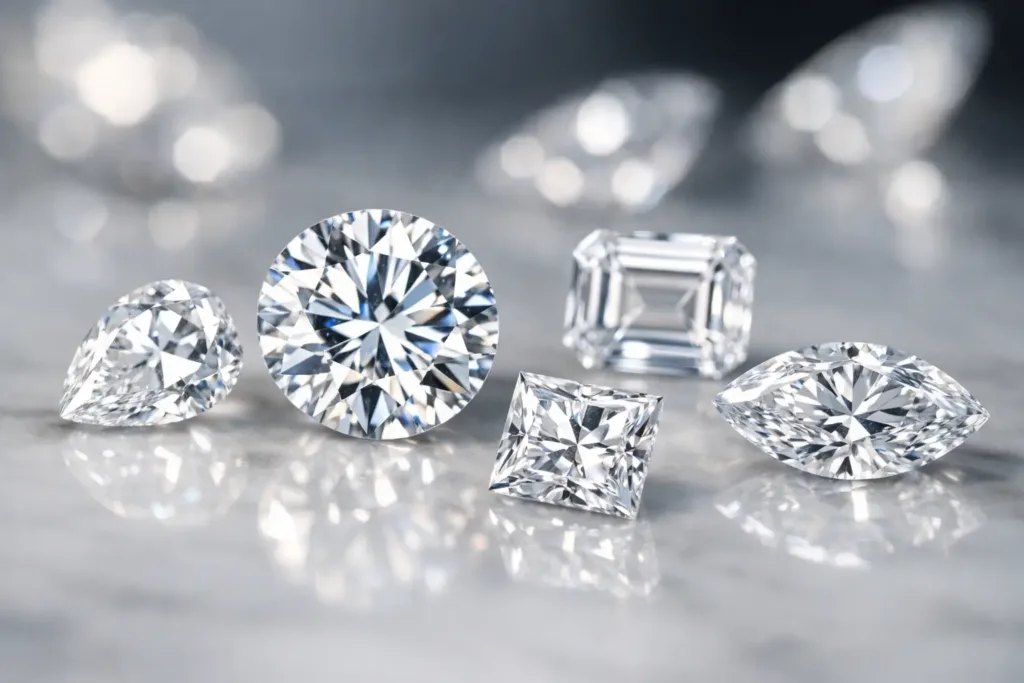
A diamond can have an impressive carat weight, a high colour grade and excellent clarity, yet still look quiet if its facets do not return light well. When choosing the best diamond cuts for sparkle, the cut is usually the deciding factor. It governs how light enters the stone, reflects internally and returns to the eye as brightness, colour and movement.
For an engagement ring, eternity ring or meaningful gift, this is why a beautifully cut diamond often appears more luxurious than a larger stone with weaker proportions. Shape matters, but the quality of cutting within that shape matters even more.
Sparkle is often used as one word, but it describes three distinct visual effects. Brilliance is the white light reflected back through the top of the diamond. Fire is the flash of spectral colour, such as blue, orange and red. Scintillation is the lively pattern of light and dark flashes seen when the diamond or the wearer moves.
A skilled cutter balances facet angles and proportions to keep light inside the diamond long enough for it to reflect back towards the viewer. If a diamond is cut too shallow, light can leak through the bottom. If it is too deep, light may escape through the sides. In both cases, the stone can look darker or smaller than its carat weight suggests.
This is why cut should be a priority when comparing diamonds. For round brilliant diamonds especially, an Excellent cut grade from a respected independent laboratory is a strong starting point. For fancy shapes, where a single overall cut grade is not always provided, reviewing proportions, facet pattern and videos is particularly valuable.
The round brilliant is widely considered the finest diamond cut for maximum sparkle. Its 57 or 58 precisely arranged facets are designed to optimise light return, giving it exceptional brightness and a balanced mix of fire and scintillation.
A well-cut round diamond is also forgiving in everyday wear. It tends to conceal small inclusions better than many step-cut shapes and can appear bright across a broad range of lighting conditions, from daylight to evening interiors. For buyers who want the greatest visual impact from a classic solitaire, this is usually the most dependable choice.
The trade-off is price. Round diamonds generally command a premium per carat because more rough diamond is removed during cutting and demand remains consistently high. However, the visual performance can make that premium worthwhile, particularly when the diamond is the centrepiece of the ring.
Oval diamonds offer a brilliant-cut facet arrangement in a more elongated outline. They can deliver lively sparkle while creating the impression of greater size on the finger than a round diamond of the same carat weight.
The main point to assess is the bow-tie effect: a darker area across the centre of some elongated diamonds. A slight bow tie is common and can add contrast, but a prominent dark band may reduce the stone’s overall brightness. Each oval should be judged individually rather than selected on a certificate alone.
An oval is an excellent option for those who love the brightness of a round brilliant but want a softer, more distinctive profile. It works particularly well in solitaire, hidden halo and three-stone designs.
Pear-shaped and marquise diamonds can be exceptionally eye-catching. Their long, pointed profiles make them appear larger than many other shapes at the same carat weight, while their brilliant-style facets create energetic flashes of light.
As with ovals, bow ties should be checked carefully. Symmetry is equally important: both sides should be balanced, and the point should sit centrally. Pear diamonds can be worn with the point facing towards or away from the hand, depending on the look you prefer. A protective V-shaped claw is advisable at the tip, as this is the most vulnerable part of the stone.
The princess cut is a popular square-shaped choice for buyers who want a contemporary look without sacrificing bright, brilliant-style sparkle. Its angular facets produce a distinctive pattern of white light and contrast, giving it a sharp, modern character.
Princess diamonds can offer strong value because they retain more of the original rough diamond than round brilliants. Their corners do need protection, so a setting with secure claws is essential. A well-made four-claw or channel-style setting can provide both security and a clean finish.
Radiant cuts combine a rectangular or square outline with a faceted pattern designed for sparkle. They are an appealing choice for someone drawn to the shape of an emerald cut but looking for more fire and scintillation.
Their trimmed corners make them more durable than sharp-cornered square cuts, and they pair beautifully with halo settings or tapered side stones. Radiants may show slightly more body colour than round diamonds, so buyers considering a warmer colour grade should view the stone closely before deciding.
Cushion-cut diamonds have rounded corners and a romantic, pillow-like profile. Their sparkle can be beautiful, but it is different from the crisp brightness of a round brilliant. Many cushions show broader, slower flashes of light, often described as a more romantic or vintage-style effect.
There are meaningful differences between cushion facet patterns. A modified cushion may show a crushed-ice appearance with many small flashes, while a traditional cushion can display larger, bolder facets. Neither is automatically better. The right choice depends on whether you prefer a lively glittering look or more defined flashes of fire.
Emerald and Asscher cuts are celebrated for their clean, architectural beauty. Their long, parallel step facets create broad reflections and a hall-of-mirrors effect rather than the busy scintillation associated with brilliant cuts.
They can still look striking, especially in high-quality diamonds with excellent clarity, but they are not usually among the best diamond cuts for sparkle if your priority is maximum light performance. Their open facet structure also makes inclusions and colour more visible. Buyers should generally choose a stronger clarity and colour specification than they might for a round or oval diamond.
This is not a weakness. It is simply a different aesthetic. An emerald-cut diamond suits buyers who value refined symmetry, clarity and understated luxury over a high-flash appearance.
Two diamonds with the same shape and carat weight can look completely different. One may appear bright, crisp and larger than expected; the other may look dark in the centre or show areas where light leaks away. The difference often comes down to proportions, symmetry and polish.
For round diamonds, look for an Excellent cut grade where available, together with Excellent symmetry and polish. For fancy shapes such as oval, pear, radiant and cushion, request clear imagery or video and assess the diamond in more than one lighting environment. A certificate provides essential verification, but it cannot fully communicate personality, contrast pattern or visible bow tie.
Natural and lab-grown diamonds follow the same optical principles. A well-cut lab-grown diamond can sparkle just as beautifully as a well-cut natural diamond of comparable quality. The choice between them is more likely to depend on budget, rarity preference and personal priorities than on light performance.
The setting affects how much of the diamond can be seen and how readily it catches light. A simple claw-set solitaire lets a centre stone take full focus, while a halo can add a larger overall presence and extra shimmer. White gold and platinum claws can create a seamless look around colourless diamonds, whereas yellow gold offers a warmer, timeless contrast.
Cleaning also makes a noticeable difference. Everyday hand cream, soap and natural skin oils can form a film beneath the stone, dulling its appearance. Regular gentle cleaning and periodic professional checks help preserve the brightness you chose the diamond for in the first place.
A certified diamond should always be matched to a setting made with care. Secure claws, correct sizing and considered proportions protect the stone while ensuring it sits beautifully on the hand.
For pure all-round brilliance, a well-cut round diamond remains the leading choice. For a more individual shape with impressive light return, oval, pear, marquise, princess and radiant cuts are all strong contenders. Cushion cuts bring softer, romantic fire, while emerald and Asscher cuts make a quieter but undeniably premium statement.
The best choice is the one that looks exceptional to you when viewed in person or through detailed diamond imagery, supported by trustworthy certification and expert guidance. A diamond is worn in real life, not just assessed on paper, so choose the cut whose light, shape and character you will enjoy seeing every day.
Is 24k gold VAT free in the UK? Learn when investment gold qualifies for VAT exemption and when jewellery and other gold items still incur VAT.

Learn how to buy LBMA gold bars safely with expert tips on purity, pricing, storage and choosing a trusted UK bullion retailer.

Learn how to buy investment gold safely with expert tips on bars, dealers, pricing, storage and paperwork to protect your purchase.
Compare platinum vs white gold rings for durability, price, colour and care. Find the right metal for your engagement or wedding ring.
Our guide to diamond clarity grades explains what each grade means, how flaws affect beauty and price, and how to choose with confidence.

Is 24k gold a good investment? Learn when pure gold makes sense, where it fits in a portfolio, and what UK buyers should weigh before buying.