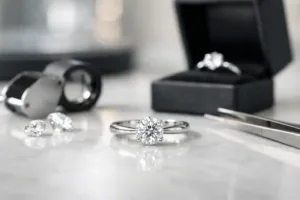
Certified Diamond Engagement Rings Explained
Learn what certified diamond engagement rings mean, how grading works, and what to check before you buy for confidence, value and lasting peace.
We Buy Gold . Top Prices Paid .
7 Day Price Promise .
30 Day Returns
Free World Wide Shipping
Life Time Warranty
We Buy Gold . Top Prices Paid .
7 Day Price Promise .
30 Day Returns
Free World Wide Shipping
Life Time Warranty

+44 203 965 6669
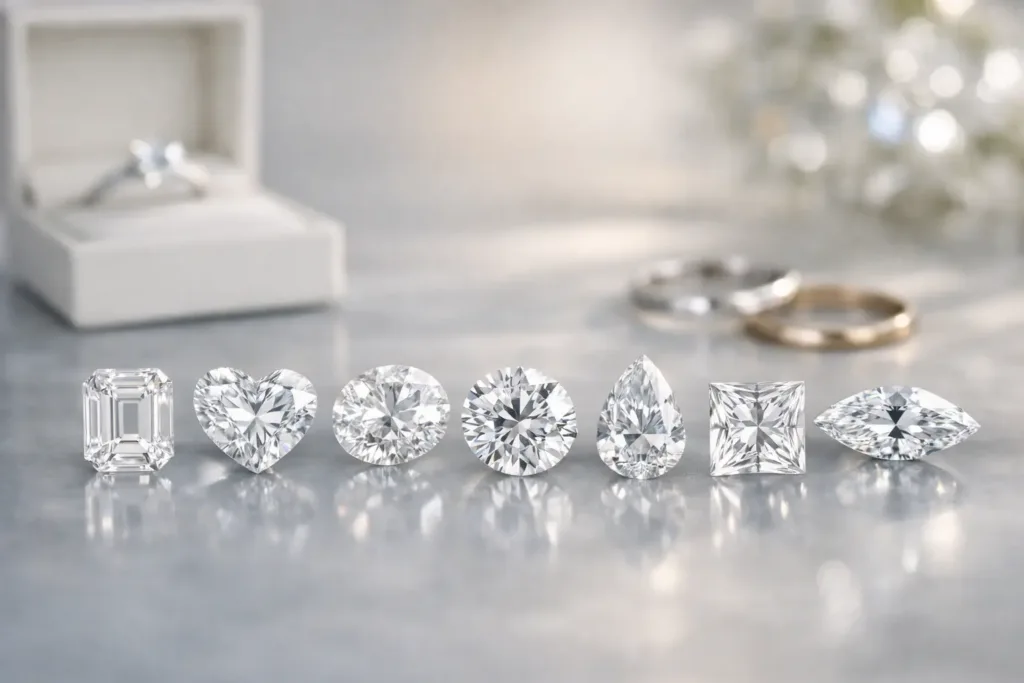
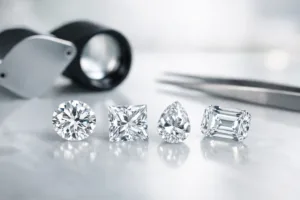
Choosing between round, oval, cushion or emerald is not just a style decision. A proper diamond shape comparison helps you balance sparkle, finger coverage, durability, setting style and budget before you commit to a ring you may wear for life.
For many buyers, shape is the first choice that narrows everything else. It changes how large a diamond appears, how much brilliance you see in everyday light, and even how practical the ring feels over time. Two diamonds with the same carat weight can look noticeably different simply because the shape distributes weight in different ways.
Shape is often confused with cut, but they are not the same. Shape refers to the outline of the stone – such as round, oval, pear or princess. Cut refers to how well the diamond’s facets are proportioned and finished. You can compare shapes for appearance and wearability, but cut quality still has a major effect on beauty.
This matters because the right shape depends on what you value most. If your priority is maximum sparkle, one answer tends to stand out. If you want a larger visual presence for your budget, another shape may make more sense. If you prefer clean, elegant lines over brilliance, your choice shifts again.
A good comparison is less about naming a best shape and more about finding the best fit for your lifestyle, taste and budget.
Round brilliant diamonds remain the benchmark for sparkle. Their facet pattern is designed for strong light return, which is why they are often chosen for engagement rings where brilliance is the top priority. They also suit almost every setting style, from classic solitaires to more elaborate halo designs.
The trade-off is price. Round diamonds generally command a premium because demand is high and more rough diamond is often lost during cutting. If you want the brightest look and timeless appeal, many buyers feel the premium is justified.
Oval diamonds offer impressive brilliance with a softer, elongated outline. They can make the finger appear longer and slimmer, and they often look larger than round diamonds of the same carat weight because of their surface spread.
That said, some oval diamonds show a bow-tie effect across the centre. A slight bow-tie can be normal, but if it is too dark or distracting, it can affect the stone’s appearance. Careful selection matters here.
Cushion cut diamonds blend a romantic shape with a softer, pillowy outline. Depending on the facet style, they can range from crushed-ice sparkle to broader flashes of light. They are a strong choice for buyers who want something classic but not as expected as a round diamond.
Cushions vary widely, so they reward close comparison. Two cushions can look very different even with similar specifications, which is why visual assessment is especially important.
Princess cut diamonds are known for sharp lines and lively sparkle. Their square shape gives a clean, modern look, and they often offer strong brilliance at a more accessible price point than round diamonds.
The corners need protection, though. In a ring worn daily, a secure setting is important to reduce the risk of damage. For buyers who like crisp geometry, princess cuts remain a popular option.
Emerald cut diamonds are all about elegance rather than intense sparkle. Their long step facets create flashes of light instead of a glittering effect, and the open table gives a refined, hall-of-mirrors appearance.
This shape tends to show inclusions and body colour more easily than brilliant cuts. That does not make it less desirable – it simply means clarity and overall stone quality are more visible. For buyers who appreciate understated luxury, emerald cuts are hard to beat.
Pear and marquise diamonds create strong finger coverage and a distinctive silhouette. Both can appear larger than their carat weight suggests, which appeals to buyers who want visual impact.
They are also more directional shapes, which means personal taste matters more. Some people love their dramatic elegance, while others prefer a more balanced outline like oval or round. Symmetry is especially important with both shapes.
In a diamond shape comparison, visual size often matters as much as carat weight. Elongated shapes such as oval, pear and marquise usually look larger face-up than round diamonds of the same weight. Emerald cuts can also appear generous because of their broad, open surface.
Round diamonds typically carry more depth, which contributes to their brilliance but can reduce apparent size. If your goal is to maximise how large the diamond looks without simply increasing carat, shape can make a meaningful difference.
This is where expectations should stay realistic. A shape that looks bigger may not sparkle in the same way as a round brilliant, and the best value depends on what kind of beauty you notice first.
Round brilliant diamonds are usually the most expensive shape on a like-for-like basis. Their popularity and cutting yield both contribute to that. Fancy shapes – meaning any non-round shape – can often offer better value per carat.
Oval, cushion, princess and pear shapes are frequently chosen by buyers who want a strong balance of beauty and budget. Emerald cuts can also represent good value, although they require careful clarity selection because inclusions are easier to see.
Price should not be judged by shape alone. Certification, cut quality, colour, clarity and fluorescence all influence value. Still, if budget is a key factor, moving from round to a well-chosen fancy shape can be a smart decision.
A diamond should work with daily wear, not just look good in a box. Shape affects how practical the ring feels and how secure the stone needs to be.
Round and oval shapes are generally versatile and forgiving for everyday wear. Their softer outlines suit many settings and wardrobes. Princess, pear and marquise diamonds have pointed corners or tips, so they benefit from protective claws. Emerald cuts have trimmed corners, which helps, but their large table means they show dust and marks more readily than some buyers expect.
Setting style also changes the final look. A halo can make almost any centre stone appear larger. A solitaire keeps attention on shape. A trilogy setting can soften a modern shape or sharpen a classic one, depending on the side stones chosen.
For bespoke rings, this is where expert guidance adds real value. The right setting can improve not just the look of the diamond but also its long-term wearability.
Round brilliant remains the safest classic choice. Cushion also works well if you want softness and romance without stepping too far from tradition.
Emerald and princess cuts both feel clean and architectural. Emerald is more refined and understated, while princess offers more sparkle.
Oval, pear and marquise are strong contenders. They create length and presence without always requiring a higher carat weight.
Oval, cushion and princess cuts often strike the right balance between visual impact and price. The exact answer depends on the individual stone rather than shape alone.
One of the biggest mistakes is comparing shapes by certificate details alone. Measurements matter. A 1.00ct oval and a 1.00ct round will not face up the same way, so carat weight by itself tells only part of the story.
Another mistake is ignoring the effect of setting and hand shape. A diamond that looks perfect in isolation may feel too narrow, too wide or too sharp once worn. Trying on different styles, or at least comparing dimensions carefully, makes the decision far easier.
Finally, do not assume every diamond within a shape category looks the same. Ovals can be more rounded or more elongated. Cushions can be square or rectangular. Emerald cuts can vary in proportion and presence. The finer details matter.
Start with what matters most to you: sparkle, size, shape, price or overall style. Narrow your options to two or three shapes, then compare actual stones within those categories rather than chasing an abstract ideal.
For engagement ring buyers, confidence usually comes from seeing the trade-offs clearly. Round gives exceptional brilliance but often at a premium. Oval gives presence and softness. Emerald gives sophistication but asks for better clarity. Princess gives structure and sparkle, while cushion sits comfortably between vintage charm and everyday versatility.
At Hispek Diamonds, this is often where buyers move from browsing to choosing with purpose. When shape, certification, setting and budget are considered together, the decision feels far less overwhelming.
The best diamond shape is the one that still feels right after the excitement settles – the one you can wear every day with complete confidence.
Learn what certified diamond engagement rings mean, how grading works, and what to check before you buy for confidence, value and lasting peace.
Learn how to buy ethical sourcing diamond jewellery with confidence, from certification and traceability to lab-grown and natural diamond choices.
Understand uk hallmarking on gold jewellery, what each stamp means, legal standards, and how hallmarks help you buy genuine gold with confidence.
Learn what are the 4Cs of diamonds – cut, colour, clarity and carat – and how to balance them for brilliance, beauty and value.
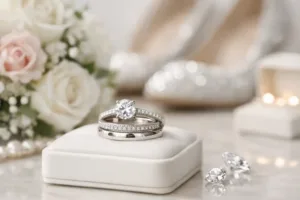
Our bridal set rings guide explains matching styles, metals, diamond choices, fit and value, so you can buy with clarity and confidence.
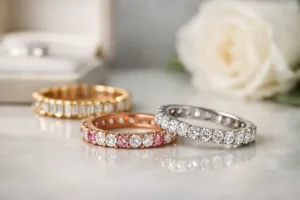
Understand eternity ring meaning and styles, from full and half-set designs to diamond choices, metals, fit, and when to give one.