
Should I Buy a Lab Grown Diamond Engagement Ring for my Partner ?
Choosing an engagement ring is one of the most meaningful purchases you will ever make. Alongside style, budget and diamond quality.
We Buy Gold . Top Prices Paid .
7 Day Price Promise .
30 Day Returns
Free World Wide Shipping
Life Time Warranty
We Buy Gold . Top Prices Paid .
7 Day Price Promise .
30 Day Returns
Free World Wide Shipping
Life Time Warranty

+44 203 965 6669
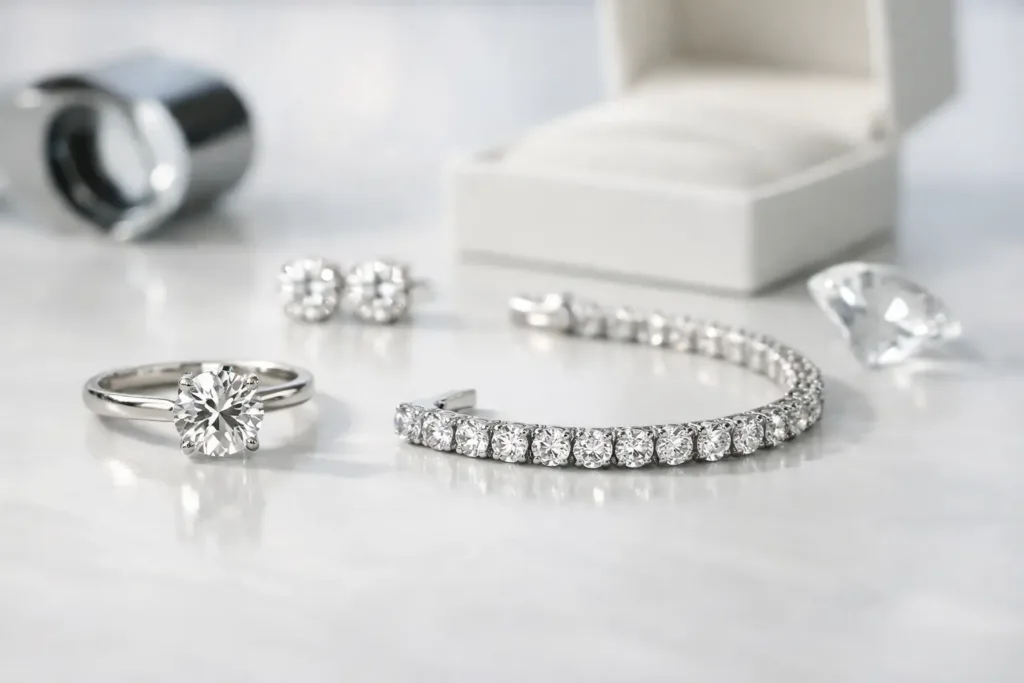
The difference between a piece you wear for years and one that sits in a box usually comes down to how well it was chosen at the start. If you are wondering how to choose lab diamond jewellery, the right approach is to look beyond size alone and focus on quality, certification, design, metal and how the piece will fit into real life.
Lab diamond jewellery has become a serious option for engagement rings, wedding jewellery, occasion pieces and everyday luxury. For many buyers, the appeal is clear. You can often achieve a larger or better-quality diamond for the same budget, while also choosing a stone that aligns with modern preferences around sourcing and transparency. That said, not all pieces offer the same standard, and buying well matters just as much here as it does with natural diamonds.
Start with the diamond itself, but do not stop there. A beautiful lab-grown diamond can still disappoint if the setting is weak, the proportions are poor, or the metal is not right for the wearer. The best purchases balance diamond quality with craftsmanship, comfort and long-term wear.
A lab-grown diamond is a real diamond with the same essential properties as a mined one. It is not a simulant like cubic zirconia or moissanite. That distinction matters, especially when you are buying a high-value piece and expect proper sparkle, durability and certification. Premium lab diamond jewellery should always be described clearly and sold transparently, without vague wording.
If you only prioritise one diamond characteristic, make it cut. Cut has the biggest effect on how lively and bright a diamond looks. A well-cut stone reflects light properly and gives you the crisp sparkle most buyers want. A larger diamond with a poor cut can look dull, while a slightly smaller but better-cut diamond often appears more impressive on the hand or at the neck.
This is especially important online, where buyers can be tempted by carat weight first. Carat matters, but not in isolation. Two lab diamonds of the same weight can look very different depending on cut quality, depth and table proportions. If brilliance matters to you, choose the best cut your budget allows.
Once cut is covered, consider carat, colour and clarity in a balanced way. There is no single perfect formula because it depends on the jewellery type, setting style and your budget.
For engagement rings, many buyers prefer a near-colourless diamond that looks bright in most lighting without paying for a grade difference that is difficult to spot once set. With clarity, eye-clean is usually the smart target. In simple terms, that means inclusions are not visible without magnification. Paying a premium for a higher clarity grade may not always improve what you actually see.
Carat should be chosen with proportion in mind. A large centre stone can look striking, but only if it suits the finger, setting and lifestyle of the wearer. On earrings or pendants, the ideal size may differ again. Stud earrings, for example, often benefit from matching and brightness over chasing the highest possible weight.
When deciding how to choose lab diamond jewellery, certification is one of the clearest trust markers. A certified stone gives you independent confirmation of the diamond’s characteristics. That means more confidence in what you are paying for and better transparency if you are comparing pieces.
Look for recognised grading from respected gem laboratories. For higher-value jewellery, this is not an optional extra. It is part of responsible purchasing. Retail descriptions such as premium, excellent or exceptional can sound reassuring, but they should never replace proper documentation.
For finished jewellery, craftsmanship matters just as much as the certificate. Check whether the piece is hallmarked where required, whether the diamond details are clearly stated, and whether aftercare support is available. A premium purchase should come with reassurance around quality, not just attractive photography.
The metal changes the look of lab diamond jewellery more than many buyers expect. White gold and platinum create a clean, contemporary finish and tend to emphasise a diamond’s brightness. Yellow gold offers warmth and a more classic contrast. Rose gold can feel softer and more individual.
Your choice should also reflect how the jewellery will be worn. Platinum is dense and durable, which makes it a strong option for engagement rings and everyday pieces. Gold remains a timeless choice, but different purities wear differently. If the piece is for regular use, durability should sit alongside appearance.
Skin tone and existing jewellery can also guide the decision. If someone wears mostly yellow gold already, introducing a white metal engagement ring may not always feel natural to them. Matching the wearer’s wider style often leads to a better long-term choice than following a short-term trend.
A lab diamond tennis bracelet, solitaire pendant and halo engagement ring may all feature excellent stones, but they serve different purposes. The right piece depends on what you need it to do.
For bridal jewellery, timeless shapes usually offer the best longevity. Solitaires, classic halos and elegant wedding bands tend to age well and remain easy to wear. For gifting, sentiment and versatility matter more. A pendant or pair of diamond studs may offer broader everyday wear than a more statement-led design.
If you are buying for yourself, think honestly about your routine. Do you want something you can wear daily at work, at events and on weekends, or are you looking for a special piece for occasional use? Jewellery that suits your lifestyle gets worn more often and usually feels like better value.
A beautiful design still needs to be practical. Claw settings, bezel settings, halos and pavé details all create different looks, but they also vary in maintenance and feel. A high-set ring can make a centre stone stand out, yet it may catch more often if you lead an active lifestyle. A lower-profile setting may be easier for daily wear.
The same applies to earrings, bracelets and necklaces. Clasps should feel secure. Earrings should sit comfortably. Chains should suit the weight of the pendant. If a piece is intended as affordable luxury for everyday wear, comfort is not a minor detail. It is part of quality.
One of the main reasons buyers choose lab diamond jewellery is value. In many cases, you can buy a more substantial or higher-grade diamond compared with a natural equivalent. That can be a genuine advantage, especially if you want a strong visual result within a set budget.
Still, low price alone should not be the goal. The cheapest option may involve compromises in cut, certification, setting quality or after-sales support. Value means getting a well-made piece with verified specifications, reliable service and a design worth wearing long term.
This is where transparent pricing matters. You should be able to understand what influences the cost, from the diamond grades and metal choice to the complexity of the setting. If a retailer cannot explain the difference between two similar-looking pieces, that is a warning sign.
Sometimes the best answer is not choosing from a ready-made design but refining one. Bespoke lab diamond jewellery is particularly useful if you have a clear vision, a specific budget, or want to combine elements from different styles.
This can work well for engagement rings, matching bridal sets and meaningful gifts. It allows you to prioritise where your money goes. You may decide to put more into the centre stone and keep the setting minimal, or choose a more intricate design with a slightly lower carat weight. Neither approach is automatically better. It depends on what matters most to the wearer.
A good jeweller should guide those choices clearly and without pressure. That kind of expertise is often what separates a confident purchase from an expensive guess.
Before making a decision, review the details you might otherwise rush past. Confirm the diamond grading, the metal type, the finger size or dimensions, and the returns policy. If the piece is a gift or engagement ring, delivery timing matters too, especially for custom orders.
It is also worth asking what support comes after purchase. Ring sizing, repairs, valuations and long-term care all add practical value. Premium jewellery is not only about the moment you open the box. It is about how well the piece is supported afterwards.
For buyers who want reassurance as much as beauty, that full picture matters. A trusted retailer such as Hispek Diamonds should be able to offer certified quality, straightforward guidance and service that matches the importance of the purchase.
The best lab diamond jewellery does not simply look impressive on the day it arrives. It feels right every time it is worn, because the quality, design and value were chosen with care from the beginning.
Choosing an engagement ring is one of the most meaningful purchases you will ever make. Alongside style, budget and diamond quality.

Our lbma gold bar review explains what UK buyers should check on purity, premiums, storage and resale before choosing investment gold.
Learn how to customise an engagement ring with confidence, from diamond shape and setting to metal, budget, certification and final finish.

Shop 22k gold bangles for brides with confidence. Compare styles, weights, sizing and finish to find timeless bridal gold with lasting value.

Diamond shape comparison for ring buyers: compare sparkle, size, price and style across round, oval, princess and more with expert guidance.
Shop mens wedding rings with confidence. Compare metals, widths, finishes and fit to find a timeless ring with lasting value and comfort.