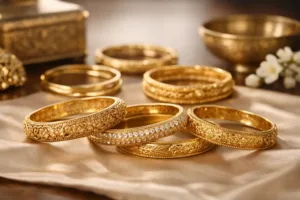
Best Asian Gold Bangles: A Buyer’s Guide
Find the best Asian gold bangles for everyday wear, weddings and gifts. Compare 22K purity, designs, fit, hallmarking and lasting value with confidence.
We Buy Gold . Top Prices Paid .
7 Day Price Promise .
30 Day Returns
Free World Wide Shipping
Life Time Warranty
We Buy Gold . Top Prices Paid .
7 Day Price Promise .
30 Day Returns
Free World Wide Shipping
Life Time Warranty

+44 203 965 6669

A men’s wedding band is one of the few pieces of jewellery worn every day, so getting it right matters. This wedding bands for men guide is designed to make that decision clearer – not by overcomplicating it, but by focusing on what affects comfort, durability, style and long-term value.
For some buyers, the ring needs to feel traditional and understated. For others, it needs to work with a watch collection, a physical job, or a preference for modern finishes and mixed metals. The best choice is rarely about trends alone. It is about how the ring will look and perform after years of daily wear.
When choosing a men’s wedding ring, four things usually matter more than anything else: metal, profile, width and finish. Price matters too, but the lowest upfront cost is not always the best value if the ring scratches easily, feels uncomfortable, or does not suit your lifestyle.
A wedding band should feel secure without being restrictive. It should also complement your personal style rather than fighting against it. A slim polished band can look elegant and timeless, while a broader ring with a brushed finish can feel more contemporary and masculine. Neither is better in every case. It depends on hand shape, day-to-day wear and how noticeable you want the ring to be.
The metal sets the tone for the ring’s appearance, weight and durability. It also affects maintenance over time.
Gold remains the classic choice for a reason. It offers warmth, prestige and a timeless finish that suits both traditional and modern designs. For men’s bands, yellow gold, white gold and rose gold each create a distinct look.
Yellow gold is the most recognisable and often the most traditional. It pairs especially well with warmer skin tones and classic styling. White gold gives a cleaner, cooler appearance and is often chosen by men who prefer a more contemporary look. Rose gold is less conventional but increasingly popular for its richer tone and distinctive character.
Purity matters. Higher gold content means a richer colour, but also a softer metal. A 9ct or 14ct gold band can be practical for everyday wear because it is generally harder than 18ct gold. An 18ct ring offers a more luxurious finish and higher gold content, but it may show wear a little sooner. That does not make it a poor choice – only one that suits buyers who prioritise premium feel and colour.
Platinum is a premium option that appeals to buyers who want strength, rarity and a naturally white finish. It is denser than gold, so it feels weightier on the hand. Many men like that substantial feel because it gives the ring presence without needing extra design detail.
Platinum develops a patina over time rather than simply looking worn. Some see that as part of its character. Others prefer occasional refinishing to restore a brighter surface. It is usually more expensive than gold, but for buyers who want a durable precious metal with excellent long-term appeal, it remains one of the strongest choices.
Sterling silver can be attractive and more affordable, but it is softer and generally less suitable for a ring that will be worn every day for decades. Alternative metals can offer a different look and lower price point, but precious metals tend to remain the preferred choice for wedding jewellery because of their heritage, resale value and prestige.
For many buyers, a hallmarked gold or platinum band gives greater reassurance. That matters when the purchase marks a major life moment and is expected to last.
A ring can look excellent in a product image and still feel wrong on the hand. This is where width and profile become important.
Narrower bands, usually around 3mm to 5mm, feel lighter and more understated. They often suit slimmer fingers and buyers who are not used to wearing jewellery. Wider bands, around 6mm to 8mm and above, make more of a statement and can look particularly balanced on broader hands.
There is no fixed rule. A wider ring can feel more substantial and premium, but it also takes up more space on the finger. If comfort is your main priority, trying similar widths before ordering is often worthwhile.
Court-shaped bands are rounded on the outside and inside, making them one of the most comfortable traditional options. Flat profiles create a cleaner, more modern line. Bevelled edges add subtle structure and can make a simple band feel sharper and more architectural.
Comfort-fit interiors are especially worth considering for men who have never worn a ring before. A slightly rounded inner edge can make everyday wear noticeably easier, particularly with wider bands.
Finish has a bigger effect on style than many buyers expect. A polished band reflects more light and feels dressier. It is classic, formal and easy to appreciate. The trade-off is that fine scratches can appear more quickly.
Brushed, matt and satin finishes are popular for men’s wedding bands because they offer a more understated, contemporary appearance. They can disguise small signs of wear better than a high polish, although they may need professional refinishing over time to maintain an even texture.
Some men prefer a ring with subtle detailing, such as milgrain edges, two-tone metal, or a central groove. Others want complete simplicity. If you wear a watch in steel, white gold or platinum can feel naturally coordinated. If your preference leans warmer, yellow or rose gold may sit better with the rest of your jewellery.
Diamond-set men’s bands are another option, especially for buyers who want a ring that stands out. In that case, certified stones and secure setting quality matter. The look can be refined rather than flashy when done well.
This is the part many buyers skip, and it is often where the best decision is made.
If you work with your hands, go to the gym regularly, or handle tools and equipment, durability and practicality should lead the choice. A lower-profile design without raised details may be easier to wear. A finish that hides minor marks can also make sense.
If your job is office-based and your style is more formal, you may have greater freedom to choose a polished finish or a softer, richer metal colour. If you travel often or buy jewellery online, reliable sizing guidance, hallmarking and aftercare support become even more valuable.
There is also the question of whether you want the ring to feel discreet or noticeable. Some men want a band they barely think about once it is on. Others want it to carry visible presence. Neither approach is more correct. It comes down to preference and how the ring fits into your everyday life.
A men’s wedding band can range from relatively modest to distinctly premium, depending on metal, weight and design. Price is influenced by more than appearance. Hallmarked precious metal content, craftsmanship, finish quality and customisation all play a part.
A heavier platinum ring will usually cost more than a lighter gold band, but it may also deliver the substantial feel some buyers want. A plain polished design can be excellent value if the metal quality and finish are right. Bespoke work, engraving and mixed-metal construction naturally increase cost, but they also create a more personal piece.
This is where transparent pricing matters. For a purchase like this, buyers should expect clarity around metal purity, certifications where relevant, sizing support, returns policy and warranty. Those trust signals are not extras. They are part of buying with confidence.
Finger size can change with temperature, time of day and activity. A ring that feels perfect first thing in the morning may feel tighter later on. That is why professional sizing, or at least careful sizing support, is so important.
A good fit should slide on with slight resistance and come off without discomfort. Too loose, and the ring may turn or feel insecure. Too tight, and everyday wear becomes frustrating. Wider bands often need a slightly different fit from narrow ones because they cover more of the finger.
If you are buying online, choose a retailer that offers clear guidance and support with resizing if needed. Hispek Diamonds places particular emphasis on reassurance, hallmarking and aftercare, which is exactly the kind of support many buyers want when purchasing a ring they intend to wear for life.
Bespoke is worth considering if standard styles feel close, but not quite right. You may want a specific width, a rare metal combination, a personalised engraving, or a design that matches a partner’s ring without being identical.
Custom work is especially useful for buyers who know what they do not want but have not found the exact answer in ready-made collections. The process takes longer, and the price may be higher, but the result can be more satisfying because it is built around your preferences rather than adjusted afterwards.
A wedding band does not need to shout to feel special. The right one usually earns its place through comfort, confidence and lasting quality. Choose the ring that still makes sense after the ceremony, after the photographs, and years into daily wear – that is when good buying decisions really show their value.
Find the best Asian gold bangles for everyday wear, weddings and gifts. Compare 22K purity, designs, fit, hallmarking and lasting value with confidence.
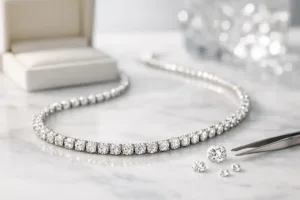
Our diamond tennis necklace guide explains carat weight, diamond quality, length and setting, helping you choose a certified necklace with confidence.
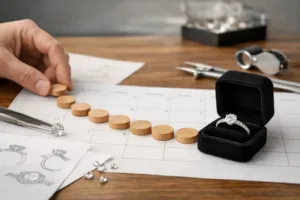
A custom engagement ring timeline example, from consultation and design approval to diamond sourcing, craftsmanship, hallmarking and delivery in the UK.
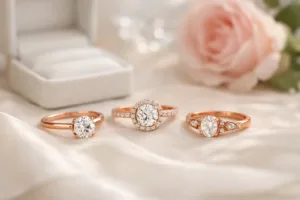
Choose rose gold engagement rings with confidence. Compare alloys, diamond colours, settings and care for a timeless, certified ring made for daily wear.
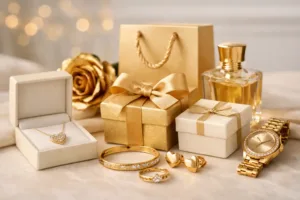
Find the best gold gifts for her, from timeless earrings to 22K gold and diamond designs, with practical advice on purity, style and lasting value daily.
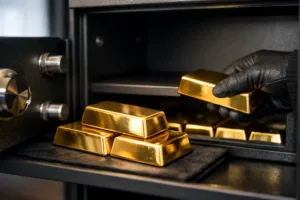
Learn how to store gold bars securely at home or in a vault, with practical advice on insurance, documentation, privacy and protecting resale value safely.