How to Choose Rose Gold Engagement Rings
Choose rose gold engagement rings with confidence. Compare alloys, diamond colours, settings and care for a timeless, certified ring made for daily wear.
We Buy Gold . Top Prices Paid .
7 Day Price Promise .
30 Day Returns
Free World Wide Shipping
Life Time Warranty
We Buy Gold . Top Prices Paid .
7 Day Price Promise .
30 Day Returns
Free World Wide Shipping
Life Time Warranty

+44 203 965 6669
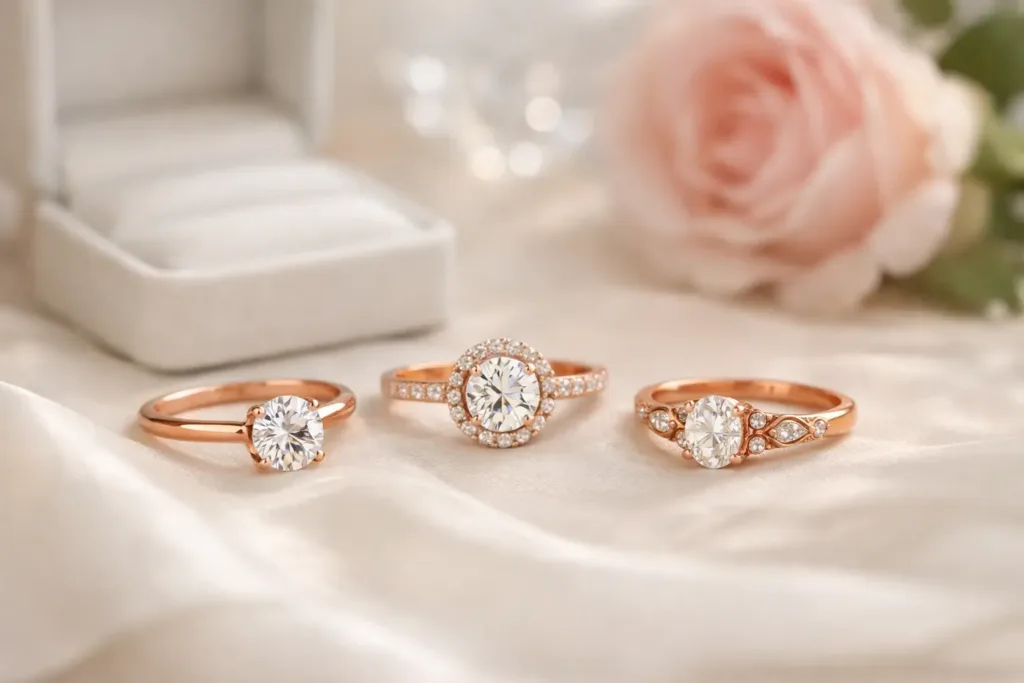
A rose gold ring can feel quietly distinctive without stepping too far from tradition. Its warm, blush-toned metal flatters a wide range of skin tones, brings out the character of a diamond and offers a romantic alternative to yellow gold, white gold or platinum. For couples choosing rose gold engagement rings, the appeal lies in that balance: a meaningful, timeless piece with a little more personality.
The right ring is not simply the one that looks best in a photograph. Its metal alloy, stone shape, setting height and everyday practicality all deserve consideration. A considered choice will look beautiful on the hand now and remain a pleasure to wear for decades.
Rose gold is created by blending pure gold with copper and, in many alloys, a small amount of silver. Copper is what gives the metal its recognisable pink warmth. The precise shade can vary slightly between manufacturers, from a subtle champagne blush to a richer rosy hue, depending on the alloy and gold purity.
Unlike white gold, which is often rhodium plated for a bright white finish, rose gold has its colour throughout the metal. It does not rely on plating to create its signature appearance. That makes it a particularly appealing option for someone who wants a warm, low-fuss metal with an individual character.
Its colour also creates a beautiful contrast with diamonds. Colourless diamonds can appear especially bright against a rose gold band, while slightly warmer diamonds often look harmonious rather than noticeably tinted. This can give buyers more flexibility when balancing diamond specifications and budget.
For an engagement ring intended for regular wear, 18K and 9K rose gold are both popular choices in the UK. Each offers a different mix of gold content, colour and durability.
An 18K rose gold ring contains 75% pure gold, with the remaining metal content forming the alloy. It has a rich, luxurious appearance and is a strong choice for those who value a higher gold content. Its warmth tends to feel more refined and less stark than lower-carat alternatives.
Because gold is naturally soft, 18K jewellery benefits from sensible care, particularly with delicate settings or a very fine band. It is still well suited to everyday wear when expertly made, but the wearer should remove it for gym sessions, heavy lifting, gardening and household tasks involving chemicals.
At 37.5% pure gold, 9K rose gold is generally more affordable and can be a practical choice for an active lifestyle. Its greater proportion of alloy metals can create a slightly stronger, more copper-toned colour. For many couples, it delivers the desired rose gold look while allowing more of the budget to go towards the centre diamond or bespoke design.
Neither option is automatically better. An 18K ring may be the preferred choice for a premium feel and higher gold content, while 9K can offer excellent value and day-to-day resilience. Whichever purity you choose, look for the appropriate UK hallmark as confirmation of precious metal fineness.
Almost every diamond shape works with rose gold, but the overall effect changes according to the cut and setting. Round brilliant diamonds are an enduring favourite because their exceptional sparkle offsets the warmth of the metal. They suit solitaire, halo and three-stone designs equally well.
Oval, pear and marquise diamonds are particularly striking in rose gold. Their elongated outlines create an elegant look on the finger, while the warm metal brings a softer, romantic quality to their silhouette. Emerald-cut and radiant-cut diamonds offer a more contemporary result, especially when paired with a clean, minimal band.
Diamond colour should be considered alongside the setting rather than in isolation. In a rose gold solitaire, the prongs can reflect a trace of warmth into the stone, which is most noticeable in larger diamonds. Choosing white gold or platinum prongs around the centre diamond is a useful design option for buyers seeking the brightness of rose gold on the band with a more neutral frame around the stone.
A certified natural diamond or certified lab-grown diamond gives you clear information about the stone’s key qualities, including cut, colour, clarity and carat weight. Lab-grown diamonds can offer a larger or higher-specification stone at a lower price point, while natural diamonds remain valued for their geological rarity and enduring heritage. The right choice depends on personal priorities, not a one-size-fits-all rule.
A classic four- or six-claw solitaire lets the rose gold band take centre stage without competing with the diamond. It is a versatile choice for someone who wants a traditional engagement ring with a warmer finish. Six claws offer added security and create a rounded, flower-like outline around a round diamond; four claws show slightly more of the stone’s shape.
For added brilliance, a halo setting surrounds the centre stone with smaller diamonds. Rose gold gives this style a softer, more vintage-inspired feel, especially with a cushion-cut or oval centre diamond. It can also make the centre stone appear larger, although halos need careful cleaning to keep their fine details sparkling.
Three-stone rings carry an appealing sense of symbolism, often associated with a couple’s past, present and future. A central diamond with tapered baguettes or pear-shaped side stones can look particularly elegant in rose gold. For a sleek, contemporary finish, a bezel setting frames the diamond in metal and provides welcome protection around the stone’s edge.
Setting height matters as much as style. A high-set ring can maximise light and create a dramatic profile, but it may catch on knitwear or gloves. A lower setting is often more practical for daily life, particularly for someone who works with their hands or prefers understated jewellery.
An engagement ring is usually only one half of a future ring stack. Before committing to a setting, consider how it will sit beside a wedding band. A straight wedding ring often fits neatly against a raised solitaire, whereas a low-set halo or ornate setting may need a shaped or contoured band to avoid a gap.
This is not a reason to avoid a particular design. It simply means planning ahead. Trying ring profiles together, or choosing a bespoke engagement ring and wedding band as a pair, helps create a considered set rather than an afterthought.
The most impressive ring on paper may not be the one that feels right on the hand. Band width should suit the wearer’s style and finger proportions. A fine band can make a centre diamond look larger and more delicate, while a wider band feels substantial and may suit a bolder aesthetic. Very thin bands can be less suitable for larger stones or intricate settings, as the design needs enough metal to support long-term wear.
Ring size is equally important. Fingers can swell in warm weather and feel smaller in colder months, so professional sizing offers valuable reassurance. If the ring is a surprise, a discreet measurement of an existing ring can provide a useful starting point, though the finger and hand on which it is worn should be checked where possible.
A premium engagement ring should also come with clear aftercare support. Check the certification for the diamond, the hallmark for the metal, the warranty terms and the retailer’s returns and resizing policies. These practical details are part of buying with confidence, not extras to consider later.
Rose gold develops character over time, but it should still be cleaned regularly to maintain its glow. A soft toothbrush, warm water and mild washing-up liquid are usually sufficient for routine cleaning. Rinse carefully and dry with a soft, lint-free cloth.
Avoid chlorine, bleach, abrasive cleaners and harsh jewellery chemicals. Remove the ring before swimming, exercising or applying creams and perfumes. A professional inspection every year or two is sensible, particularly for claw-set diamonds, as it allows a jeweller to check that the stone remains secure.
The best rose gold engagement ring is one that reflects the person wearing it, not a passing trend or a fixed checklist. Whether you choose a delicate solitaire, a diamond-rich halo or a completely bespoke design, prioritise certified quality, sound craftsmanship and a setting that suits real life. At Hispek Diamonds, expert guidance can help turn those choices into a ring that feels personal from the first proposal to every anniversary that follows.
Choose rose gold engagement rings with confidence. Compare alloys, diamond colours, settings and care for a timeless, certified ring made for daily wear.

Find the best gold gifts for her, from timeless earrings to 22K gold and diamond designs, with practical advice on purity, style and lasting value daily.

Learn how to store gold bars securely at home or in a vault, with practical advice on insurance, documentation, privacy and protecting resale value safely.

Lab diamond demand trends in 2025 reflect shifting values on price, design and ethics, with buyers comparing certification, quality and resale.
Learn how to buy 22k gold chains with confidence. Compare purity, weight, hallmarking, styles, pricing and fit before you choose.
Wedding jewellery trends 2026 favour personal design, mixed metals, bold pearls and certified diamonds with lasting value for modern couples.