


A Bullion Dealer Comparison for UK Buyers
Use this bullion dealer comparison to assess pricing, product authenticity, delivery, storage and buy-back support before you invest in physical gold.
We Buy Gold . Top Prices Paid .
7 Day Price Promise .
30 Day Returns
Free World Wide Shipping
Life Time Warranty
We Buy Gold . Top Prices Paid .
7 Day Price Promise .
30 Day Returns
Free World Wide Shipping
Life Time Warranty

+44 203 965 6669
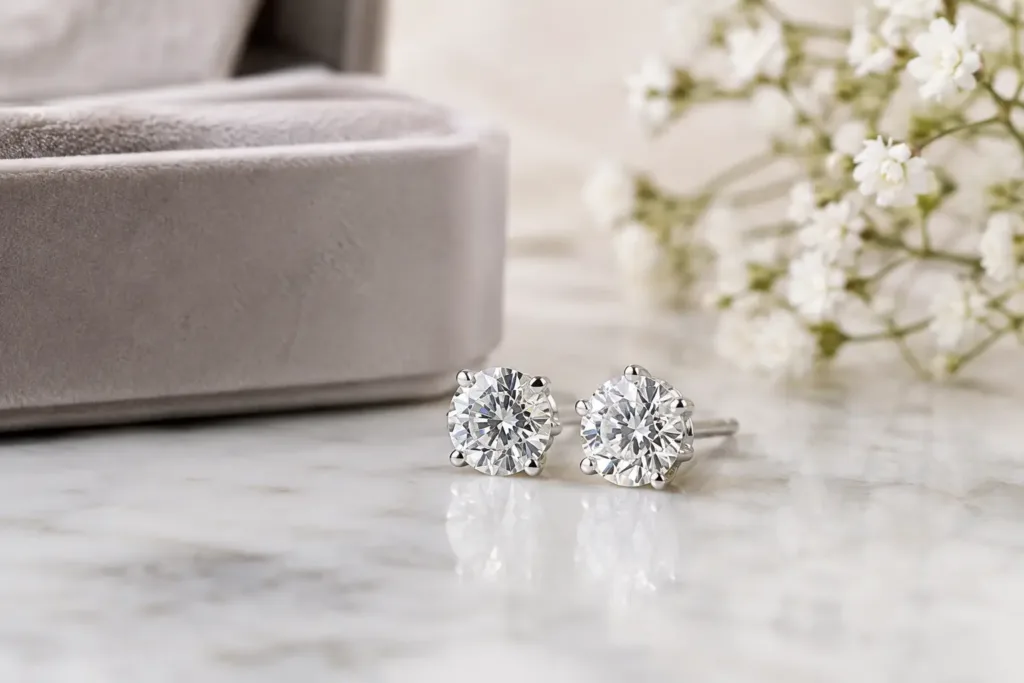
A pair of diamond studs can look effortless, but the right pair is rarely an impulse purchase. They sit close to the face, catch the light with every movement and often become the earrings you wear more than any other piece of jewellery. Knowing how to choose diamond studs means looking beyond the total carat weight and choosing stones, settings and precious metals that suit both your style and daily routine.
For a milestone gift, wedding jewellery or a personal investment in timeless luxury, balance matters. The most expensive specification is not automatically the most beautiful on the ear. A well-cut, responsibly sourced and properly certified pair, set securely in a metal you love, will offer far more lasting enjoyment.
Begin with the look you want to achieve. Diamond studs are available in many sizes, but a pair should feel proportionate rather than simply large. Carat weight describes the weight of a diamond, not its visible diameter, so always consider the millimetre measurement too. Two diamonds with the same carat weight can look slightly different in size depending on their cut and proportions.
For understated everyday wear, many people choose a total diamond weight of around 0.25ct to 0.50ct. A 1.00ct total weight pair offers a more noticeable, classic fine-jewellery presence, while 2.00ct total weight and above delivers a bolder statement. These are useful starting points, not rules. Ear lobe size, hairstyle and personal preference all influence what feels right.
Set a comfortable budget before comparing options. This allows you to prioritise the qualities that will make the greatest visual difference. For earrings, a beautiful cut and a bright, well-matched pair usually matter more than paying for a clarity grade that cannot be seen without magnification.
Round brilliant diamonds remain the most popular choice for studs because their faceting is designed for exceptional sparkle. They are versatile, timeless and easy to pair with other diamond jewellery.
Fancy shapes provide a more distinctive finish. Oval diamonds can appear larger for their carat weight and create a soft, elongated silhouette. Princess-cut diamonds offer crisp, contemporary geometry, while cushion cuts have a gentler, romantic character. Pear and marquise diamonds can be set vertically or at a slight angle for a less traditional look.
If the earrings are a gift, think about the recipient’s existing jewellery. A wearer drawn to clean, modern lines may prefer princess-cut or emerald-cut studs. Someone with a more classic collection may appreciate round or cushion-cut diamonds. The best choice is one they will reach for repeatedly.
Of the diamond quality factors, cut has the most immediate effect on sparkle. A well-cut diamond returns light beautifully, creating brightness, fire and scintillation. A diamond with a higher carat weight but poor proportions can look duller than a smaller stone cut to a high standard.
For round diamonds, look for Excellent or Very Good cut grades where possible. Fancy-shaped diamonds are assessed differently, so examine their symmetry, overall outline and how evenly they reflect light. Avoid stones with obvious dark areas, known as bow-ties, particularly in oval, pear and marquise shapes.
Diamond studs should also be matched. Ideally, the two stones will be close in carat weight, diameter, colour, clarity and cut quality. A reputable jeweller will pair them carefully so that neither earring appears noticeably whiter, larger or more brilliant than the other.
Colour is graded from D, the most colourless, down through the alphabet as warmth becomes more visible. In diamond studs, G to H colour often represents excellent value: the diamonds appear bright and white when worn, particularly in white gold or platinum settings. Those seeking a premium colourless appearance may prefer D to F.
Clarity measures internal characteristics, known as inclusions, and external features called blemishes. For most studs, VS and SI clarity grades can offer a strong balance between beauty and price, provided the diamonds are eye-clean. This means no inclusions are readily visible to the naked eye from a normal viewing distance.
There are exceptions. Larger diamonds make colour and clarity characteristics easier to notice, so it may be worth selecting higher grades as carat weight increases. Yellow gold can also complement diamonds with a little more warmth, whereas platinum and white gold tend to highlight a colourless appearance. There is no need to overpay for technical grades that do not improve what you see on the ear.
Natural and lab-grown diamonds share the same core physical and optical properties. Both are real diamonds, and both can offer exceptional brilliance. The difference lies in origin: natural diamonds formed within the earth over billions of years, while lab-grown diamonds are created in controlled conditions using advanced technology.
Natural diamonds appeal to buyers who value rarity, geological origin and traditional fine-jewellery heritage. Lab-grown diamonds can make larger sizes or higher quality specifications more accessible within a set budget. For example, choosing lab-grown may allow you to prioritise a larger visible diameter or a higher colour and clarity combination.
The right decision depends on your priorities. Ask for transparent information about the stone’s origin, quality and independent certification. A diamond’s certificate provides an objective record of its characteristics and offers valuable reassurance when purchasing significant jewellery.
The setting affects how much light reaches the diamond, how the earrings look from the side and how securely they can be worn. A four-claw setting is a popular choice because it shows plenty of the diamond while holding it securely. A three-claw, or martini, setting can create a refined floating appearance, although its pointed profile may not suit every ear shape or sleeping preference.
Bezel-set diamond studs surround the edge of the stone with metal. They offer a sleek, contemporary look and excellent protection, making them a practical option for active lifestyles. Halo settings place smaller diamonds around a centre stone, creating the impression of greater size and added brilliance. They can be a wonderful choice for an occasion piece, although they require a little more attention when cleaning.
For earrings worn regularly, consider the fastening as carefully as the diamonds. Butterfly backs are familiar and convenient, but secure screw backs or locking backs provide additional peace of mind, especially for higher-value studs. The best fastening should feel secure without being difficult to manage.
Platinum is naturally white, durable and reassuringly substantial. It is an excellent choice for daily-wear diamond studs, particularly for those with sensitive skin. White gold offers a similarly bright appearance at a more accessible price point, though it may need occasional rhodium plating to maintain its fresh white finish.
Yellow gold adds warmth and traditional richness, while rose gold gives diamond studs a softer, modern romantic feel. For a coordinated jewellery wardrobe, match the metal to the pieces worn most often. If you mix metals confidently, diamond studs are one of the easiest places to do so because their brilliance works beautifully with every tone.
High-value diamond studs should come with clear documentation. For diamonds of a suitable size and value, independent grading reports from recognised laboratories provide confidence in the stated carat weight, cut, colour and clarity. Ask whether the certificate relates to each diamond or the matched pair, and retain all paperwork safely for insurance and future valuation purposes.
In the UK, precious metal jewellery should carry the appropriate hallmark where required. This is a practical trust marker that confirms the fineness of the metal. It is also worth checking the retailer’s returns policy, warranty provision, delivery arrangements and available aftercare before you buy.
A quality pair of studs deserves simple, consistent care. Clean them gently with warm water, mild washing-up liquid and a soft brush, then dry with a lint-free cloth. Have the claws and fastenings checked periodically, particularly if the earrings are worn every day. Avoid wearing them during high-impact exercise, swimming or when applying hairspray and fragrance.
When selecting certified diamond jewellery, Hispek Diamonds can help you compare natural and lab-grown options, diamond specifications and setting styles with clarity. The aim is not to make the decision more complicated, but to ensure your chosen pair feels right from the first wear.
The finest diamond studs are not defined by one number on a certificate. They are the pair that complements the wearer, feels secure enough for real life and continues to look considered years after the box is opened.
Use this bullion dealer comparison to assess pricing, product authenticity, delivery, storage and buy-back support before you invest in physical gold.
To layer 22K gold chains successfully, Hispek Diamonds plans the order before putting anything on. Different lengths create separation, compatible link structures reduce friction, and…
Ethical diamonds explained: understand sourcing, traceability, certification and lab-grown choices before choosing a ring you can wear with confidence.

The security of 22K gold jewellery depends on more than the main chain, bracelet or bangle. Clasps close the piece, hinges control opening points, and…
Learn how to choose anniversary rings with the right metal, diamond setting, fit and budget for a meaningful piece you will wear with confidence for years.
When you choose a 22K gold necklace and earring set, we recommend starting with the space created by your neckline. That space determines where the…