

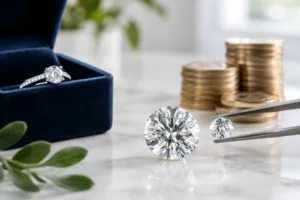
Do Lab Diamonds Hold Value? A Clear UK Guide
Do lab diamonds hold value over time? Learn about resale, pricing, certification and choosing a lab-grown diamond with confidence in the UK before buying.
We Buy Gold . Top Prices Paid .
7 Day Price Promise .
30 Day Returns
Free World Wide Shipping
Life Time Warranty
We Buy Gold . Top Prices Paid .
7 Day Price Promise .
30 Day Returns
Free World Wide Shipping
Life Time Warranty

+44 203 965 6669

A diamond can look exceptional in a photograph yet feel very different once it is on the hand. That is why a considered lab grown diamond review guide should look beyond the headline carat weight and price. For an engagement ring, anniversary gift or personal piece of fine jewellery, the right choice is the stone that delivers beautiful light performance, reassuring documentation and a setting made to last.
Lab-grown diamonds are real diamonds with the same core chemical composition and crystal structure as mined diamonds. They are not simulants such as cubic zirconia or moissanite. The meaningful differences sit in origin, availability, price and, for many buyers, long-term resale expectations. Understanding those distinctions makes it far easier to buy with confidence.
A worthwhile review begins with the 4Cs: cut, colour, clarity and carat weight. These factors apply to both natural and lab-grown diamonds, but they should not be weighed equally. Cut is usually the deciding factor in how bright, lively and impressive a diamond appears. A well-cut 1.50-carat stone can often look more captivating than a larger diamond with weak proportions.
For round brilliant diamonds, look for balanced proportions, strong symmetry and polish, and an overall appearance that is bright across the face of the stone. In fancy shapes such as oval, pear, emerald and radiant cuts, inspect the actual diamond rather than relying only on its grade. Ovals and pears can show a dark bow-tie through the centre; emerald cuts make inclusions and colour more visible because of their open, step-cut facets.
Colour preferences depend on the setting and your personal taste. A colourless D to F diamond offers a crisp, icy appearance, while G to H can look beautifully white in platinum or white gold at a more accessible price point. Yellow or rose gold settings can complement a slightly warmer stone particularly well. Paying for the highest colour grade is not always necessary when the difference is difficult to see once the diamond is set.
Clarity should also be judged with the eye, not the certificate alone. VS and VVS clarity diamonds are often visually clean, but an eye-clean SI stone may offer excellent value if inclusions are not visible without magnification and do not affect durability. Be more cautious with inclusions near the edge of a stone, particularly in pointed shapes such as pear and marquise diamonds.
Carat weight describes weight rather than visible size. Two diamonds of the same carat weight may have different face-up measurements depending on their cut and proportions. Compare millimetre dimensions as well as carat weight, especially when shopping for elongated ovals, emerald cuts or radiant cuts.
A certified lab-grown diamond should be accompanied by an independent grading report. This confirms that the stone has been assessed as laboratory-grown and records its key characteristics, including measurements, cut information where applicable, colour, clarity and carat weight. The report number is commonly laser-inscribed on the diamond’s girdle, allowing it to be matched to its documentation.
Reputable laboratories grade lab-grown diamonds using standards designed for this category. Review the report carefully, then use it as a basis for comparing diamonds rather than treating it as a guarantee that every stone with the same grades will look identical. Two diamonds with matching certificates can differ in transparency, scintillation and the way they perform in varied lighting.
Ask to see clear images and, where available, video taken under neutral lighting. This is particularly valuable for larger stones and fancy cuts. A premium purchase deserves clear information before it reaches your door.
It is also sensible to distinguish between diamond certification and jewellery hallmarking. A diamond grading report relates to the stone. In the UK, a hallmark confirms the precious metal content of an item of jewellery where hallmarking requirements apply. Both are valuable signs of transparency, but they serve different purposes.
Lab-grown diamonds are generally created using either High Pressure High Temperature, known as HPHT, or Chemical Vapour Deposition, known as CVD. Neither method is automatically superior for every buyer. Both can produce attractive, high-quality diamonds, and both require expert grading and careful selection.
Some lab-grown diamonds receive post-growth treatment to improve colour or appearance. Treatment is not inherently a reason to reject a diamond, provided it is properly disclosed and reflected in its documentation. What matters is honest description, appropriate pricing and confidence that you understand the stone you are buying.
Lab-grown diamonds can offer significantly more size or higher specifications for the same budget than a comparable natural diamond. For couples who want a larger centre stone, a refined three-stone design or a statement tennis bracelet without stretching their budget, that can be compelling value.
They are also a practical choice for buyers who prioritise visual impact over rarity. The same budget may move from a modest carat weight to a diamond with more presence on the hand, or allow room for a platinum setting, a wedding band or thoughtful bespoke details.
The trade-off is that lab-grown diamonds should not be bought primarily as an investment. Their pricing has changed as production has become more widely available, and resale values can be lower and less predictable than for exceptional natural diamonds. Fine jewellery can hold deep emotional value and deliver years of wear, but it is wise to separate that from an expectation of financial return.
If long-term rarity, collectability and resale potential are central to your decision, a natural diamond may suit your priorities better. If your focus is certified quality, contemporary luxury and maximum beauty for your budget, a lab-grown diamond can be an excellent choice. There is no universal winner – only the option that fits the occasion and your values.
The setting influences how a lab-grown diamond looks, wears and is protected. A classic four- or six-claw solitaire places the centre stone at the forefront and remains a timeless engagement-ring choice. A bezel setting offers a sleek, modern outline and gives additional protection around the edge of the diamond. A hidden halo or pavé band can create more light and detail, although fine claws and smaller accent stones need periodic checks as part of normal jewellery care.
Consider daily life as carefully as style. Someone who works with their hands, exercises frequently or prefers low-maintenance jewellery may appreciate a lower-profile setting. A person drawn to elegant proportions may favour an oval or emerald-cut diamond on a fine band. Trying on samples helps establish whether you prefer presence, delicacy or a balance of both.
Metal choice also changes the finished look. Platinum is naturally white, dense and enduring, while 18K gold provides a luxurious balance of richness and wearability. White gold offers a bright, classic appearance and may require occasional rhodium plating to maintain its fresh white finish. Yellow and rose gold lend warmth and can make a diamond feel more individual.
For bespoke engagement rings, the advantage is control. You can choose the centre stone first, then tailor the setting, band width, metal and practical details around it. Hispek Diamonds can support this process with expert guidance, helping you match a certified diamond to a design that feels personal rather than off-the-shelf.
Before committing, confirm the independent grading report, exact diamond measurements, growth method and any disclosed treatments. Ask whether the diamond is eye-clean, request imagery that shows its true appearance, and make sure you understand the metal, hallmarking, delivery, returns, warranty and resizing arrangements.
For an engagement ring, ask about the setting’s profile and how it will sit alongside a future wedding band. A flush-fit design may be important if you want the rings to rest neatly together. If you are choosing a stone remotely, clear communication and a retailer willing to discuss the individual diamond are more reassuring than generic promises.
A lab-grown diamond should never feel like a compromise when it has been selected well. Choose the stone that catches your eye, verify the details that protect your purchase, and give yourself permission to prioritise the design you will be proud to wear every day.
Do lab diamonds hold value over time? Learn about resale, pricing, certification and choosing a lab-grown diamond with confidence in the UK before buying.
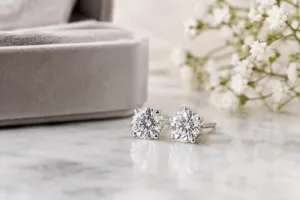
Learn how to choose diamond studs with confidence, comparing carat, cut, secure settings, certification and natural or lab-grown diamond options.
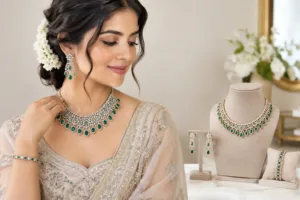
Find the best bridal jewellery sets for your wedding, from diamond and gold styles to practical advice on quality, comfort, value and matching beautifully.
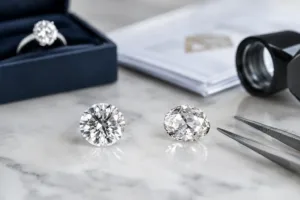
Compare certified versus uncertified diamonds with confidence. Learn what grading reports prove, when they matter, and how to buy with clarity today.

Understand the top reasons to buy gold bullion, from portfolio diversification and VAT efficiency to ownership, liquidity and confidence for UK buyers.

Use this bullion taxation guide to understand UK VAT, Capital Gains Tax and inheritance considerations when buying, selling or gifting investment gold.