Guide to Engagement Ring Settings for Every Style
Our guide to engagement ring settings explains security, style and daily wear, helping you choose a certified diamond ring with lasting confidence today.
We Buy Gold . Top Prices Paid .
7 Day Price Promise .
30 Day Returns
Free World Wide Shipping
Life Time Warranty
We Buy Gold . Top Prices Paid .
7 Day Price Promise .
30 Day Returns
Free World Wide Shipping
Life Time Warranty

+44 203 965 6669

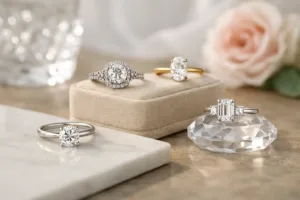
The setting is the part of an engagement ring that determines how a diamond is held, how much light it receives and how the finished ring feels on the hand. This guide to engagement ring settings is designed to help you look beyond the centre stone and choose a design that suits your lifestyle, taste and long-term expectations.
A beautifully certified diamond deserves a setting that protects it properly while allowing its character to show. The right choice can make a diamond appear larger, create a distinctly classic or contemporary look, and affect how practical the ring is for everyday wear.
When shoppers first compare engagement rings, carat weight, cut and diamond certification understandably take centre stage. Yet the setting has just as much influence over the ring’s appearance. A high-set solitaire can make a stone look dramatic and prominent, while a lower-profile bezel setting creates a clean, modern finish with more protection around the diamond.
Settings also affect maintenance. Prongs can wear gradually over many years and should be checked periodically, particularly if the ring is worn daily. A well-made setting in platinum or gold, combined with professional aftercare, gives you the reassurance that a meaningful purchase is built for the future.
There is no single best setting for every couple. Someone who works with their hands, exercises regularly or prefers understated jewellery may favour a secure low-profile design. Someone seeking maximum sparkle and a timeless bridal look may prefer a raised claw setting. The best result balances beauty with real life.
The solitaire is the enduring choice for good reason. It features one centre diamond, allowing the stone to remain the clear focus. A classic four-claw setting offers a clean, open look and can make a diamond appear slightly more square or rounded depending on its shape. Six claws provide additional security and create the recognisable outline often associated with round brilliant diamonds.
Solitaire rings work across diamond shapes, from round and oval to emerald, pear and cushion cuts. They are also highly versatile alongside wedding bands. A plain platinum or yellow gold band keeps the look refined, while a diamond-set band adds extra brilliance without distracting from the centre stone.
The trade-off is profile. Many solitaire settings sit higher above the finger so light can enter the diamond from different angles. This supports sparkle, but the ring may catch on knitwear, hair or gloves more easily than a low-set design.
A halo setting surrounds the centre diamond with a frame of smaller diamonds. This creates a bright, luxurious appearance and can make the centre stone look noticeably larger from above. Halos are especially effective with oval, cushion, pear and round diamonds, although they can be tailored to almost any shape.
A single halo offers classic glamour, while a double halo creates a bolder statement. The design can also introduce contrast, such as a white diamond halo around a coloured gemstone or a yellow gold band with a platinum or white gold diamond setting.
Because a halo has more individual stones and fine details, it needs careful craftsmanship and occasional checks. It is an excellent option for buyers who want maximum visual impact, but it is not always the simplest choice for those who prefer a minimal, low-maintenance ring.
Pavé settings use small diamonds placed closely along the band, creating a continuous shimmer. They can be added to the shoulders of a solitaire ring for a subtle lift, or continue around much of the band for a more radiant finish. This setting brings extra sparkle without changing the outline of the centre diamond.
The width of the band matters here. Fine pavé bands look delicate and elegant, but a slightly wider band can offer a more substantial feel and suit larger centre stones. A plain section at the back of the ring is often practical for resizing and daily comfort.
Choose pavé for detail and brilliance, but consider how it will sit against a wedding ring. A straight wedding band may sit neatly alongside some designs, while a raised setting or shaped band may be needed for a perfectly flush fit.
A bezel setting wraps a fine rim of precious metal around all or part of the diamond’s edge. Full bezels are among the most protective settings available, making them a considered choice for active lifestyles and for diamond shapes with more vulnerable points, such as pear, marquise and princess cuts.
The look is sleek, contemporary and confident. A bezel can also make a stone appear more defined against the metal, particularly in yellow gold. Because there are fewer exposed edges, the ring tends to feel smooth in day-to-day wear.
The main consideration is that more metal covers the diamond’s perimeter than in a claw setting. This can slightly reduce the open, airy look some buyers want from a brilliant-cut diamond. For many, the added security and modern profile are a worthwhile exchange.
A cathedral setting uses arches of metal that rise from the band towards the centre stone, creating an elevated and architectural silhouette. It adds height and presence without requiring a heavy band, making it a popular choice for those who want a traditional engagement ring with a more impressive profile.
Cathedral settings can be plain, pavé-set or combined with a halo. They often allow a wedding band to sit closer to the engagement ring, although the precise fit depends on the individual design. If a flush wedding-ring fit is important, it is wise to consider both rings together before choosing.
A three-stone ring places a centre diamond between two side stones. The design is often chosen for its symbolism, representing a couple’s past, present and future, but its appeal is equally visual. The side diamonds widen the ring’s face and add considerable sparkle.
Tapered baguettes bring a clean, elegant Art Deco influence to an emerald or radiant-cut centre stone. Pear-shaped or round side stones create a softer, more romantic look. This setting suits buyers who want more detail than a solitaire but less intricacy than a halo.
Diamond shape and setting should work together. Round brilliant diamonds are exceptionally adaptable and look at home in solitaires, halos, three-stone rings and pavé designs. Oval diamonds are often enhanced by a delicate halo or slim band, which emphasises their elegant length.
Emerald-cut diamonds have broad, mirror-like facets rather than intense sparkle. They are particularly striking in a simple four-claw setting or with tapered baguette side stones, where the geometry remains clean. Pear and marquise diamonds benefit from a protective V-shaped claw at the pointed end. Without it, that delicate point is more exposed to knocks.
For a radiant, princess or cushion-cut diamond, claw placement should be considered carefully. The corners of square and rectangular stones can be more vulnerable, so a setting that protects them without obscuring their shape is ideal.
Platinum is naturally white, dense and durable, making it a premium choice for diamond settings. It develops a soft patina over time, which many owners appreciate, and it is well suited to white diamonds. White gold offers a similar bright appearance at a different price point and may need rhodium plating refreshed over the years to maintain its crisp white finish.
Yellow gold gives a warm, timeless character and works beautifully with both classic and contemporary designs. A yellow gold band with a platinum or white gold setting is a popular combination because it keeps the diamond visually bright while retaining the rich tone of gold. Rose gold offers a softer, romantic alternative, though it can slightly influence how a very white diamond appears by contrast.
Profile matters as much as metal. A low setting is usually more practical and less likely to catch, while a higher setting can provide more presence and light exposure. Comfort-fit bands, with a gently rounded inner edge, are worth considering for a ring intended for constant wear.
An engagement ring should feel personal, not simply fashionable. Think about how the wearer dresses, works and uses their hands, then choose a setting that supports that life. A design that looks exceptional in a jewellery box but feels impractical every day is rarely the right long-term choice.
At Hispek Diamonds, bespoke engagement ring design allows you to pair a certified natural or lab-grown diamond with the setting, metal and proportions that feel right for you. Expert guidance, transparent detail and a carefully made setting help turn a beautiful stone into a ring you can wear with confidence for years to come.
The most meaningful choice is often the one that still feels effortless after the proposal: secure enough for everyday life, refined enough for every occasion, and unmistakably yours.
Our guide to engagement ring settings explains security, style and daily wear, helping you choose a certified diamond ring with lasting confidence today.

Find the best mens gold chains for your style, from curb and rope designs to the right gold carat, length and weight for lasting value and wear daily.

Our guide to 24k gold purity explains fineness, hallmarks, pricing, VAT and why investment gold differs from everyday jewellery for UK buyers clearly!

Learn how to choose wedding bands for lasting comfort, style and value, from metal and fit to diamonds, matching designs and trusted hallmarks in Britain.

Learn which diamond shapes give the brightest fire and brilliance, and how cut quality, proportions and setting affect visible sparkle in every light.
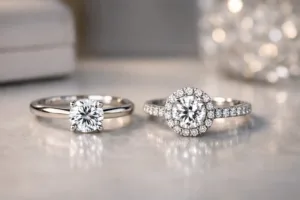
Compare solitaire vs halo engagement rings by sparkle, budget, protection and everyday wear, so you can choose a certified diamond ring with confidence.