

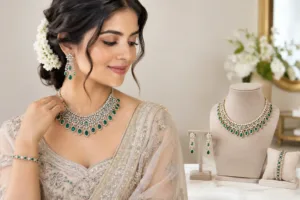
Best Bridal Jewellery Sets for Your Wedding
Find the best bridal jewellery sets for your wedding, from diamond and gold styles to practical advice on quality, comfort, value and matching beautifully.
We Buy Gold . Top Prices Paid .
7 Day Price Promise .
30 Day Returns
Free World Wide Shipping
Life Time Warranty
We Buy Gold . Top Prices Paid .
7 Day Price Promise .
30 Day Returns
Free World Wide Shipping
Life Time Warranty

+44 203 965 6669
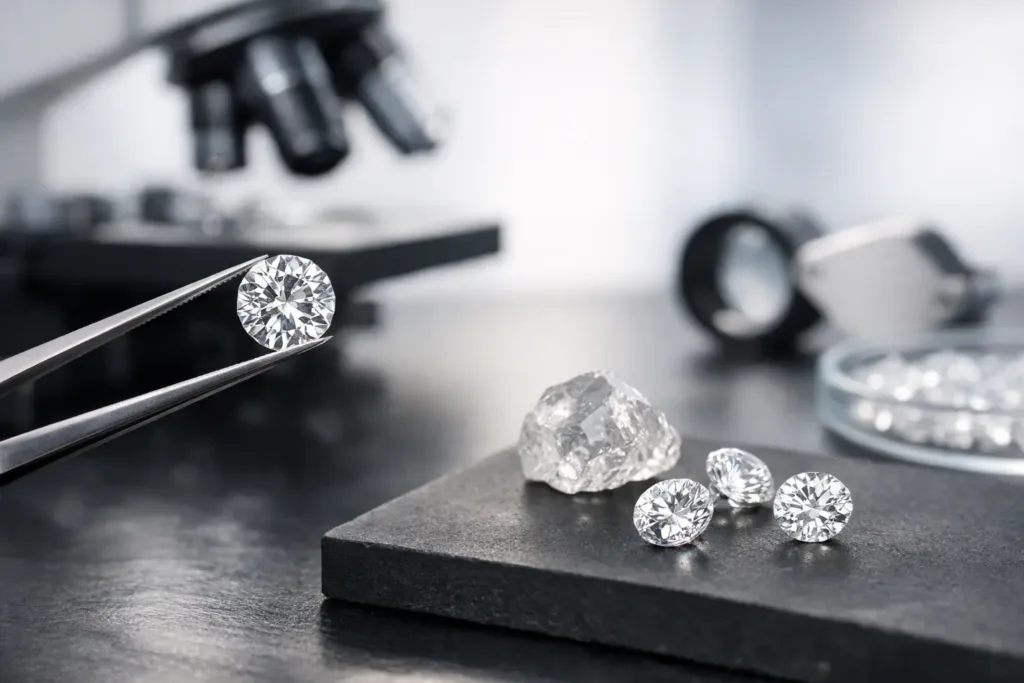
A one-carat diamond that looks exceptional, tests as a real diamond, and costs noticeably less than a mined equivalent will always raise the same question: are lab grown diamonds worth buying? For many buyers, the answer is yes – but only if you are clear on what you value most, whether that is size, symbolism, budget, long-term resale, or a balance of all four.
Lab grown diamonds are worth buying if your priority is getting a larger or better-quality diamond for your budget without compromising on the core physical properties of the stone. They are real diamonds, not simulants. They have the same chemical composition as natural diamonds and are graded using the same key standards: cut, colour, clarity and carat.
That matters because many customers are not looking for a debate about whether a lab grown diamond is “real”. They are looking for a beautiful, certified stone that feels special, wears well every day, and represents good value. On those points, lab grown diamonds can be a very strong choice.
Where the answer becomes more nuanced is when buyers also care about rarity, collectability, or the potential for stronger resale performance. Lab grown diamonds offer excellent visual and practical value, but they do not hold the same market position as natural diamonds. If your purchase is emotionally led and style focused, they often make excellent sense. If your purchase is partly driven by rarity and long-term secondary market expectations, natural diamonds may still be the better fit.
A lab grown diamond is produced in a controlled environment using advanced technology that replicates the conditions under which diamonds form. The result is still a diamond, with the same brilliance, hardness and durability expected from a fine jewellery stone.
This is why lab grown diamonds have become especially popular in engagement rings. Buyers can often choose a higher carat weight, whiter colour grade, or cleaner clarity within the same budget. For someone comparing two rings side by side, that pricing difference can be decisive.
The practical appeal is obvious. Instead of compromising heavily on size or quality to stay within budget, you may be able to buy a more impressive centre stone while still investing in a premium setting such as platinum or 18ct gold.
If you are buying for appearance, wearability and value at the point of purchase, lab grown diamonds are highly competitive. The savings compared with natural diamonds can be substantial, and those savings can be used in different ways. Some customers move up in carat size. Others keep the budget the same and choose a better cut, which often has the biggest effect on beauty.
This is especially relevant for engagement ring buyers who want a striking ring without stretching finances uncomfortably. A major life purchase should feel exciting, not financially reckless. Lab grown diamonds can make premium jewellery more accessible while still delivering the visual impact many customers want.
Ethics matter to many modern buyers, particularly those shopping for bridal jewellery. Lab grown diamonds are often chosen by customers who want a diamond with a supply chain that feels more controlled and easier to understand.
That said, ethical sourcing is not a simple two-option conversation where one category is good and the other is bad. Responsibly sourced natural diamonds also exist, and reputable jewellers place strong emphasis on certification and traceability. Lab grown diamonds appeal to buyers who prefer the idea of a manufactured stone, but the ethical case should still be considered alongside certification, sourcing standards and the credibility of the retailer.
The strongest argument against buying lab grown diamonds is not about beauty or authenticity. It is about market value over time.
Lab grown diamonds typically have lower resale demand than natural diamonds, and prices in the category have shifted as production has increased. That does not make them poor value at retail if you are buying for personal enjoyment, but it does mean you should not view them in the same way as a store of value.
If you want a diamond primarily as a symbol of love, celebration or personal style, resale may be largely irrelevant. Most engagement rings are not bought with the intention of selling them later. But if preserving value is central to your decision, you should be realistic. A diamond ring is usually a luxury purchase first, not an investment vehicle, and this is even more true with lab grown stones.
Natural diamonds carry a sense of geological rarity and origin that many customers find meaningful. For some, that story is part of the romance. For others, it is about tradition or a preference for something formed over billions of years beneath the earth.
Lab grown diamonds do not offer that same rarity narrative. They can be outstanding stones, but the emotional value attached to them will depend on your personal view of luxury. Some people see smart buying. Others see a modern alternative. Others still feel that only a natural diamond carries the exact symbolism they want.
Neither position is wrong. It is simply a question of what the purchase needs to mean to you.
Very often, yes. Engagement ring buyers are usually balancing sentiment, appearance and budget, and lab grown diamonds perform well across all three.
They allow couples to prioritise design in a way that may not be possible with a mined stone at the same price point. You may be able to choose a larger oval, an elegant emerald cut, or a classic round brilliant with stronger specifications while still keeping the overall ring within budget. That can be especially attractive if you also want a refined setting, wedding bands, or additional custom details.
The key is buying with open eyes. If the ring is about beauty, daily wear and a confident spend, lab grown is often a very compelling option. If family tradition, rarity or future resale carry equal weight, natural may still feel more appropriate.
A lab grown diamond should never be bought casually simply because the price is lower. Quality still varies. Cut precision, fluorescence, proportions and finish all affect how the stone performs. Certification remains essential.
A properly graded diamond gives you confidence in what you are paying for and helps you compare stones fairly. This is particularly important online, where trust comes from transparent specifications, credible grading, clear imagery and retailer support.
For a high-value purchase, reassurance matters. Buyers should expect straightforward information on certification, returns, ring sizing, delivery and aftercare, not vague sales language.
Lab grown diamonds tend to be worth buying when your priorities are clear. They are particularly well suited to buyers who want maximum visual impact for a set budget, prefer a more contemporary buying choice, or simply do not place a premium on rarity.
They also make sense for customers who want to invest more of their budget into the finished piece rather than the origin of the stone. A well-made ring with a beautifully cut lab grown diamond, crafted in a premium metal and backed by reliable service, can feel every bit as special as a more expensive alternative.
For shoppers who value transparency and want expert guidance without pressure, retailers such as Hispek Diamonds can help compare both natural and lab grown options in a way that feels practical rather than confusing.
Natural diamonds may justify the higher price if you care deeply about rarity, heritage, or stronger long-term market perception. They may also be the better choice if the emotional significance of the stone is tied to its natural formation.
Some buyers simply know that they want a natural diamond and would always question an alternative afterwards. In that case, paying more can still be the right decision because confidence in the purchase matters. A ring should not leave room for regret.
The smartest approach is not to ask which category is universally better. It is to ask which one aligns with your values, your budget and the purpose of the purchase.
A beautiful diamond should feel right long after the receipt is put away. If a lab grown diamond gives you the size, sparkle and confidence you want at a price that feels sensible, it is very likely worth buying. If what matters most is rarity and natural origin, trust that instinct and choose accordingly.
Find the best bridal jewellery sets for your wedding, from diamond and gold styles to practical advice on quality, comfort, value and matching beautifully.
Compare certified versus uncertified diamonds with confidence. Learn what grading reports prove, when they matter, and how to buy with clarity today.

Understand the top reasons to buy gold bullion, from portfolio diversification and VAT efficiency to ownership, liquidity and confidence for UK buyers.

Use this bullion taxation guide to understand UK VAT, Capital Gains Tax and inheritance considerations when buying, selling or gifting investment gold.
Explore engagement ring upgrade examples, from larger centre stones to bespoke resets, with practical advice on value, comfort and diamond certification.

Use this bullion dealer comparison to assess pricing, product authenticity, delivery, storage and buy-back support before you invest in physical gold.