22k or 18k Gold: Which Should You Buy?
Choosing 22k or 18k gold? Compare purity, durability, colour, price and best uses to find the right gold for jewellery, gifting or wear.
We Buy Gold . Top Prices Paid .
7 Day Price Promise .
30 Day Returns
Free World Wide Shipping
Life Time Warranty
We Buy Gold . Top Prices Paid .
7 Day Price Promise .
30 Day Returns
Free World Wide Shipping
Life Time Warranty

+44 203 965 6669
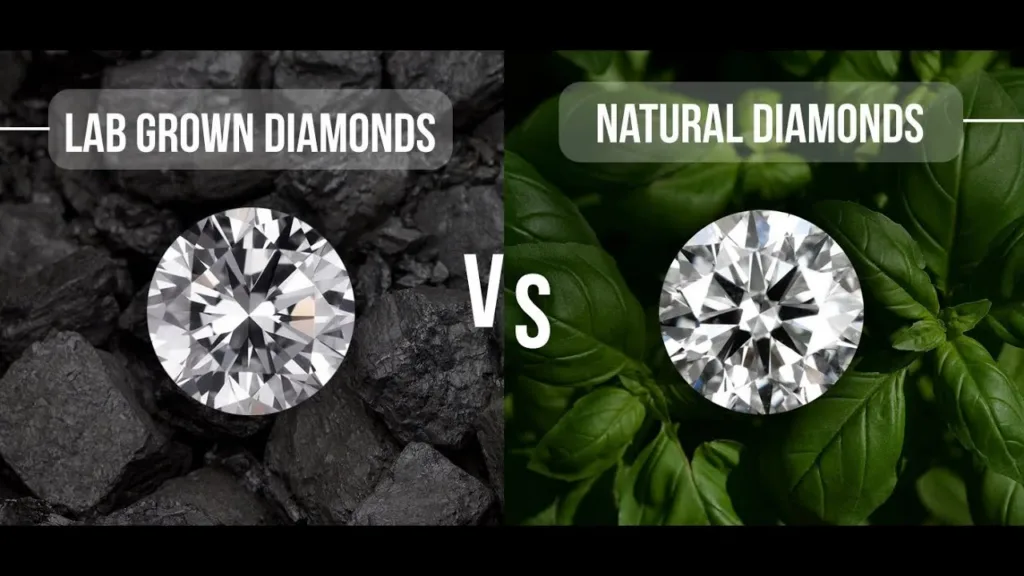
Diamonds have been associated with luxury, love, and permanence. Nowadays, the jewellery market offers consumers two options: traditional mined diamonds and lab-grown diamonds, catering to various budgets, ethical preferences, and lifestyles. Knowledge of the variations can help consumers draw certain conclusions when investing in these eternal jewels.
Natural diamonds form in the Earth’s mantle at very high temperature and pressure over a long period of millions of years. They are mined geological deposits, and each stone has a unique character due to its inclusions and growth patterns.
They are rare in nature and unique, and therefore highly valued in the market. Collectors and buyers typically prefer natural diamonds because of their legacy and enduring beauty.
Diamonds grown in the laboratory are produced by advancing the technology to simulate the conditions under which natural diamonds form. Technologies like High Pressure High Temperature (HPHT) or Chemical Vapour Deposition (CVD) make natural diamonds in a few months instead of several millennia.
These man-made diamonds are chemically, physically, and optically identical to mined diamonds. Because they control production, they can produce high-quality stones at lower cost and with reduced environmental impact.
When comparing lab-grown and natural diamonds, it is easy to realise that both are pure carbon crystals. They are identical in hardness, brilliance, and optical characteristics and can be differentiated in practice with minimal specialised tools.
The exact levels of sparkle and durability vary between lab-grown and natural diamonds. Furthermore, gemological laboratories can detect the slightest variations, yet in everyday wear, both are equally beautiful.
Cost is one of the most discussed distinctions between lab-grown and natural diamonds. Compared to natural diamonds, lab-grown diamonds are usually 20-40 per cent cheaper for the same size and grade, making them more affordable for the current customer.
The beauty and performance are not detrimental to the lower price. Lab diamonds are often favoured over natural diamonds by those seeking to save money and to identify ethically sourced stones that do not compromise sparkle.
There are no significant differences in the quality of lab-made diamonds and natural diamonds. Both exhibit the traditional fire, brilliance, and purity of good diamonds, and the grading criteria are equally applicable to both types.
Comparisons of diamond vs lab diamonds indicate that, in some cases, lab diamonds are better and have high clarity because their growing conditions are controlled, thereby weakening natural inclusions.
Natural diamond and lab diamond consumers typically purchase natural diamonds because they offer a better long-term investment opportunity, as resale value is not lost due to limited availability.
Nevertheless, a comparison between lab-created diamonds and natural diamonds offers greater affordability, allowing buyers to acquire larger or higher-quality stones without a substantial financial burden, albeit with the possibility of a minor decline in resale value.
Lab-grown diamonds are certified and genuine, unlike natural diamonds. Grading reports are issued by reputable laboratories such as GIA or IGI, which describe the cut, clarity, colour, and carat weight.
Lab-grown diamond and real diamond certifications play a vital role in purchase and resale, as they are essential for buyers to verify the origin and quality standards of the diamonds.
Knowledge of grading terminology helps buyers distinguish between lab-created and natural diamonds and make informed choices.
When comparing lab-grown versus natural diamonds in terms of beauty and value, information on cut, clarity, colour, and carat is essential.
The best laboratories certify lab-grown diamonds as distinct from natural diamonds to ensure authenticity. GIA and IGI are widely regarded as reliable.
When purchasing lab-created diamonds rather than natural diamonds, verifying certification is essential to ensure the buyer is investing in stones of certified quality.
Ethical consumerism has driven demand for lab-grown diamonds relative to natural diamonds. Younger consumers tend to prioritise affordability, sustainability, and traceability.
Market trends indicate rising demand for lab-grown diamonds over natural diamonds, particularly in the engagement ring market, where customers are seeking not only beauty but also responsible sourcing.
Lab-grown or natural diamonds are a matter of priorities. Lab-grown diamonds and natural diamonds are viable options when concerns arise regarding budget, ethical sourcing, or sustainability.
To a collector or people aiming at making an investment that is long term, natural diamonds are still in demand. At Hispek Diamonds, we assist customers in selecting diamonds (both lab-grown and natural-grown) that suit their aesthetic, ethical, and financial requirements.
Knowledge of lab-grown and natural diamonds would enable the buyer to make informed, confident decisions. The two types offer superior beauty; however, factors such as price, environmental friendliness, and investment prospects also play a role.
At Hispek Diamonds, we help you choose the right diamond, whether you prefer lab-grown or natural. Every piece we offer is selected for beauty, quality, and long-term value.
How are diamonds made in a lab?
Laboratory-grown diamonds are produced by means of HPHT or CVD processes, which imitate real conditions to make actual diamonds.
Is a man-made diamond a real diamond?
Yes, lab-grown diamonds exist and are the same, in terms of chemical, physical, and optical characteristics, as mined diamonds.
Lab diamonds vs real diamonds: which is better?
Both are real diamonds. Selection is based on priorities: affordability, long-term investment or sustainability.
Choosing 22k or 18k gold? Compare purity, durability, colour, price and best uses to find the right gold for jewellery, gifting or wear.
The future of bespoke jewellery is shaped by technology, ethics and craftsmanship, giving buyers more choice, transparency and lasting value.

This guide to certified gold bars explains purity, LBMA standards, sizes, storage and buying checks to help you invest with confidence.
Find the best diamond pendants for gifting, from solitaire classics to modern designs, with expert tips on style, budget, certification and value.
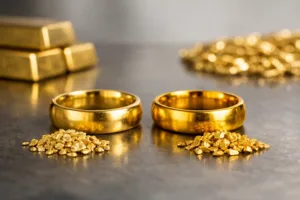
Comparing 18k vs 22k gold? Learn the difference in purity, durability, colour, value and best uses for jewellery, gifting and long-term wear.
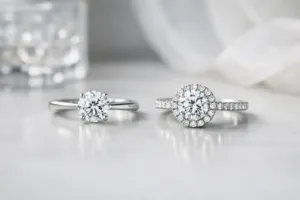
Diamond solitaire or halo – compare sparkle, size, price and style to choose the right engagement ring with confidence and lasting value.