No products in the cart.

8 Best Diamond Wedding Band Styles
Compare the best diamond wedding band styles for every ring and budget, from eternity to pavé, with expert advice on fit, metal and value.

We Buy Gold . Top Prices Paid .
7 Day Price Promise .
30 Day Returns
Free World Wide Shipping
Life Time Warranty
We Buy Gold . Top Prices Paid .
7 Day Price Promise .
30 Day Returns
Free World Wide Shipping
Life Time Warranty

+44 203 965 6669
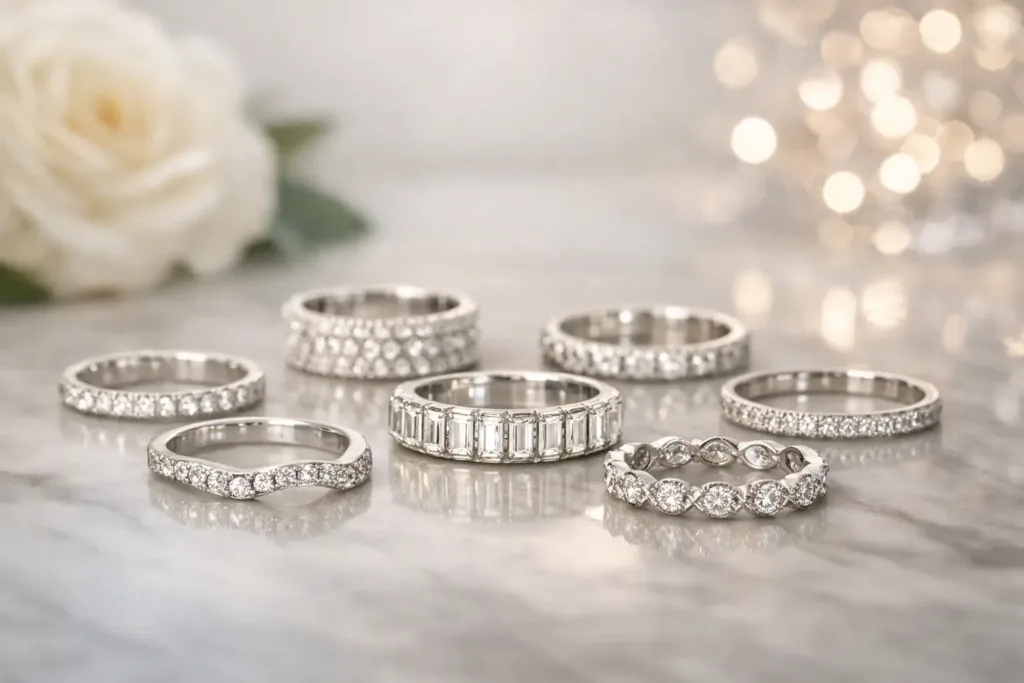
A wedding band can change the whole look of an engagement ring. The right one adds balance, brightness and comfort, while the wrong one can sit awkwardly, wear faster than expected or compete for attention. If you are comparing the best diamond wedding band styles, the smart approach is not simply choosing what looks impressive in a photograph. It is choosing a band that suits your ring, your lifestyle and the level of sparkle you will still love years from now.
For some buyers, that means a classic claw-set eternity ring in platinum. For others, it means a slimmer pavé band that brings extra light without overwhelming a centre stone. Style matters, but so do daily wear, matching profiles, diamond quality and how the ring sits next to your engagement ring. A premium wedding band should feel beautiful, practical and reassuringly well made.
The best style for you depends first on the ring it will sit beside. A high-set solitaire usually works well with straight bands, while a low-set engagement ring may need a shaped or contoured design to sit neatly. That fit matters more than many buyers expect. A visible gap is not always a problem if you like the look, but if you want a close, polished finish, the band profile should be considered early.
Your second decision is how much diamond coverage you want. Full eternity bands offer maximum brilliance, but they are not always the most practical option for resizing. Half eternity bands are often easier to live with and can offer better value while still delivering strong visual impact from the top view. Slimmer bands tend to feel refined and versatile, while wider bands create a bolder statement and suit larger hands or more substantial engagement rings.
Metal choice also affects the result. Platinum remains a leading choice for bridal jewellery because of its strength, naturally white finish and premium feel. White gold can offer a similar appearance at a different price point, though it may require occasional re-plating to maintain its bright surface. Yellow gold adds warmth and can make white diamonds stand out beautifully, while rose gold gives a softer, more contemporary contrast.
Eternity bands remain one of the most popular diamond wedding bands for a reason. They are timeless, elegant and easy to pair with many engagement ring styles. A full eternity band features diamonds all the way around, creating continuous sparkle from every angle. It looks luxurious and balanced, especially when worn alone.
The trade-off is practicality. Full eternity rings can be difficult to resize, and for some people the diamonds between the fingers can feel less comfortable. A half eternity band solves much of that. You still get a diamond-set top surface where it matters visually, with a plainer section underneath for comfort and future adjustments. For many buyers, this is the sweet spot between beauty and flexibility.
Pavé diamond wedding bands use small diamonds set closely together, creating a fine surface of light. This style suits anyone who wants a delicate, refined look rather than obvious individual stones. It works particularly well alongside halo rings and slimmer solitaires because it adds sparkle without making the bridal set feel too heavy.
Pavé is elegant, but it does require careful craftsmanship. Because the stones are small and closely set, precise setting quality matters. A well-made pavé band should look even, secure and smooth enough for comfortable daily wear. If you want understated luxury, this is often one of the best diamond wedding band styles to consider.
Channel-set bands place diamonds between two strips of metal, creating a cleaner and more protected finish. This gives the ring a sleek, structured look and can be a strong choice for buyers who want sparkle with a little more security. It is also a practical option for more active lifestyles, as the stone edges are less exposed than in some claw-set designs.
Visually, channel-set bands feel slightly more contemporary than traditional eternity styles. They pair especially well with modern solitaires and more architectural engagement ring designs. If you prefer a crisp finish over a softer, more delicate appearance, channel setting is worth serious attention.
Claw-set bands showcase each diamond more openly, allowing light to pass through and increasing brilliance. This classic style gives a wedding band a brighter, more defined look, as each stone is individually visible. It is a strong choice if your priority is sparkle.
The look is timeless, but there is a balance to strike. Larger exposed stones can sit proudly and create strong visual impact, yet they may not suit every engagement ring. If your engagement ring is already highly detailed, a simpler claw-set wedding band often works better than a very elaborate one. The aim is to complement, not compete.
Not every engagement ring works with a straight wedding band. Rings with low settings, prominent halos or unusual centre stone shapes often need a fitted band to sit properly. Shaped and contoured bands are designed to follow those curves, producing a neater, more intentional finish.
This style can be one of the most effective choices, but it is also the most ring-specific. A contour that fits one engagement ring perfectly may not suit another. That is why made-to-measure guidance can be especially valuable here. If you want the two rings to sit together cleanly, this is often less about trend and more about precision.
A round solitaire is usually the easiest ring to pair. It works with pavé, claw-set, channel-set and eternity bands, depending on whether you want a minimalist or more glamorous finish. Oval solitaires also pair beautifully with diamond bands, though they often suit slightly finer widths that preserve the centre stone’s elongated elegance.
Halo engagement rings already bring plenty of sparkle, so many buyers choose a simpler wedding band to avoid visual overload. A slim pavé or half eternity band is often enough. Three-stone rings can carry more presence, so band width should be judged carefully. Too narrow and the wedding band can look lost; too wide and the full set can feel crowded.
With vintage-inspired engagement rings, detail matters. Milgrain edges, engraved finishes and softer settings often look best with wedding bands that echo the same design language. By contrast, very modern engagement rings tend to suit cleaner bands with stronger lines and less ornament.
When buyers think about value, they often focus only on total carat weight. That matters, but it is not the whole picture. In a wedding band, consistency is just as important. Diamonds should look well matched in colour, clarity and size so the ring appears even and polished across the setting.
A smaller, beautifully made band with well-matched stones often looks more premium than a larger one with inconsistent sparkle. This is especially true in pavé and eternity styles, where visual uniformity creates the refined effect buyers expect. Certification may not apply to every small stone in the way it does with a single large diamond, but diamond quality standards and trusted sourcing still matter.
Budget also depends on metal, diamond coverage and whether you choose natural or lab-grown diamonds. Lab-grown diamond wedding bands can offer a larger look for the spend, which appeals to buyers who want more visual impact without stretching the budget too far. Natural diamonds remain the traditional preference for many bridal customers. Neither choice is universally better. It depends on your priorities around origin, price and long-term sentiment.
A wedding band is not worn for an event. It is worn for life. Comfort should never be treated as an afterthought, particularly with diamond-set styles. The inside profile of the ring, the band width and the setting height all affect how it feels throughout the day.
A comfort-fit interior can make a noticeable difference, especially in wider bands. Lower-profile settings are often easier for everyday wear and less likely to catch. If you work with your hands, go to the gym regularly or prefer jewellery you do not have to think about, a practical setting may serve you better than the highest-sparkle option on paper.
This is also where quality assurance matters. Secure settings, proper hallmarking, clear metal information and dependable aftercare support give real peace of mind when buying fine jewellery online or from overseas. For a purchase this meaningful, trust is part of the product.
The best diamond wedding band styles are not always the most elaborate or the most expensive. Often, the strongest choice is the one that looks effortless with your engagement ring and still feels right when worn on its own. A slim pavé band can feel quietly luxurious. A full eternity ring can feel unapologetically glamorous. A shaped band can solve a practical issue so elegantly that it becomes the perfect design.
At Hispek Diamonds, this is where expert guidance makes a difference. When diamond quality, fit, metal and setting are considered together, the result is more than a wedding band. It is a ring you can wear every day with confidence, knowing it suits both the moment and the years ahead.
Take your time with the choice. The right band should not only catch the light well. It should feel like a natural part of your hand and your life.
Compare the best diamond wedding band styles for every ring and budget, from eternity to pavé, with expert advice on fit, metal and value.
Learn how to choose lab diamond jewellery with confidence. Compare cut, certification, metal, style and value for a smart, lasting purchase.
Lab grown engagement ring trends for 2026 reveal shifts in cuts, settings and buyer priorities, from larger stones to bespoke, ethical design.
Choose gold jewellery with confidence. Learn about purity, hallmarking, style, value and care before you buy for gifting, weddings or wear.
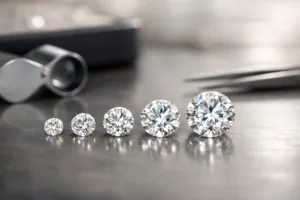
Use our diamond carat size guide to compare popular weights, understand face-up size, and choose a certified diamond with confidence.
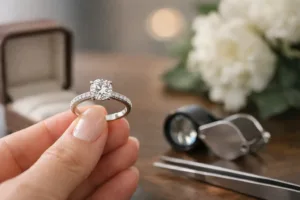
Find engagement rings with confidence. Learn how to compare diamonds, settings, metals and value, with expert guidance for every budget.