
Best Gold Bar Sizes for UK Buyers and Investors
Compare the best gold bar sizes for UK investors, from 1g to 1kg, and choose investment gold that suits your budget, premiums and storage plans.
We Buy Gold . Top Prices Paid .
7 Day Price Promise .
30 Day Returns
Free World Wide Shipping
Life Time Warranty
We Buy Gold . Top Prices Paid .
7 Day Price Promise .
30 Day Returns
Free World Wide Shipping
Life Time Warranty

+44 203 965 6669
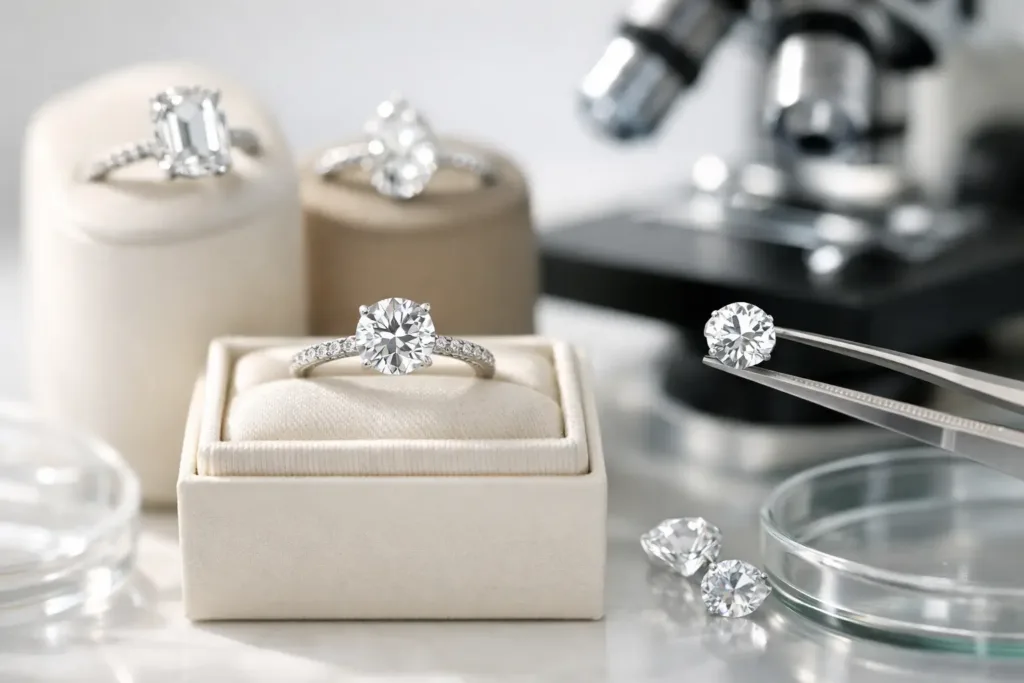
One of the clearest shifts in bridal jewellery is that shoppers are no longer choosing between sentiment and practicality. Lab grown engagement ring trends now reflect a market that wants premium design, certified quality and stronger value at the same time. For couples comparing options carefully, that combination is proving hard to ignore.
The change is not only about price. Buyers are arriving with sharper questions about diamond certification, setting durability, finger coverage, long-term style and ethical sourcing. That means the latest trends are less about novelty and more about smart choices that feel personal, timeless and well judged.
The strongest trend is confidence. A few years ago, many customers still treated lab-grown diamonds as an alternative category. Now they are increasingly viewed as a mainstream choice for engagement rings, particularly among buyers who want a larger certified diamond without stretching beyond budget.
That shift has influenced design. Rather than simply looking for the biggest possible stone, couples are paying attention to cut quality, metal choice and how the ring will wear over time. In practice, this means cleaner silhouettes, better balanced proportions and more interest in bespoke details.
There is also a noticeable split in buying behaviour. Some customers want modern value and visual impact, often choosing a larger centre stone in a classic setting. Others want a ring that feels distinctive, with hidden details, unusual side stones or custom shaping. Both approaches sit comfortably within the current market because lab-grown diamonds make design flexibility more accessible.
If one trend continues to dominate, it is size. Lab-grown diamonds have made higher carat weights more attainable, so many buyers are choosing centre stones that would have felt out of reach in a natural diamond equivalent. Oval, radiant and elongated cushion cuts are especially popular because they create strong finger coverage and a refined, contemporary look.
That does not mean every ring is becoming oversized. The more interesting development is proportion. Buyers often want a statement stone, but they want it set in a way that still looks elegant. A well-made solitaire with a 2 or 3 carat lab-grown diamond can look premium and balanced when the setting is designed properly.
This is where expert guidance matters. A larger diamond can be beautiful, but only if the cut, ratio and setting height work together. Too much spread with poor balance can make a ring look fashionable for a moment rather than timeless for years.
Round brilliant diamonds remain a classic option, especially for buyers who want maximum sparkle and enduring appeal. Even so, current lab grown engagement ring trends show elongated shapes taking more of the spotlight. Oval remains one of the most requested choices, followed closely by emerald, radiant and pear.
There are a few reasons for that. Elongated cuts tend to make the finger appear longer and slimmer, and they often look larger face-up than other shapes of the same carat weight. They also suit the cleaner, minimalist settings that many couples now prefer.
Emerald cuts deserve special mention. Their step-cut faceting offers a quieter, more architectural look than a brilliant-cut stone, which appeals to buyers who want understatement rather than overt sparkle. The trade-off is that clarity becomes more visible, so certification and careful stone selection are particularly important.
Metal choice is becoming more deliberate. Yellow gold has returned strongly, particularly in solitaire and vintage-inspired designs. It gives lab-grown diamonds warmth and contrast, and it appeals to buyers who want a ring with a richer, more classic appearance.
White metals, however, remain highly relevant. Platinum continues to attract customers who prioritise durability, prestige and a naturally white finish. It is especially well suited to those who want a premium engagement ring with long-term wear in mind. White gold is still popular too, especially for shoppers balancing appearance and price.
Rose gold has become more selective. It still has an audience, but it is no longer the default trend-led option it once was. Buyers now tend to choose it for personal taste rather than fashion alone, which is usually a good sign for longevity.
A notable change in the market is that personalisation has moved from niche request to common expectation. Many couples want a ring that looks classic at first glance but includes something distinctive on closer inspection. Hidden halos, tulip settings, secret diamonds beneath the centre stone and refined shoulder detailing are all part of this movement.
This is one area where bespoke design has become especially attractive. Rather than selecting a standard ring and making small adjustments, buyers increasingly want to shape the finished piece around their preferences from the start. That might mean combining a trending cut with a traditional setting, adjusting the band width for comfort, or choosing claws that create a softer or sharper visual finish.
The appeal is simple. An engagement ring should feel personal, not mass-produced. With lab-grown diamonds offering more flexibility in the stone budget, customers often have more room to invest in craftsmanship and custom design.
For all the appetite for detail, the broad design direction is cleaner rather than busier. Solitaire settings remain one of the safest and strongest choices in the category. They allow the centre diamond to lead, they pair well with wedding bands, and they are less likely to date quickly.
That does not mean halo rings have disappeared. They still appeal to buyers who want extra presence and sparkle. Yet many shoppers are moving away from heavy, ornate styles in favour of thinner bands, refined claws and lower-profile settings that feel more modern.
The strongest rings in this trend are simple without looking plain. Small differences in gallery shape, band thickness and setting height can completely change the finished result. That is why a ring that looks understated on paper can feel far more luxurious in person.
Ethical sourcing remains a major reason many couples consider lab-grown diamonds in the first place. For a growing section of the market, choosing a lab-grown stone aligns with their values and allows them to feel more comfortable about the purchase.
Even so, buyers are increasingly looking beyond broad claims. They want certification, transparent product information and a retailer that can explain quality clearly. The ring still needs to be beautifully made, properly hallmarked and sold with the right level of support. Ethical messaging helps, but reassurance closes the sale.
This matters particularly for premium purchases. Customers are not only buying a concept. They are buying a high-value piece of jewellery that marks a major life event. Trust signals such as clear grading, reliable aftercare and straightforward returns remain essential.
Another practical trend is the rise of coordinated bridal jewellery. Buyers are thinking ahead to how the engagement ring will sit with a wedding band, and sometimes with an eternity ring later on. This is shaping demand towards settings that are easier to stack and wear comfortably every day.
A very high setting may create dramatic presence, but it can be awkward with a straight wedding band. Likewise, an extremely delicate band may look elegant initially yet feel less reassuring for long-term wear. Customers are becoming more informed about these trade-offs, which is leading to better purchasing decisions.
For that reason, appointment-led guidance and custom adjustments are increasingly valuable. A ring should not only look right in a box or on a product page. It should suit real life, future styling and years of wear.
Price is still one of the strongest reasons lab-grown engagement rings continue to gain market share. The ability to purchase a larger or higher specification diamond for the same spend is persuasive, particularly for buyers who want visible value. But value alone does not explain which rings are actually being chosen.
The rings performing best are those that balance size, quality and enduring design. Couples are becoming more selective about where to spend and where to simplify. Many would rather choose a beautifully cut stone in a timeless setting than chase every passing trend.
That is why the market is maturing. The conversation has moved on from whether lab-grown diamonds are acceptable. It is now about which cut, setting and specification deliver the best result for the wearer. For a premium retailer such as Hispek Diamonds, that creates a clear opportunity to guide customers towards choices that feel both current and lasting.
The most useful way to read lab grown engagement ring trends is not as a set of rules, but as a guide to what buyers value right now – strong design, certified quality, ethical reassurance and sensible luxury. The right ring is the one that still feels right long after the trend cycle moves on.
Compare the best gold bar sizes for UK investors, from 1g to 1kg, and choose investment gold that suits your budget, premiums and storage plans.
Jewellery valuation for insurance protects the pieces you treasure. Learn what a professional report includes, when to update it and how to insure well.
Our Asian bridal jewellery guide explains 22K gold, bridal sets, diamonds, fit and care, so you can buy meaningful wedding jewellery with confidence.
Choosing gold bullion or jewellery? Compare purity, VAT, resale value and purpose to buy with confidence for investment, gifting or personal style alike.
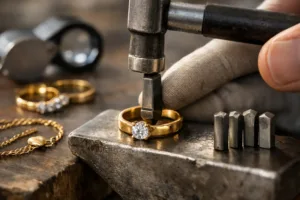
Our gold purity stamps guide explains UK hallmarks, carats and fineness so you can choose jewellery or investment gold with complete confidence with care.
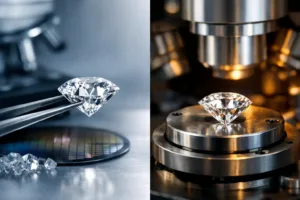
CVD vs HPHT diamonds explained: compare growth, quality, value and certification to choose a beautiful lab-grown diamond with complete confidence today.