
Investment Gold Bars: What Buyers Should Know
Investment gold bars offer a straightforward way to buy physical bullion. Learn how purity, size, pricing and storage affect value and security.
We Buy Gold . Top Prices Paid .
7 Day Price Promise .
30 Day Returns
Free World Wide Shipping
Life Time Warranty
We Buy Gold . Top Prices Paid .
7 Day Price Promise .
30 Day Returns
Free World Wide Shipping
Life Time Warranty

+44 203 965 6669
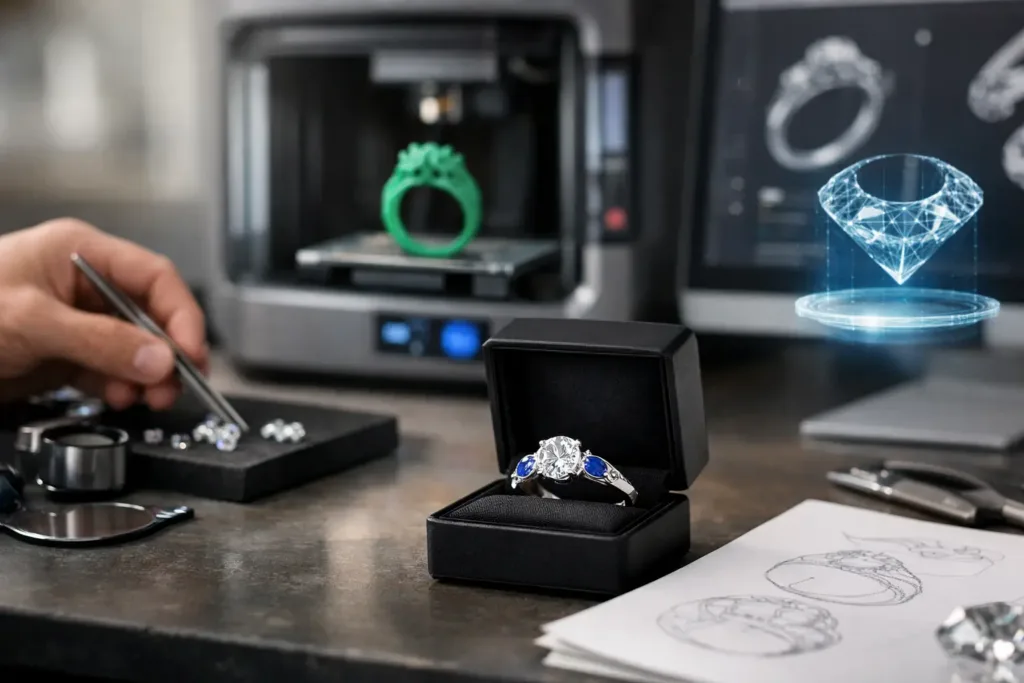
A bespoke ring used to begin with a sketch across a showroom desk. Now it may start with a video consultation, a digital render on your phone, or a conversation shaped by budget, certification and personal style before a single design line is drawn. That shift says a great deal about the future of bespoke jewellery. It is not moving away from craftsmanship. It is becoming more precise, more transparent and more closely aligned with how modern buyers actually shop.
For customers making a high-value purchase, that matters. An engagement ring, anniversary gift or custom heirloom is rarely just about appearance. It is about trust, long-term value and the confidence that every detail has been chosen for a reason. The bespoke market is evolving because buyers expect more than exclusivity. They want expert guidance, ethical sourcing, verified quality and a finished piece that feels personal without feeling uncertain.
The next phase of bespoke jewellery will be defined by a closer balance between traditional bench skills and modern decision-making tools. That does not mean a handcrafted piece becomes less special because technology is involved. In many cases, the opposite is true. Better planning produces better results.
Customers now want to see proportions before production, compare stone options clearly and understand how design choices affect price. Computer-aided design, high-quality renders and more detailed consultations allow that to happen early in the process. Instead of relying only on imagination, buyers can review a design from several angles, adjust the setting height, refine the band width or compare finishes before manufacture begins.
This is particularly relevant in bridal jewellery, where practical wear matters as much as appearance. A ring can look impressive in a sketch but sit too high for everyday comfort. A hidden halo may add brilliance, but it also changes the profile and maintenance needs of the piece. The future belongs to bespoke services that explain these details well, not simply those that offer endless options.
There is a common assumption that more choice always improves the bespoke experience. In reality, too much choice without proper guidance can slow decisions and create uncertainty. The strongest bespoke jewellers will not overwhelm customers with technical language or hundreds of near-identical options. They will narrow choices intelligently.
That means asking better questions at the start. Is the piece being worn every day or saved for occasions? Is the priority size, rarity, brilliance or value retention? Does the customer prefer classic proportions or a more contemporary shape? These questions shape a design far more effectively than trend-led inspiration alone.
In practical terms, bespoke jewellery is likely to become more tailored at every stage. Not just in design, but in how recommendations are made. Someone shopping for a platinum engagement ring with a natural diamond may need a different consultation from a customer commissioning a 22K gold bangle for gifting, or a buyer choosing a lab-grown diamond to maximise visual impact within budget. Personalisation is no longer just engraving initials or choosing a setting. It is the whole buying journey being built around the customer.
As bespoke purchases become more informed, certification and traceability will carry greater weight. Buyers are increasingly aware of grading, origin and hallmarked precious metals. They want reassurance that what they are paying for matches what is being presented.
This is one of the clearest shifts in the market. Luxury alone is no longer enough. Customers expect documentation, transparent pricing and plain-English explanations of quality. For diamonds, that often means independent certification and a clear discussion of cut, colour, clarity and carat weight. For gold and platinum, it means confidence in purity, hallmarking and workmanship.
That is especially important in bespoke work because the item does not exist on the shelf before purchase. Trust has to be established through process, communication and proof. Retailers who can combine custom design with verified materials will continue to stand out.
One of the biggest factors in the future of bespoke jewellery is not whether lab-grown diamonds will replace natural diamonds. It is how both will be used to serve different customer priorities.
Natural diamonds remain the preferred choice for many buyers who value rarity, geological origin and long-established market appeal. They continue to hold strong emotional value, particularly in engagement and heirloom-led pieces. At the same time, lab-grown diamonds have opened bespoke design to customers who want larger sizes, higher specifications or a more budget-conscious route into fine jewellery.
Neither option is universally better. It depends on the brief. A customer may choose a natural centre stone for tradition and pair it with lab-grown accent stones to manage budget. Another may prefer a fully lab-grown design to achieve a bold look at a lower cost. The bespoke market is moving towards informed flexibility, where the best choice is the one that fits the customer’s priorities rather than a one-size-fits-all answer.
Ethical sourcing is no longer a secondary message. For many buyers, it is part of the purchase decision from the outset. Yet customers are also more sceptical of broad claims. They want specifics.
That means the future of bespoke jewellery will favour jewellers who can explain where materials come from, what standards are followed and how pieces are made responsibly. Recycled metals, responsibly sourced diamonds and lower-waste production methods will all remain relevant, but vague messaging will carry less weight than evidence.
Bespoke jewellery is well placed here because made-to-order production can reduce excess stock and allow materials to be selected more intentionally. Even so, sustainability is rarely a simple yes-or-no feature. A handmade platinum ring may last for generations but still sit at a higher initial cost. A lab-grown diamond may reduce some concerns while raising other questions around energy use and long-term perception. Buyers appreciate honesty about these trade-offs.
For many customers, especially those buying online or from overseas, convenience matters. The bespoke process is becoming more accessible through remote consultations, digital design approval and secure delivery, but convenience only works when supported by real expertise.
A poorly managed remote process can make a major purchase feel risky. A strong one does the opposite. Detailed communication, accurate visuals, clear timelines and support with sizing, stone selection and aftercare can make a custom purchase feel just as secure as an in-person appointment.
This is where premium retailers have an advantage if they combine service with structure. Buyers want to know who they are dealing with, how changes are handled, whether the piece is hallmarked, what warranty applies and what happens after delivery. The future is not simply digital. It is consultation-led, with digital tools supporting a more transparent and efficient service.
Trends still influence bespoke jewellery, but they are becoming less dominant than they once were. Customers commissioning a custom piece are often less interested in copying the latest style and more interested in creating something with staying power.
That does not mean design will become conservative. It means design choices will need stronger reasoning behind them. Elongated diamond shapes, mixed metals, east-west settings and chunkier gold profiles may remain popular, but the final decision is more likely to come down to how a piece fits the wearer’s life. Will it stack with a wedding band? Will it suit everyday wear? Will it still feel right in ten years?
This creates a healthier bespoke market. When jewellery is made for personal significance rather than short-term trend appeal, quality and proportion take priority. That is where skilled guidance becomes invaluable. A timeless piece is not necessarily plain, and a modern piece is not necessarily risky. The best bespoke work sits somewhere more thoughtful than either label.
Price will always matter, especially in custom work, but value in bespoke jewellery is becoming more layered. Customers are weighing design originality, material quality, certification, longevity, service and emotional significance together.
A cheaper custom ring is not automatically better value if the stone quality is unclear, the setting is poorly made or aftercare is limited. Equally, the highest price does not guarantee the best result. Strong value comes from transparency, expert recommendation and a piece that performs as well in daily wear as it does in presentation.
For a retailer such as Hispek Diamonds, this broader view of value is exactly where bespoke services can excel. Buyers increasingly want a trusted source that can explain premium choices clearly, offer alternatives when appropriate and deliver a finished piece that justifies the investment.
The future of bespoke jewellery is not about replacing craftsmanship with software or tradition with trends. It is about making custom design more confident for the buyer – better informed, better documented and better suited to modern expectations. For anyone commissioning a piece that marks a milestone or holds long-term worth, that is a very good direction for the market to take.
Investment gold bars offer a straightforward way to buy physical bullion. Learn how purity, size, pricing and storage affect value and security.

Diamond certification explained clearly – learn what a grading report covers, why it matters, and how to buy certified diamonds with confidence.
Learn what certified diamond engagement rings mean, how grading works, and what to check before you buy for confidence, value and lasting peace.
Learn how to buy ethical sourcing diamond jewellery with confidence, from certification and traceability to lab-grown and natural diamond choices.
Understand uk hallmarking on gold jewellery, what each stamp means, legal standards, and how hallmarks help you buy genuine gold with confidence.
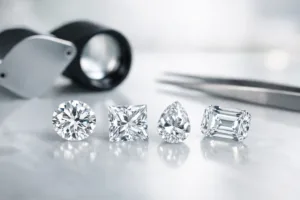
Learn what are the 4Cs of diamonds – cut, colour, clarity and carat – and how to balance them for brilliance, beauty and value.