

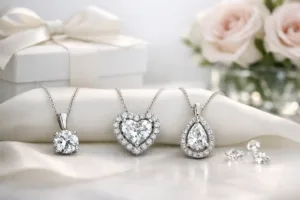
Best Diamond Pendants for Gifting
Find the best diamond pendants for gifting, from solitaire classics to modern designs, with expert tips on style, budget, certification and value.
We Buy Gold . Top Prices Paid .
7 Day Price Promise .
30 Day Returns
Free World Wide Shipping
Life Time Warranty
We Buy Gold . Top Prices Paid .
7 Day Price Promise .
30 Day Returns
Free World Wide Shipping
Life Time Warranty

+44 203 965 6669
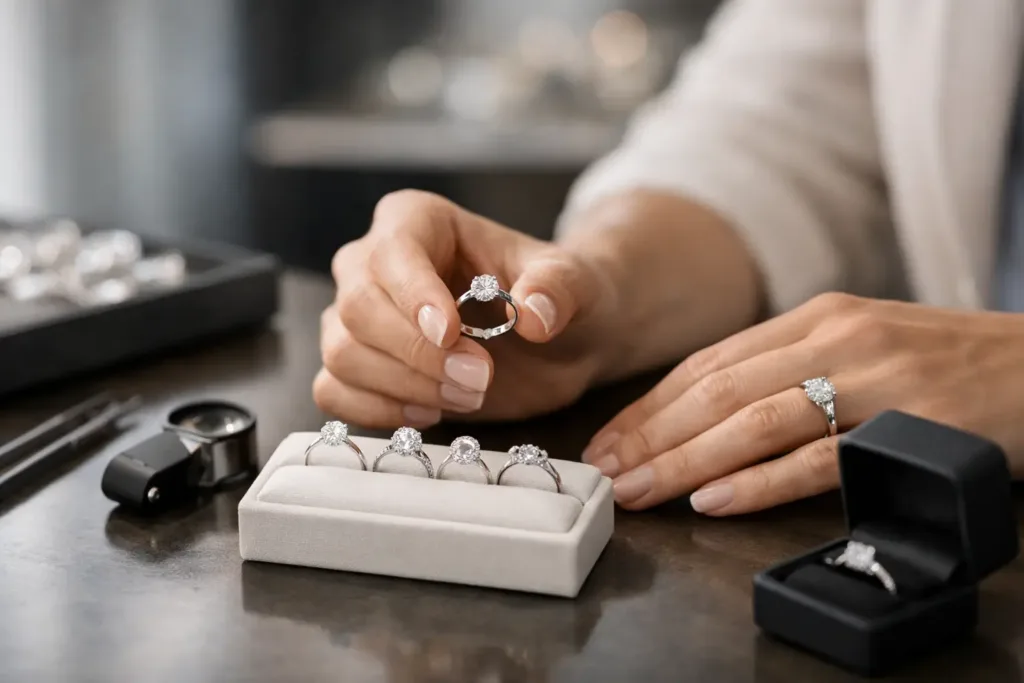
A diamond ring is often chosen for one remarkable moment, then worn through thousands of ordinary ones. That is why diamond rings deserve more consideration than a quick comparison of carat weights or a glance at a photograph. The right piece should look exceptional, feel comfortable every day and come with clear evidence of its quality, origin and value.
Whether you are selecting an engagement ring, marking an anniversary or choosing a meaningful gift, confidence begins with understanding what you are buying. From the diamond itself to the metal, setting and certification, each decision shapes both the appearance of the ring and the pleasure of owning it.
The most memorable rings have balance. A larger diamond may be impressive, but its beauty can be reduced by a poor cut, an unsuitable setting or a metal that does not suit the wearer’s lifestyle. Equally, a well-cut diamond of modest carat weight can appear bright, elegant and beautifully proportioned.
Start with the four qualities used to assess diamonds: cut, colour, clarity and carat weight. They should be considered together rather than in isolation. The cut is especially influential because it controls how effectively light returns to the eye. A diamond with excellent proportions and precise faceting will show lively brightness, fire and sparkle.
Colour is graded according to the absence of visible tint. Higher colour grades tend to appear icy white, particularly in platinum or white gold settings. Yet near-colourless diamonds can offer excellent value and look beautifully white once mounted. Yellow and rose gold can also complement diamonds with warmer undertones, making this a considered design choice rather than a compromise.
Clarity refers to the natural internal features and surface characteristics found in diamonds. Many inclusions are not visible without magnification, so an eye-clean diamond can be a sensible choice for customers who want visual beauty without paying for details that cannot be seen when the ring is worn. Carat weight measures a diamond’s weight, not necessarily its face-up size. Shape, cut and setting all affect how large a stone appears.
For a significant purchase, independent diamond certification matters. A certificate records the stone’s assessed characteristics and enables you to compare like for like with greater confidence. It is also useful for insurance, valuation and future reference.
Ask to see the diamond certificate and make sure the details correspond with the stone you are purchasing. A reputable jeweller should explain the grades in straightforward language, not rely on technical terms to rush a decision. Clear pricing and documented specifications are essential when buying fine jewellery online or at an appointment.
Both natural and lab-grown diamonds are real diamonds. They have the same chemical composition, hardness and visual brilliance, but they differ in origin. Natural diamonds formed deep within the Earth over vast periods of time. Lab-grown diamonds are created in controlled conditions using advanced technology.
For some buyers, the rarity and natural history of a mined diamond hold lasting emotional appeal. Others choose lab-grown diamonds because they can often secure a larger or higher-specification stone within the same budget. Neither option is universally better. The right choice depends on what you value most: natural provenance, size, rarity, budget or a particular design ambition.
It is important to be realistic about value. Fine diamond jewellery should be purchased first for its craftsmanship, beauty and personal significance. While certain natural diamonds may retain value more strongly than others, a diamond ring is not the same as investment-grade bullion. If your priority is precious-metal investment, separately priced 24K gold bars are generally the more direct option. A ring, meanwhile, is made to be seen, worn and treasured.
Ethical sourcing and transparency should be part of the conversation whichever diamond you choose. Look for clear information about the stone’s origin, certification and the retailer’s standards, alongside support that continues after the purchase.
A ring can look exquisite in a presentation box but feel impractical after a week of wear. The setting determines how the diamond is held, how much light reaches it and how easily it fits into daily life.
A classic solitaire places the focus entirely on one centre diamond. It is timeless, versatile and easy to pair with a wedding band. A halo setting surrounds the centre stone with smaller diamonds, adding presence and sparkle. Three-stone designs offer a balanced, meaningful look, while oval, pear and marquise shapes can create an elongated appearance on the finger.
The height of the setting deserves particular attention. High-set diamonds can feel dramatic and allow plenty of light into the stone, but they may catch on knitwear, hair or gloves. A lower-profile setting is often more practical for active hands or healthcare, hospitality and childcare roles. For extra protection, a bezel setting encloses the edge of the diamond in metal, creating a sleek and secure finish.
Platinum is naturally white, dense and highly durable, making it a popular choice for engagement rings. It develops a soft patina over time, which many owners appreciate, and it is often favoured by those with sensitive skin. White gold offers a similarly bright appearance at a different price point, though its rhodium plating may need refreshing over the years to maintain its crisp white finish.
Yellow gold brings warmth and traditional luxury, while rose gold has a softer, contemporary character. Gold jewellery is available in different purities, including 9K, 14K, 18K and 22K. Higher gold content gives a richer colour, but lower-karat alloys can offer greater hardness for rings worn every day. The best choice depends on the desired colour, budget and level of daily wear.
For UK buyers, hallmarks provide valuable reassurance that the precious-metal content has been independently verified. They are a small detail with significant importance, especially when purchasing fine jewellery intended to last for generations.
A bespoke ring is not only for those seeking an elaborate design. It can be the best route when you have a specific diamond shape in mind, need a setting adapted for comfort or want to combine family stones with a new design. It also allows you to control the details that make a ring feel personal: band width, setting height, metal colour, engraving and the balance between centre and side stones.
The process should feel considered, not intimidating. Begin with a realistic budget and a clear idea of the wearer’s style. A good jeweller can then help refine the design, recommend suitable diamond specifications and ensure the ring is technically sound as well as visually striking. This is particularly valuable when matching an engagement ring to an existing wedding band.
Fine jewellery is a meaningful purchase, and you should never feel pressured to make a decision before you understand it. Compare the complete ring, not only the headline diamond grade. Consider the certificate, metal quality, craftsmanship, ring size, setting security and aftercare available to you.
Practical protections also matter. Check the returns policy, delivery arrangements, warranty and repair or resizing support before placing an order. For overseas buyers, confirm that shipping, duties and any local charges are clearly explained. These details make a genuine difference when buying a high-value piece from a distance.
Hispek Diamonds combines certified diamond jewellery, carefully selected natural and lab-grown stones, UK hallmarked precious metals and bespoke design support to make that decision feel straightforward. The aim is not simply to find a ring that photographs well, but one that brings confidence every time it is worn.
The most rewarding choice is the one that reflects the wearer, fits the life they lead and comes with the assurance that every detail has been chosen well.
Find the best diamond pendants for gifting, from solitaire classics to modern designs, with expert tips on style, budget, certification and value.
Comparing 18k vs 22k gold? Learn the difference in purity, durability, colour, value and best uses for jewellery, gifting and long-term wear.
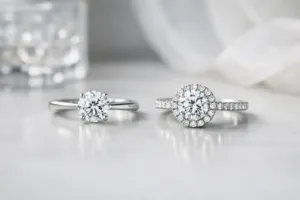
Diamond solitaire or halo – compare sparkle, size, price and style to choose the right engagement ring with confidence and lasting value.

Gold bars vs gold coins – compare cost, liquidity, storage and tax treatment to choose the right 24K gold investment for your goals today.
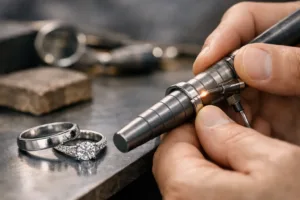
Can you resize platinum rings? Learn when platinum rings can be made bigger or smaller, what affects cost, and when resizing is not advised.
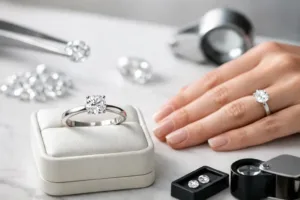
Our guide to buying engagement diamonds covers cut, clarity, carat, certification, budgets and settings so you can choose with confidence.