

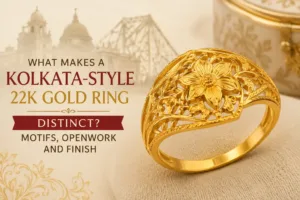
What Makes a Kolkata-Style 22K Gold Ring Distinct? Motifs, Openwork and Finish
A Kolkata-style 22K gold ring is easier to understand when you stop looking at it simply as a yellow gold ring and start examining how…
We Buy Gold . Top Prices Paid .
7 Day Price Promise .
30 Day Returns
Free World Wide Shipping
Life Time Warranty
We Buy Gold . Top Prices Paid .
7 Day Price Promise .
30 Day Returns
Free World Wide Shipping
Life Time Warranty

+44 203 965 6669
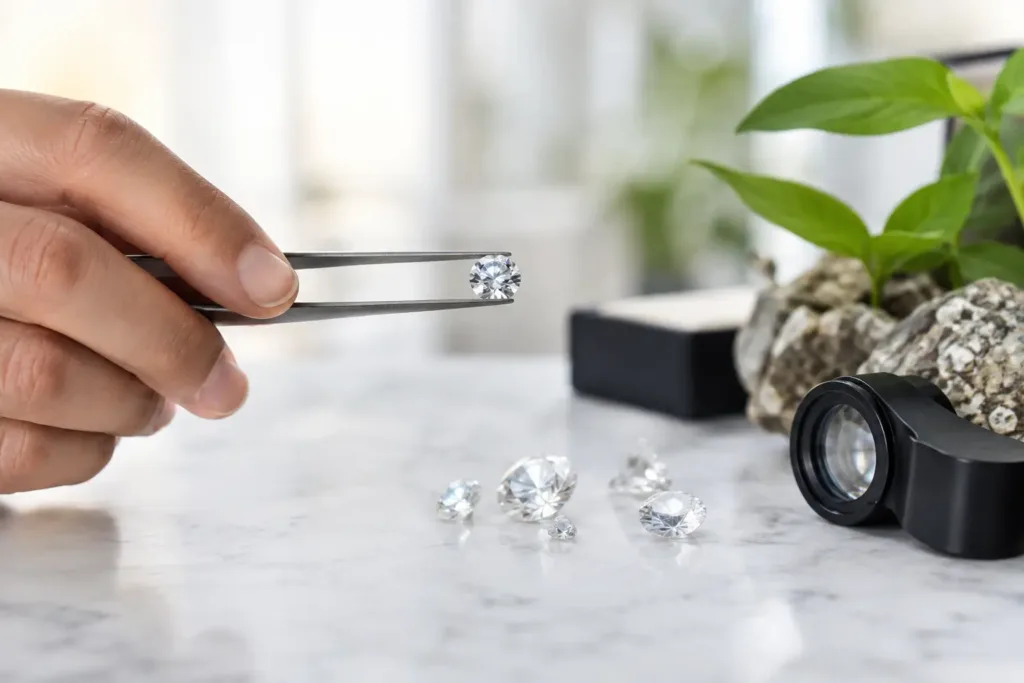
A diamond can mark an engagement, anniversary or personal milestone for decades. That is precisely why ethical diamonds deserve more than a quick label check. A responsible purchase means understanding where a stone comes from, what documentation supports its journey, and how its quality has been assessed.
For many buyers, ethics and beauty are not competing priorities. You can choose a striking, certified diamond while asking clear questions about provenance, supply-chain standards and long-term value. The key is to recognise that “ethical” is not one fixed diamond category. It is a set of considerations that should be evidenced as clearly as possible.
An ethical diamond is generally understood to be one supplied with consideration for human rights, fair labour, environmental impact and responsible business practices. In practical terms, this means looking beyond the finished sparkle and asking whether the seller can explain the stone’s origin and the standards applied throughout its supply chain.
For natural diamonds, responsible sourcing may involve established mine-to-market programmes, supplier assurances and compliance with recognised international controls designed to prevent conflict diamonds entering legitimate trade. The Kimberley Process has an important role in restricting the movement of rough diamonds linked to rebel movements, but it is not a complete answer to every social or environmental concern. It does not, for example, provide a full picture of working conditions, community impact or carbon emissions at every mine.
That distinction matters. A retailer should not make vague promises that cannot be supported. Stronger ethical claims are based on traceability, documented supplier relationships, independent standards where available and clear communication about what is known about a stone’s journey.
Both natural and lab-grown diamonds can be considered by customers seeking a more considered purchase, but they offer different advantages and questions.
A natural diamond was formed over billions of years and recovered from the earth. Its rarity, geological history and established position in the fine jewellery market remain important to many engagement-ring buyers. When choosing a natural diamond, ask about the supplier’s responsible sourcing policies and whether the stone has additional provenance information beyond its grading report.
Lab-grown diamonds have the same fundamental optical, chemical and physical properties as mined diamonds. They are created in controlled conditions using advanced technology, rather than extracted from a mine. Their lower price per carat can make larger sizes or higher colour and clarity grades more accessible, which is a meaningful benefit for many couples.
However, “lab-grown” should not automatically be treated as synonymous with “ethical”. Production requires significant energy, and the environmental outcome depends partly on the energy source used by the grower. Responsible lab-grown diamond suppliers should be able to speak plainly about manufacturing standards, disclosure and the separation of lab-grown stock from natural diamonds.
The right choice depends on your priorities. If you value natural rarity and traditional heritage, a responsibly sourced natural stone may be right for you. If you prefer a laboratory-created diamond and want to maximise size or specification within your budget, a certified lab-grown diamond can be an excellent choice. Neither option removes the need for transparency.
Diamond certification gives you an independent assessment of a stone’s characteristics. A recognised grading report typically records the 4Cs: cut, colour, clarity and carat weight. It may also include measurements, proportions, fluorescence and an identifying report number.
This documentation is central to buying with confidence. It allows you to compare diamonds fairly, understand why two visually similar stones may be priced differently and retain a clear record of what you have purchased. For lab-grown diamonds, the report should explicitly identify the stone as laboratory-grown.
Yet grading and ethical provenance are different things. A grading report confirms quality characteristics, not necessarily a complete chain of custody or environmental profile. Think of certification as one part of a well-informed purchase: vital for authenticity and value, but best paired with meaningful sourcing information from a reputable jeweller.
When viewing a diamond, ask whether the report is from an established independent laboratory, whether the report number matches any laser inscription, and whether the retailer can clearly explain the origin claims being made. A confident answer should be specific, not overly polished or evasive.
For an engagement ring or significant jewellery purchase, a few direct questions can provide valuable reassurance. Ask whether the diamond is natural or lab-grown, what independent certification accompanies it, and what the retailer knows about its sourcing route.
It is also sensible to ask how the item is hallmarked, what metal has been used, and what aftercare is available. A diamond may be the focal point, but the setting determines how securely and comfortably it will be worn. In the UK, appropriate hallmarking provides a useful assurance of precious-metal fineness, while professional sizing, repairs and cleaning can help protect the piece over time.
For bespoke jewellery, request a clear specification before manufacture begins. This should cover the diamond’s certified characteristics, the chosen metal, setting style, ring size and expected delivery period. Bespoke work offers the opportunity to create something genuinely personal, but clarity at the design stage is what keeps the experience enjoyable and protects your expectations.
Ethical buying is not limited to the centre stone. The gold or platinum surrounding a diamond has its own supply chain, and the quality of craftsmanship affects how long the piece will remain in use.
A well-made ring designed for daily wear is often a more responsible choice than a delicate design that requires frequent replacement. Consider whether the band has enough substance for your lifestyle, whether the setting protects the diamond, and whether future resizing is likely to be possible. Platinum offers exceptional durability and a naturally white finish, while gold provides a range of tones and caratages to suit different styles and budgets.
Recycled precious metals can be part of a more circular approach, although buyers should still expect accurate metal descriptions and UK hallmarking. Choosing a timeless design rather than following a short-lived trend can also support longevity. A classic solitaire, three-stone ring or carefully designed halo can be refreshed through cleaning, servicing and small adjustments without losing its character.
Ethical considerations should sit alongside clear value. A higher price does not automatically prove stronger sourcing credentials, just as a lower price does not mean a diamond is inferior. Price reflects a combination of carat weight, cut quality, colour, clarity, certification, origin, market conditions and the craftsmanship of the finished piece.
Be cautious of claims that sound absolute, particularly where little supporting detail is offered. “Conflict-free”, “sustainable” and “eco-friendly” can be useful terms only when a retailer explains what they mean in relation to the specific stone or collection. The most trustworthy approach is transparent: it acknowledges that supply chains are complex, explains the checks in place and gives customers enough information to decide for themselves.
This is especially relevant when comparing natural and lab-grown diamonds. Lab-grown stones can offer remarkable visual impact for the budget, but their resale market and pricing patterns differ from natural diamonds. Natural diamonds may carry a premium for rarity, though neither type should be purchased solely as a guaranteed financial investment. Buy the diamond that suits your values, style and budget, then protect it with careful documentation, insurance and professional aftercare.
A premium diamond purchase should feel considered, not pressured. Take time to compare certificates, look closely at cut and brilliance rather than carat weight alone, and choose a setting that reflects how the jewellery will be worn. If you are buying remotely, clear imagery, detailed specifications, returns information and access to expert guidance are particularly valuable.
Hispek Diamonds supports customers with certified natural and lab-grown diamond choices, bespoke design expertise and the practical reassurance of UK hallmarking, aftercare and transparent product information. Whether you are choosing a first engagement ring or a lasting gift, the aim is the same: a piece that feels beautiful now and remains meaningful for years to come.
The most responsible diamond is not defined by a single marketing phrase. It is the one you choose with open information, credible certification and a clear understanding of the story you want your jewellery to carry.
A Kolkata-style 22K gold ring is easier to understand when you stop looking at it simply as a yellow gold ring and start examining how…

Discover platinum jewellery benefits, including enduring strength, natural white colour, skin-friendly purity, rarity and considered long-term value.
Discover platinum jewellery benefits, including enduring strength, natural white colour, skin-friendly purity, rarity and considered long-term value.
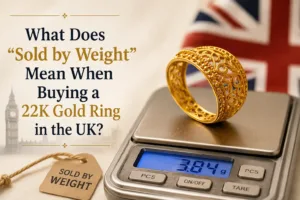
When a 22K gold ring is sold by weight, the gram weight of the ring becomes an important part of understanding what you are buying…
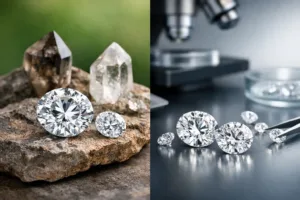
Compare natural diamonds vs lab diamonds by beauty, value, origin and price. Choose a certified stone for your engagement ring with confidence today.

Our lab diamond review explains certification, value, quality and care, helping UK buyers choose an ethical, beautiful ring with confidence every day.
