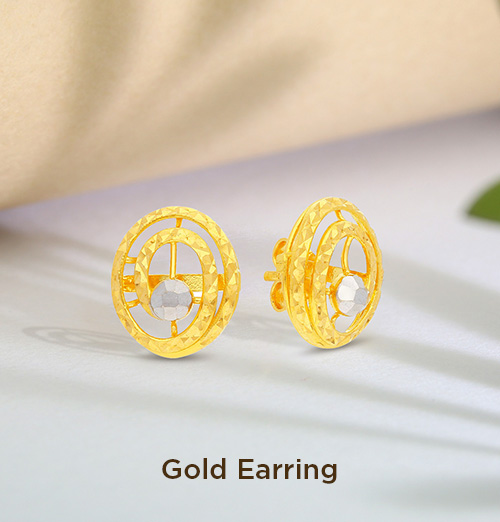
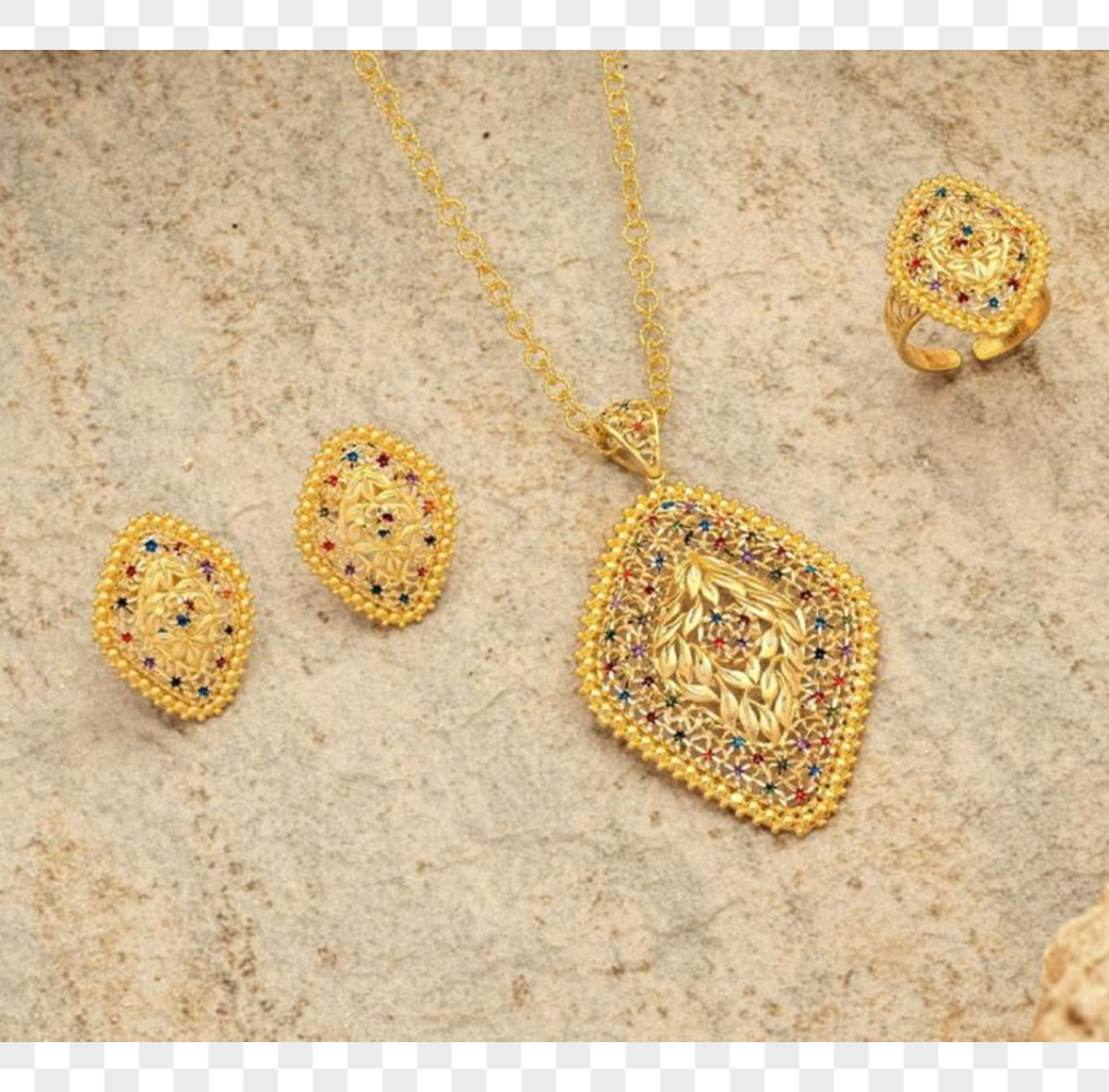
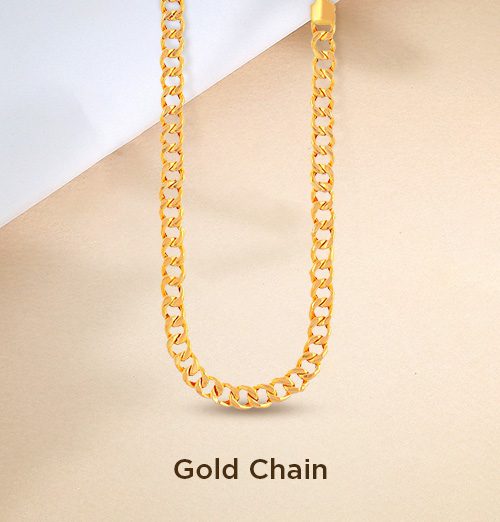
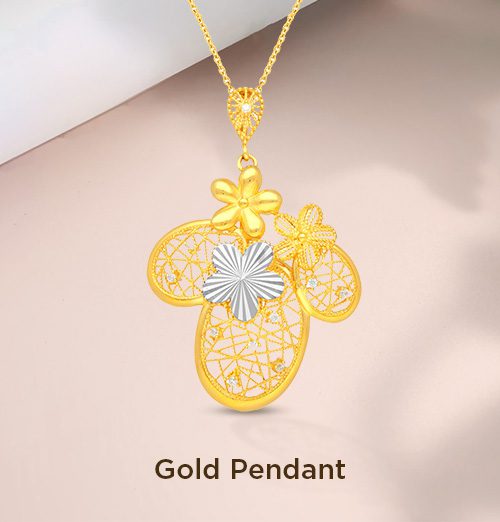
A gold chain can look effortless on the page and completely different in your hand. The weight, the tone, the finish and the purity all affect how gold jewellery feels to wear and how well it holds up over time. If you are buying for a wedding, a gift, everyday wear or a milestone purchase, knowing what sits behind the shine helps you choose with far more confidence.
Why gold jewellery still matters
Gold has always occupied a rare position in fine jewellery. It carries emotional value, visible status and long-term material worth in a way few other metals can match. That is exactly why customers return to it for engagement rings, wedding bands, occasion pieces, heirloom gifts and personal investments in style.
What makes gold especially appealing is its range. A delicate 9K pendant, a classic 18K engagement ring and a traditional 22K bridal set all sit under the same category, but they serve different priorities. Some buyers want durability for daily wear. Others want richer colour, higher purity or cultural significance. The right choice depends less on trends and more on how the piece will be worn, gifted or passed on.
Understanding gold jewellery purity
Purity is one of the first things to check because it affects colour, durability and price. Gold in its purest form is 24K, but pure gold is relatively soft, which is why most wearable jewellery is made in lower carats mixed with other metals for strength.
9K, 14K, 18K and 22K gold
9K gold is a practical option for buyers who want accessible pricing and good durability. It is often well suited to pendants, earrings and pieces designed for frequent wear. 14K offers a useful middle ground, though in the UK 9K, 18K and 22K are generally the more familiar benchmarks for fine jewellery.
18K gold is a premium choice for those who want a richer gold content without giving up too much strength. It is especially popular for diamond rings, wedding jewellery and investment-conscious luxury purchases because it balances beauty with wearability.
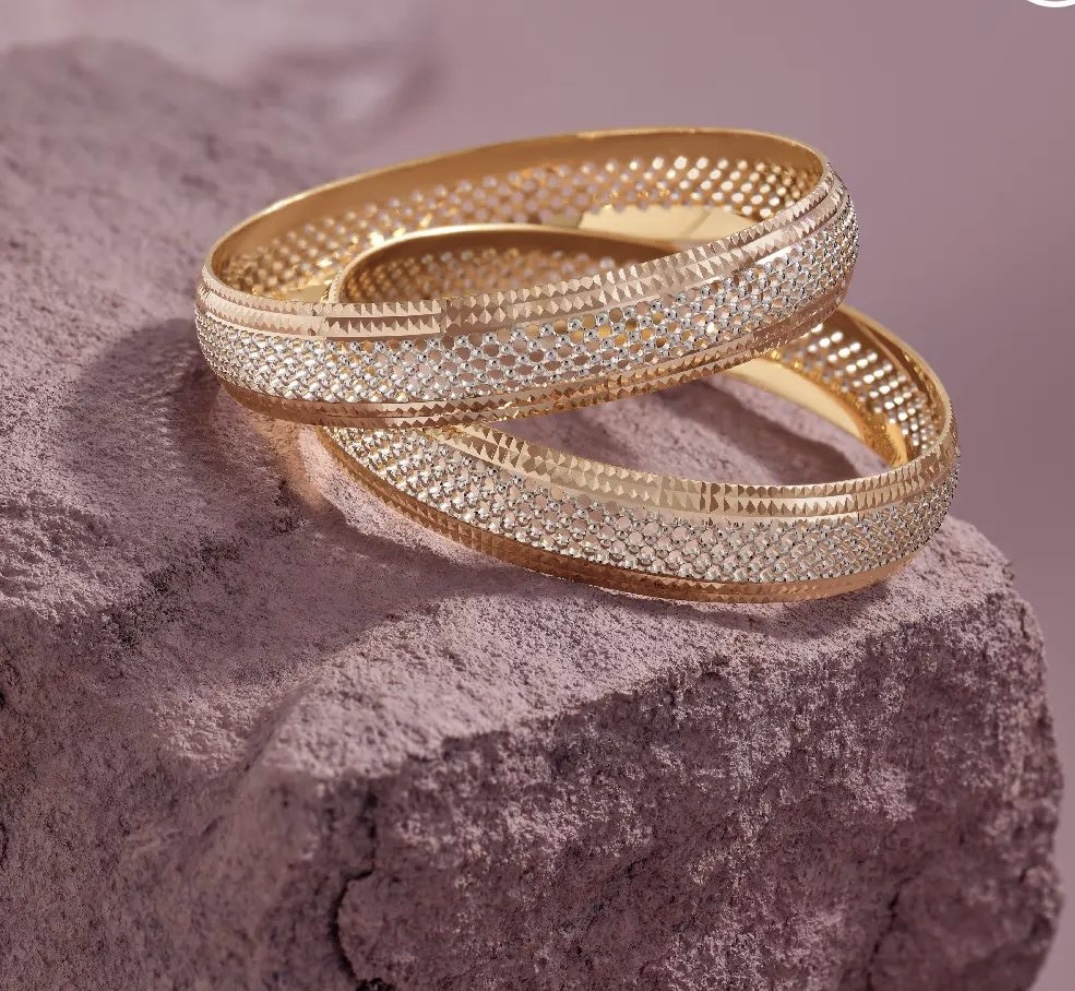
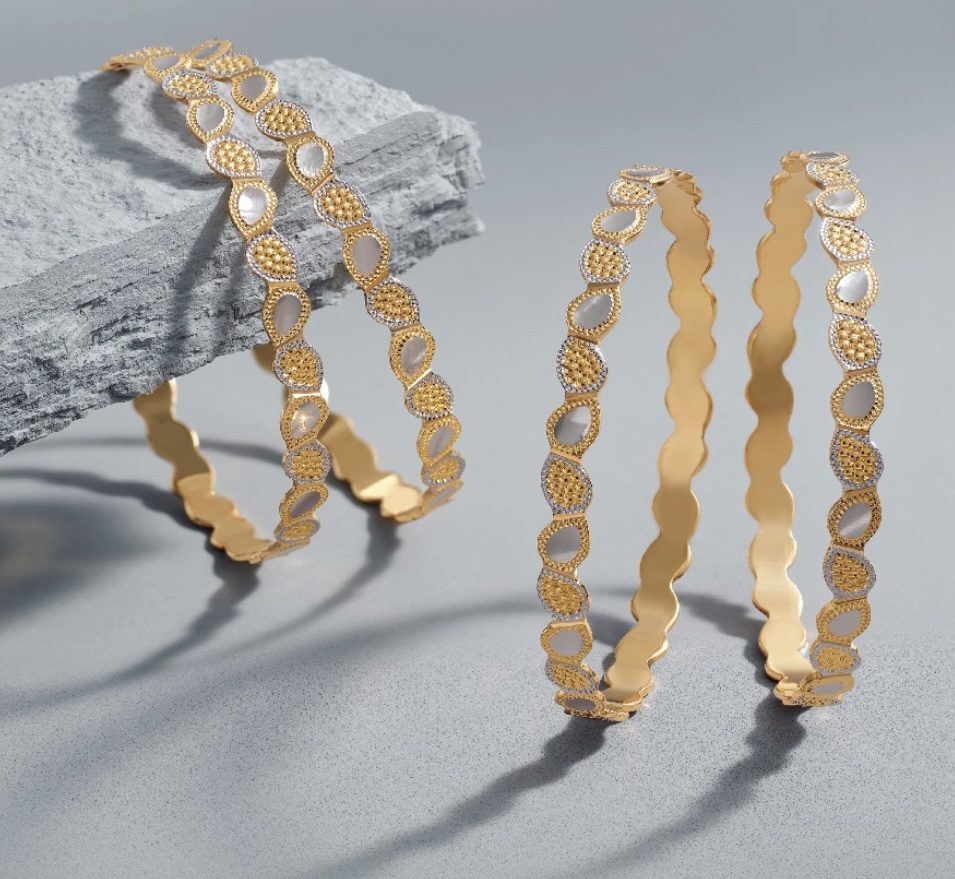
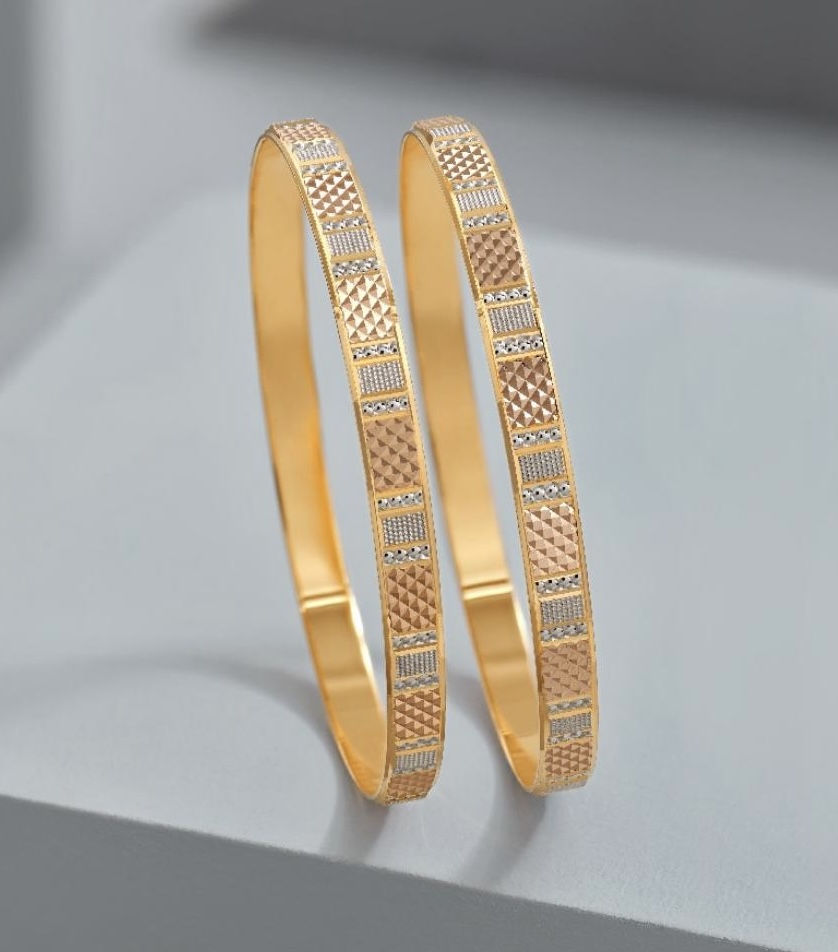
22K gold has a high gold content and a noticeably rich, warm tone. It is highly sought after in traditional and Asian jewellery, particularly for bridal sets, bangles and statement pieces. The trade-off is softness. It is stunning, but not always the best choice for settings that need to protect stones during daily wear.
If you are comparing options, the question is not simply which is best. It is which is best for your lifestyle. A ring worn every day faces different demands from a necklace brought out for weddings and celebrations.
Hallmarking and certification matter
In the UK, hallmarking is one of the clearest trust signals when buying gold jewellery. A hallmark confirms that the metal has been independently tested and meets legal standards of purity. For a customer spending serious money, that matters.
A properly hallmarked piece helps remove doubt. It supports authenticity, resale confidence and peace of mind. When you are buying online or from overseas, this reassurance becomes even more valuable. The difference between a trusted retailer and an uncertain one is often found in these details – transparent purity information, clear product specifications and recognised standards.
For stone-set jewellery, certification can matter just as much as hallmarking. If you are purchasing diamond jewellery, especially engagement rings or higher-value pieces, documented grading and clear disclosure around natural or lab-grown stones should be part of the conversation from the outset.
Choosing the right colour and style
Gold is not one look. Yellow gold remains the most classic and culturally significant choice, but white gold and rose gold have firmly earned their place in modern fine jewellery.
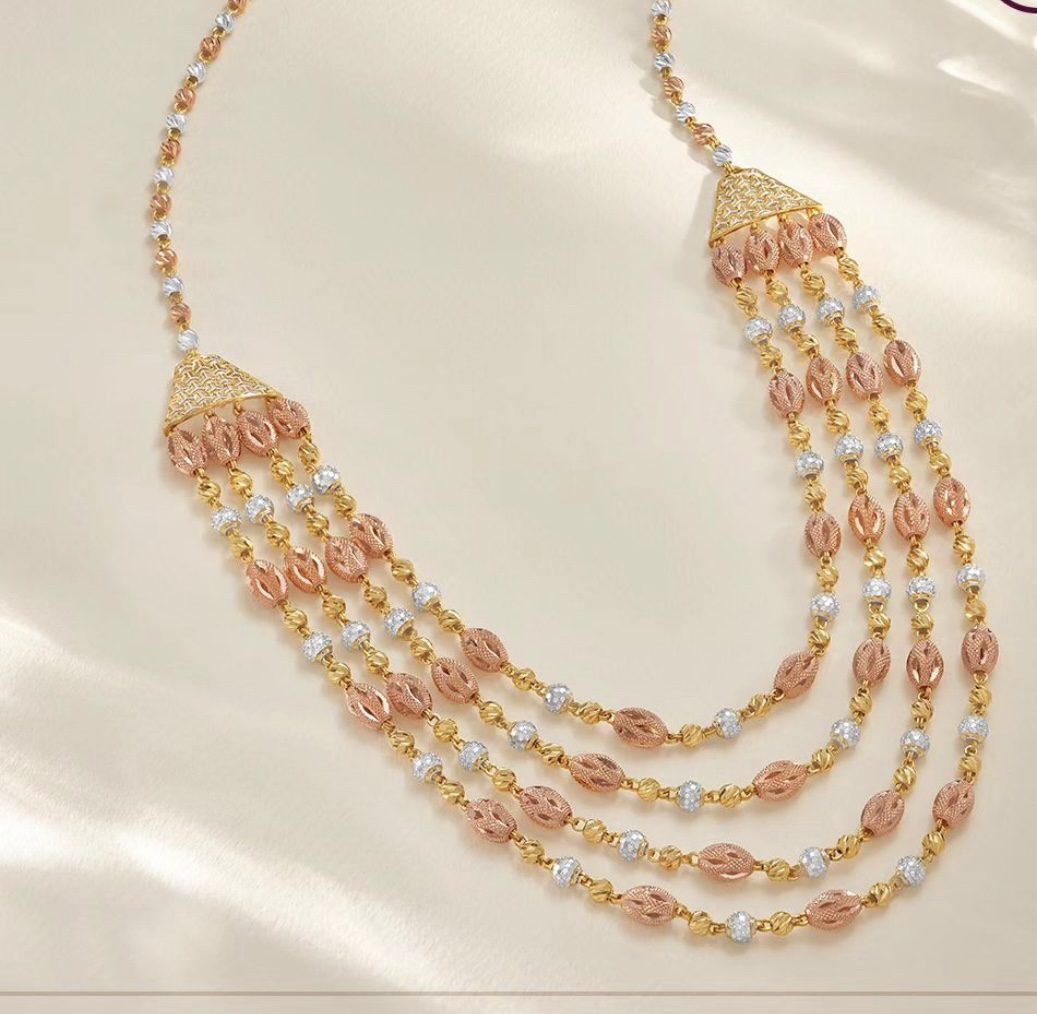
Yellow gold suits buyers who want warmth, tradition and a timeless appearance. It works particularly well in bridal jewellery, heritage-inspired designs and high-purity pieces such as 22K. White gold has a cooler, more contemporary feel and is often preferred for diamond settings because it can visually enhance the brightness of the stone. Rose gold offers a softer, more individual look and appeals to buyers who want something romantic without being overly formal.
Style should be considered alongside practicality. A heavy curb chain, a fine tennis bracelet, a pair of gold hoops and a bespoke engagement ring may all be made from gold, yet they involve very different buying decisions. Weight, clasp security, stone setting, profile and finish all influence how the piece performs after purchase.
Gold jewellery for gifting and milestones
Some purchases are deeply personal. Others are about marking a moment properly. Gold jewellery works so well for gifting because it carries permanence. Birthdays, anniversaries, weddings, new arrivals and religious celebrations all call for something with significance, not just surface appeal.
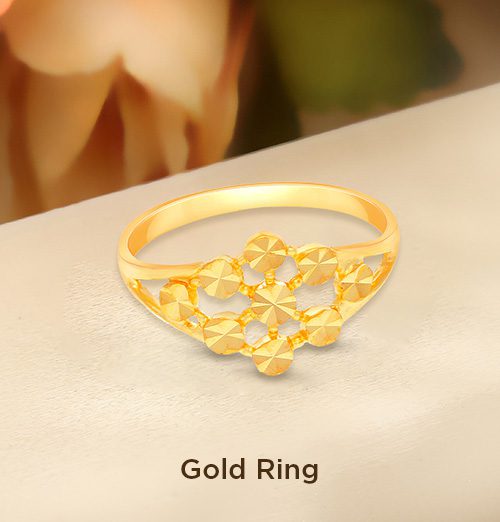
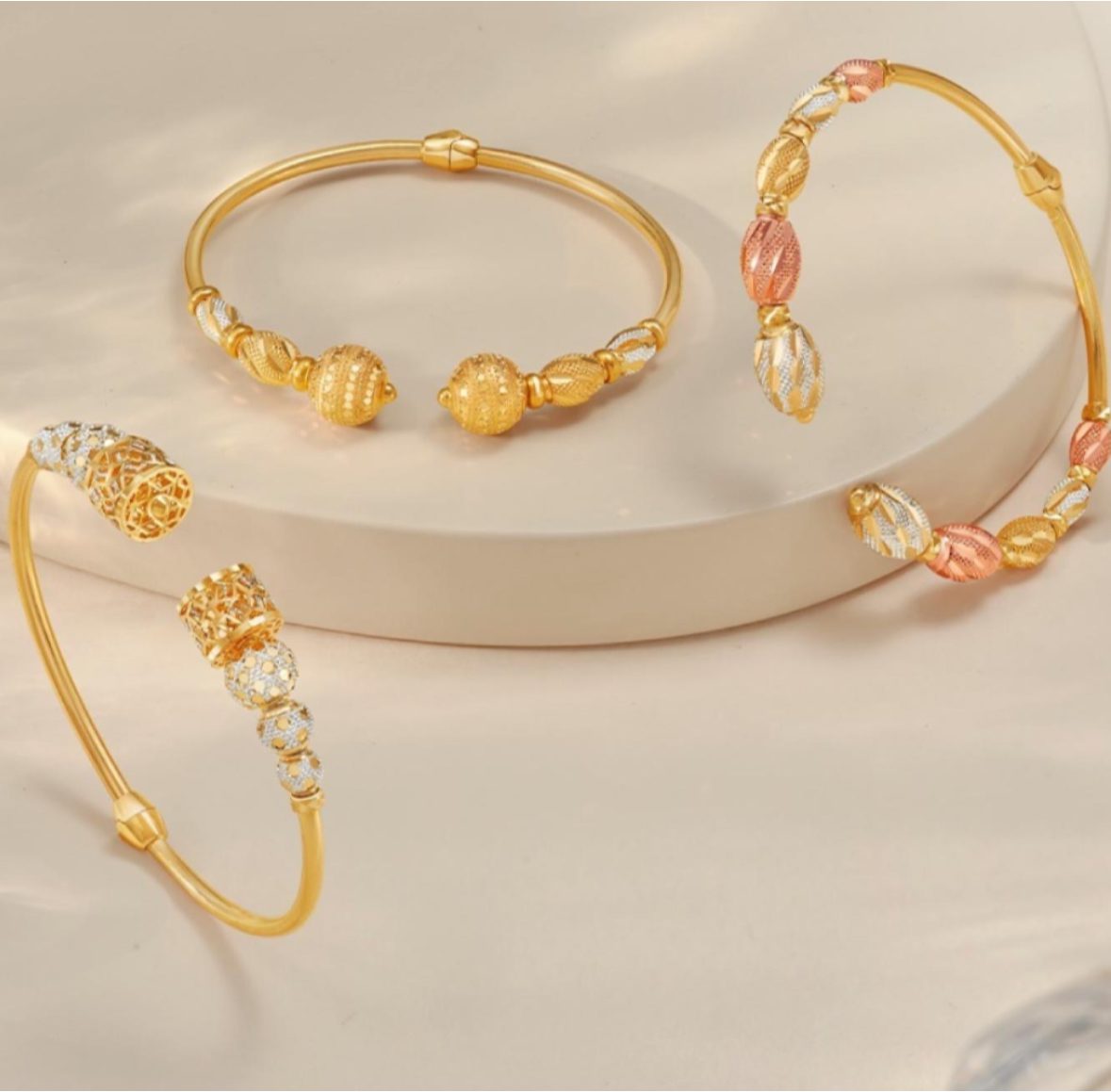
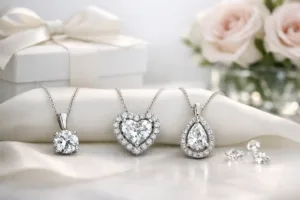
For gifting, the safest choices are often pendants, earrings, chains and bangles in classic designs. Ring purchases usually need more certainty around sizing and style preference unless you are buying with the recipient involved. If the occasion is major, bespoke design becomes especially appealing because it allows you to create something exclusive rather than approximate.
This is where service matters as much as product. Guidance on metal choice, sizing, design and aftercare can make a high-value purchase feel straightforward rather than risky. Premium retailers understand that reassurance is part of the product.
Gold jewellery as a value-led purchase
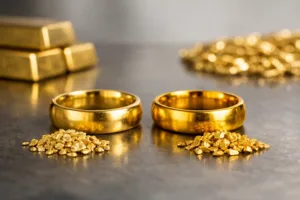
Not every jewellery purchase is purely sentimental. Many buyers are also thinking about long-term value. Gold jewellery sits in an interesting middle ground between adornment and asset. It is not the same as investment bullion, and it should not be treated as a direct substitute, but its intrinsic metal value still matters.
That is one reason purity, weight and craftsmanship deserve close attention. Two pieces may appear similar in photographs while differing materially in gold content, finish and construction. Transparent pricing helps you understand what you are paying for – not only the metal, but also the design work, stone content, setting complexity and brand confidence behind the piece.
For customers who want both luxury and tangible value, this balance is compelling. A well-made gold bracelet or ring can be worn for years, gifted later or retained as part of a wider collection of precious assets. It offers more substance than fashion jewellery and more emotional return than a purely financial holding.
How to buy gold jewellery with confidence
Buying well starts with asking the right questions. What carat is it. Is it hallmarked. What is the piece weight. Is it designed for daily wear or occasional use. Are any stones certified. Is there a warranty or returns policy. Can it be resized or repaired later.
These are not minor details. They are what separate a confident purchase from an expensive guess. This is especially relevant online, where the quality of a retailer’s information says a great deal about the quality of its service.
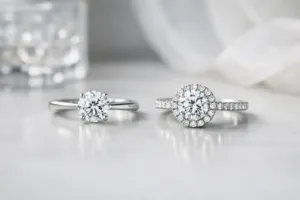
A strong jeweller will be clear about materials, honest about trade-offs and ready to advise on what suits your budget and purpose. If you are buying an engagement ring, for example, 18K gold may be the better long-term option than 22K because the setting needs strength. If you are choosing a traditional wedding bangle, higher purity may be exactly what you want.
At Hispek Diamonds, that blend of premium choice and practical guidance is central to the buying experience. Customers are not simply choosing a product. They are choosing authenticity, support and confidence in what arrives.
Caring for gold jewellery over time
Even premium gold needs proper care. Daily wear exposes jewellery to knocks, lotions, cleaning products and general friction. Over time this can dull the finish or loosen stone settings, especially on rings and bracelets.
Regular cleaning with appropriate products helps maintain appearance, but gentleness is key. Harsh chemicals and abrasive cloths can do more harm than good. It is also worth storing pieces separately to avoid scratches, particularly if you own mixed jewellery in gold, platinum and silver.
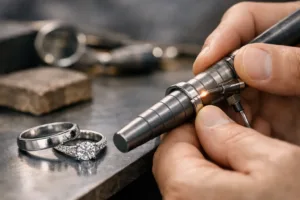
Professional checks are wise for valuable or frequently worn items. Clasps, claws, settings and links can all wear gradually. A quick inspection and timely repair is usually far better than waiting for damage or stone loss.
The best gold jewellery does not rely on first impressions alone. It keeps its place in your collection because it was chosen well, made properly and cared for sensibly. If you buy with that standard in mind, you are far more likely to end up with a piece that still feels right years from now.