

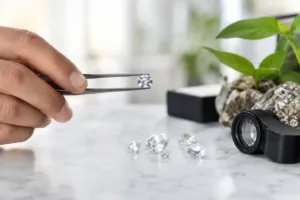
Ethical Diamonds and What to Ask Before You Buy
Ethical diamonds explained: understand sourcing, traceability, certification and lab-grown choices before choosing a ring you can wear with confidence.
We Buy Gold . Top Prices Paid .
7 Day Price Promise .
30 Day Returns
Free World Wide Shipping
Life Time Warranty
We Buy Gold . Top Prices Paid .
7 Day Price Promise .
30 Day Returns
Free World Wide Shipping
Life Time Warranty

+44 203 965 6669
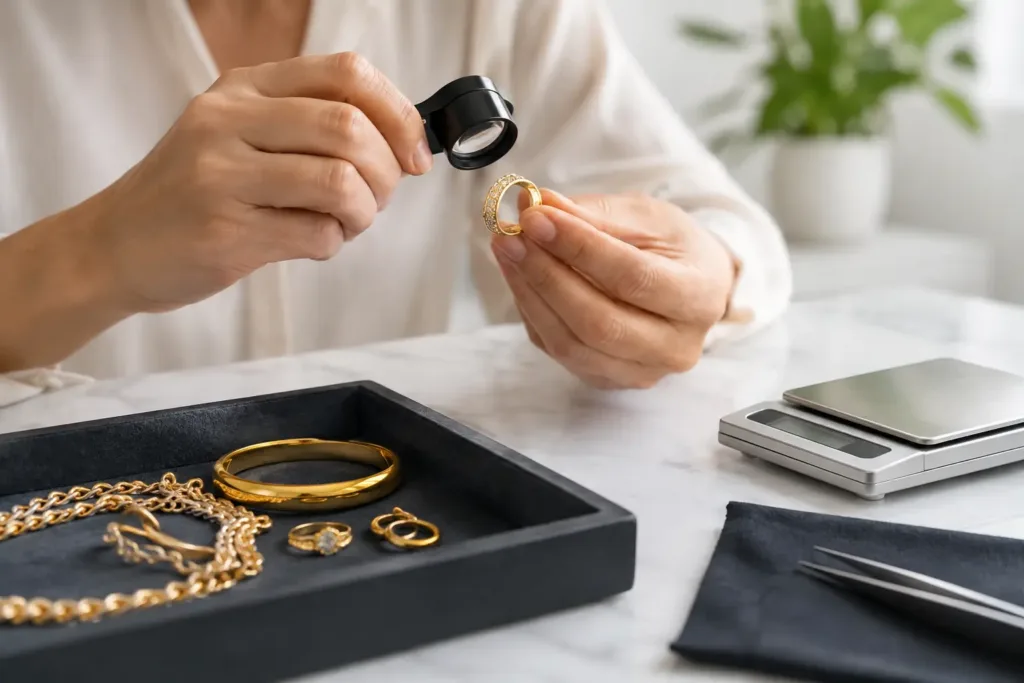
A gold chain may carry family history, a diamond ring may mark an engagement, and a 22K bangle may be bought as both jewellery and a store of value. That is why learning how to value gold jewellery starts with one essential question: are you assessing its gold content, its resale appeal, or its replacement cost? Each can produce a very different figure.
For a reliable valuation, look beyond the colour and the total weight. Purity, hallmarking, current gold prices, gemstones, condition and craftsmanship all matter. A clear method helps you understand what you own and make decisions with confidence, whether you are selling, insuring, gifting or comparing a new purchase.
The value of gold jewellery is usually built from two layers. First is its intrinsic metal value – the amount of pure gold it contains. Second is its jewellery value – the worth added by design, brand, workmanship, diamonds or other gemstones, and current market demand.
A plain, damaged 9K ring may be valued mainly for scrap gold. A well-made 18K diamond engagement ring, however, should never be judged by gold weight alone. Its setting, certified diamond and condition may contribute far more than the metal content.
Start by establishing the item’s hallmark, weight and purity. Then decide which type of valuation you need. This avoids a common disappointment: comparing a scrap-gold offer with an insurance valuation. They are designed for entirely different purposes.
In the UK, most precious metal jewellery above the legal exemption weight must be hallmarked before sale. A hallmark is one of the strongest starting points because it identifies the precious metal and its fineness in parts per thousand.
Common gold fineness marks include 375 for 9K gold, 585 for 14K, 750 for 18K, 916 for 22K and 999 or 999.9 for fine gold. The higher the number, the greater the proportion of pure gold within the alloy. Gold is alloyed with other metals to influence strength, colour and wearability, so an 18K white gold ring and an 18K yellow gold ring generally contain the same percentage of gold despite looking different.
Hallmarks may also show the assay office mark, sponsor’s mark and, on some pieces, a date letter. These details support authenticity and can help identify the age of a piece. If a stamp is worn, missing or unclear, do not assume the item is valueless or impure. A professional jeweller can test it using appropriate methods.
Gold is commonly priced by the gram in jewellery transactions, while international bullion prices are often quoted per troy ounce. One troy ounce equals 31.1035 grams, not the standard 28.35 grams used for everyday ounces.
Use accurate digital scales that measure to at least 0.1g, ideally 0.01g for lighter items. Weigh the complete piece, but remember that the figure may include stones, clasps, non-gold components or interior mechanisms. This is especially relevant for gemstone rings, watches, lockets and hollow jewellery.
A solid 22K gold bangle can hold substantial intrinsic value because of its high purity and weight. By contrast, a delicate 9K pendant may have a lower gold content even if it appears similarly sized. Hollow links and lightweight construction can also make a piece look more substantial than it is.
Once you know the weight and fineness, you can estimate the pure gold content. Multiply the total weight in grams by the purity as a decimal. For example, an 18K item marked 750 is 75% gold. A 10g 18K bracelet therefore contains approximately 7.5g of pure gold before allowing for gemstones or non-gold fittings.
The basic calculation is:
Item weight in grams × fineness = pure gold weight in grams
To estimate the metal value, multiply the pure gold weight by the current price of pure gold per gram. Gold prices move throughout the day, influenced by global markets, currency movements and investor demand. Always use a current UK spot price as a guide rather than relying on an old figure.
This calculation provides a benchmark, not an automatic selling price. A buyer purchasing jewellery for refining must account for testing, handling, refining and market risk. Their offer will therefore be lower than the theoretical pure-gold value. The precise difference depends on the buyer, the quantity and the item’s resale potential.
Scrap value is useful for broken, mismatched or heavily worn items with no significant gemstone or design value. It is not a complete valuation for fine jewellery.
A recognised maker, an unusual antique design, hand-finished detail or a desirable contemporary style can command a premium over scrap. Jewellery that is clean, structurally sound and ready to wear is often worth more as jewellery than as material for melting. Original packaging, purchase documents and certificates can also strengthen buyer confidence.
Diamonds and coloured gemstones require separate assessment. A diamond’s value depends on its carat weight, cut, colour, clarity, certification and demand. For coloured stones, treatment history, origin where established, condition and quality can all affect value. Small commercial stones may add little to a scrap offer, while a sizeable certified diamond can transform the overall valuation.
Be cautious with verbal claims that a stone is natural, untreated or of a particular carat weight. A professional assessment and supporting documentation are more dependable than assumptions. This matters particularly for diamond jewellery, where natural and lab-grown diamonds have different market values despite sometimes looking identical to the eye.
Condition can affect resale value even where the gold weight remains unchanged. Worn claws, stretched chains, dents, thinning shanks and damaged clasps may reduce what a buyer is prepared to pay because repair work is required before resale.
Equally, a repair should be considered carefully. Restoring a timeless piece may preserve its wearability and sentimental value, but extensive alterations to antique jewellery can reduce collector appeal. The right choice depends on whether you intend to wear, insure, sell or pass the item down.
Design trends also play a part. Heavy 22K chains and bangles can be valued for both gold content and strong demand in certain markets. Classic solitaire rings, substantial signet rings and well-proportioned tennis bracelets often have broad appeal. Highly personalised pieces may be precious to the owner yet harder to resell at a premium.
Ask for the valuation that matches your purpose. An insurance replacement valuation estimates what it would cost to replace the item like-for-like through a retail jeweller. This figure is usually higher than a resale or scrap value because it reflects retail pricing, sourcing, VAT and the cost of creating or replacing the piece.
A probate valuation is typically a fair open-market assessment for estate purposes. A resale valuation considers what a second-hand buyer or jeweller may realistically pay. A scrap valuation focuses mainly on recoverable precious metal content.
For significant items, particularly diamond engagement rings, inherited jewellery and high-carat gold, an independent written valuation is worthwhile. It should describe the item clearly, record hallmarks and weights, identify stones where possible, state the purpose of the valuation and explain the basis of the figure. Revisit insurance valuations periodically because both gold prices and retail replacement costs can change.
The most frequent error is treating carat as a measure of weight. In gold jewellery, carat or karat describes purity, while grams describe weight. Diamond carat is different again: it measures the stone’s weight.
Another mistake is using the total item weight for a stone-set piece without deducting or estimating the stones. A third is accepting the first offer without checking whether it reflects scrap value or second-hand resale value. Compare like with like and ask how the buyer has calculated their figure.
Take clear photographs of hallmarks, stones and any visible wear before seeking quotes. Keep certificates, receipts and previous valuations together. These simple records make a professional appraisal more efficient and may help protect the value of a premium piece.
Gold jewellery can be both an expression of personal style and a tangible asset, but its true value is rarely captured by one number. When purity, weight, provenance and craftsmanship are assessed together, you can enjoy or sell your piece with a far clearer understanding of what makes it valuable.
Ethical diamonds explained: understand sourcing, traceability, certification and lab-grown choices before choosing a ring you can wear with confidence.

The security of 22K gold jewellery depends on more than the main chain, bracelet or bangle. Clasps close the piece, hinges control opening points, and…
Learn how to choose anniversary rings with the right metal, diamond setting, fit and budget for a meaningful piece you will wear with confidence for years.
When you choose a 22K gold necklace and earring set, we recommend starting with the space created by your neckline. That space determines where the…
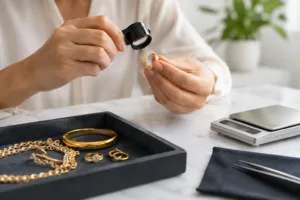
Learn how to value gold jewellery with confidence, from hallmarks and carats to weight, live gold prices, gemstones and professional valuations in the UK.
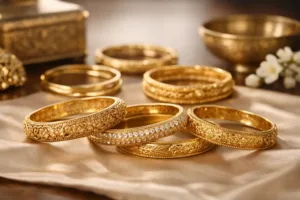
A comfortable 22K gold bracelet fit should allow natural wrist movement without sliding so far that the bracelet catches easily or turns constantly. At Hispek…