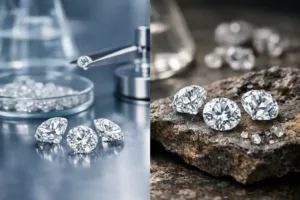
Lab Grown Diamonds vs Natural Diamonds
Compare lab grown diamonds vs natural diamonds on price, value, ethics, rarity and beauty, so you can choose the right diamond with confidence.
We Buy Gold . Top Prices Paid .
7 Day Price Promise .
30 Day Returns
Free World Wide Shipping
Life Time Warranty
We Buy Gold . Top Prices Paid .
7 Day Price Promise .
30 Day Returns
Free World Wide Shipping
Life Time Warranty

+44 203 965 6669
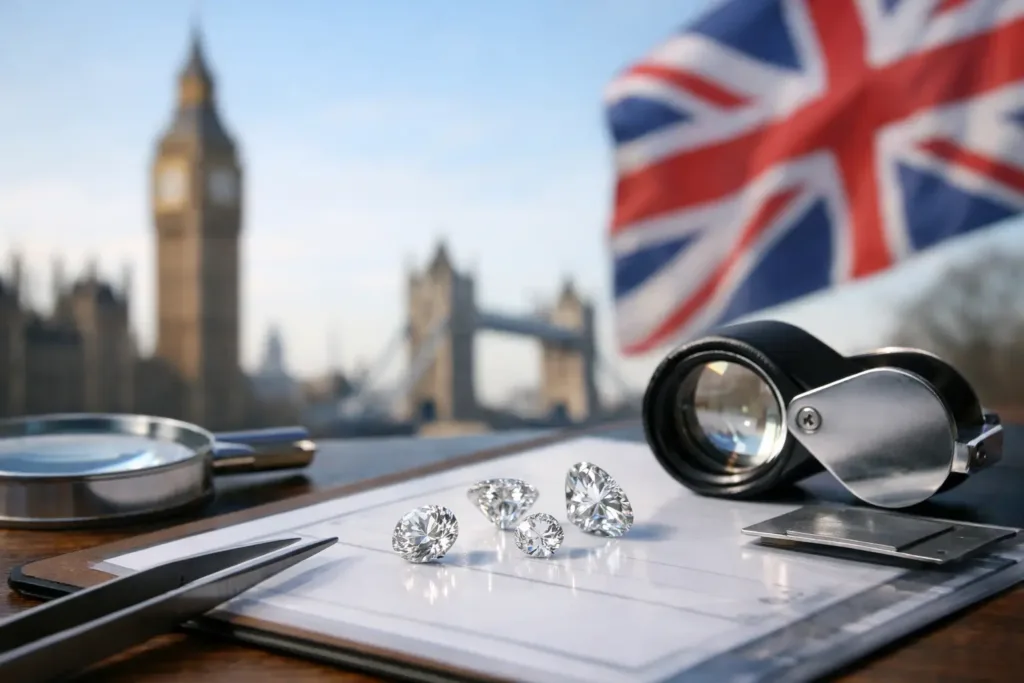
A diamond may look exceptional in a ring box, but the paperwork behind it often tells the more useful story. If you are asking are lab diamonds certified, the short answer is yes – many are. The better question is who certified them, what the report actually covers, and whether that certification gives you enough confidence to buy.
For engagement rings, milestone gifts, and bespoke jewellery, certification is not a minor extra. It is one of the clearest ways to understand what you are paying for. With lab-grown diamonds becoming a serious choice for buyers who want beauty, value, and a more modern sourcing story, knowing how certification works matters.
Yes, lab diamonds can be certified by independent gemmological laboratories. These laboratories assess the stone and issue a grading report that describes key characteristics such as carat weight, colour, clarity, cut, proportions, and in many cases whether the diamond was created in a laboratory rather than mined.
That said, not every lab-grown diamond on the market comes with a respected certificate. Some lower-value stones may be sold without one, while others may carry paperwork from lesser-known grading houses that do not have the same reputation for consistency. This is where buyers need to be careful. A certificate is only as reliable as the organisation issuing it.
For a premium purchase, especially an engagement ring or higher-carat centre stone, certification should be seen as standard rather than optional.
Certification does not mean a diamond has been “approved” in a broad sense. It means the stone has been examined and graded according to defined criteria by a laboratory. In practice, this gives you an independent description of the diamond rather than relying only on a retailer’s wording.
For lab-grown diamonds, that independent assessment is particularly useful because two stones can appear similar at first glance but differ notably in cut quality, inclusions, fluorescence, or overall visual performance. Certification helps bring those differences into the open.
It also supports price transparency. If two diamonds are both described as 1.00 carat, D colour, VS1 clarity, a recognised grading report makes that comparison far more meaningful. Without certification, you are largely buying on trust alone.
The most recognised names in the market include IGI and GIA. These laboratories are widely known and commonly used for grading both natural and lab-grown diamonds. In the UK market, IGI-certified lab diamonds are especially common, particularly in bridal jewellery.
The choice of lab matters because grading standards can vary. A report from a globally recognised laboratory tends to carry more credibility and gives buyers greater reassurance. It can also be more useful later for insurance, valuation discussions, and future resale expectations, although resale on lab-grown diamonds is a separate conversation and depends on the stone, the setting, and market conditions.
This does not mean every other lab is unacceptable. It does mean you should understand whether the grading house is respected, established, and consistent. If a retailer highlights certification but is vague about who issued it, that is worth questioning.
IGI has become one of the most visible names in lab-grown diamond certification. Many well-presented lab diamonds in the retail market carry IGI reports, and buyers are generally familiar with the format.
GIA also grades lab-grown diamonds, though its reporting style has evolved over time. Both names are recognised, but the important point is not simply spotting an acronym. It is checking that the report matches the stone and clearly identifies it as laboratory-grown.
A proper grading report usually includes the diamond’s shape and cutting style, measurements, carat weight, colour grade, clarity grade, and cut grade where applicable. It may also include polish, symmetry, fluorescence, proportions, and a plotted diagram showing internal and external characteristics.
For many round brilliant stones, the report will give enough detail to judge quality beyond the headline 4Cs. That matters because a well-cut diamond can appear brighter and more lively than a heavier stone with poorer proportions.
Lab-grown diamond certificates also commonly state the growth method, such as CVD or HPHT, and confirm the stone’s origin as laboratory-created. Some stones have a laser inscription on the girdle linking the diamond to its report number. This is a useful security feature and adds another layer of confidence.
No, not all of them are. Smaller accent diamonds in a ring are often not individually certified, whether they are natural or lab-grown. Certification is most commonly associated with the main centre stone.
You may also find uncertified lab diamonds sold at lower price points. That can make sense for fashion jewellery or very small stones, but it is less ideal for a significant purchase. If you are choosing a centre diamond for an engagement ring, certification is generally the safer route.
There is a practical trade-off here. Certification adds cost and time, so some sellers skip it to keep pricing lower. For buyers, that lower headline price may be attractive, but the lack of independent grading makes direct comparison much harder.
Start with the issuing laboratory. If the certificate comes from a recognised, independent grading body, that is a strong sign. Then check that the details are specific, complete, and consistent with the stone being offered.
The report should clearly identify the diamond as lab-grown. It should also state the grading factors in a way that allows proper comparison with other stones. If a seller uses vague terms such as premium quality or excellent diamond without a corresponding grading report, that is not the same thing.
It is also sensible to ask whether the stone carries a laser inscription and whether the report number can be matched to the diamond. On a high-value purchase, these details are not excessive. They are part of buying carefully.
Buyers often compare natural and lab-grown diamonds on appearance, price, and sourcing. Certification helps keep that comparison fair. Both types can be graded to the same basic standards for carat, colour, clarity, and cut, so you can assess quality on a like-for-like basis.
This is one reason lab-grown diamonds have become so compelling for many couples. A certified lab diamond often allows you to choose a larger or higher-grade stone for the same budget, without sacrificing the reassurance that comes from independent grading.
Still, certification does not settle every buying decision. Some clients prioritise rarity and long-term perception, which can lead them towards natural diamonds. Others prefer the value and modern appeal of lab-grown. Certification supports either path by making quality clearer.
If you are shopping for a lab-grown diamond, ask to see the certificate before you focus on the ring setting. The stone is the heart of the purchase, and its report should be easy to access and easy to understand.
Look beyond the basic headline grades. Two diamonds with the same carat, colour, and clarity can perform very differently depending on cut and proportions. This is where expert guidance matters, especially if you are buying online or commissioning a bespoke ring.
A trustworthy jeweller should be able to explain the report in plain language, confirm whether the diamond is independently graded, and help you balance quality against budget. At Hispek Diamonds, that approach is central to how premium diamond jewellery should be sold – with clarity, certification, and proper support rather than guesswork.
In many cases, yes. A recognised grading report is highly useful for insurance because it documents the stone’s characteristics. It is not always the same as a retail valuation, which may be prepared separately for insurance purposes, but it forms an important part of the paper trail.
For buyers in the UK, this distinction matters. Certification describes the diamond. A valuation usually states the replacement value of the finished item. Ideally, you want both when purchasing a more expensive piece of jewellery.
If you are spending serious money, ask what documentation comes with the purchase. Certification, valuation support, hallmarking where applicable, and a clear returns policy all contribute to peace of mind.
A beautiful diamond should never rely on guesswork to prove its quality. When a lab-grown stone is backed by respected certification and explained properly, you can buy for the moment and for the long term with much greater confidence.
Compare lab grown diamonds vs natural diamonds on price, value, ethics, rarity and beauty, so you can choose the right diamond with confidence.
Learn how to choose a certified diamond ring with confidence. Compare certificates, diamond quality, settings, budget and retailer trust.

At Hispek Diamonds, we provide professional jewellery valuation services by experienced gemologists for precious metal jewellery, natural diamonds, lab-grown diamonds, and coloured gemstones. We offer…
Asian weddings in the UK are full of colour, tradition, and joy. Gold has always been at the heart of these celebrations. Families spend months…

Buying a diamond is a big moment, and you want to feel good about it. Many buyers in the UK today care about more than…

Rose gold engagement rings have become a truly loved choice for couples across the UK. The warm, pinkish tone of rose gold makes every ring…