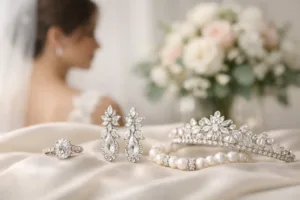
Wedding Jewellery Trends 2026 to Know
Wedding jewellery trends 2026 favour personal design, mixed metals, bold pearls and certified diamonds with lasting value for modern couples.
We Buy Gold . Top Prices Paid .
7 Day Price Promise .
30 Day Returns
Free World Wide Shipping
Life Time Warranty
We Buy Gold . Top Prices Paid .
7 Day Price Promise .
30 Day Returns
Free World Wide Shipping
Life Time Warranty

+44 203 965 6669
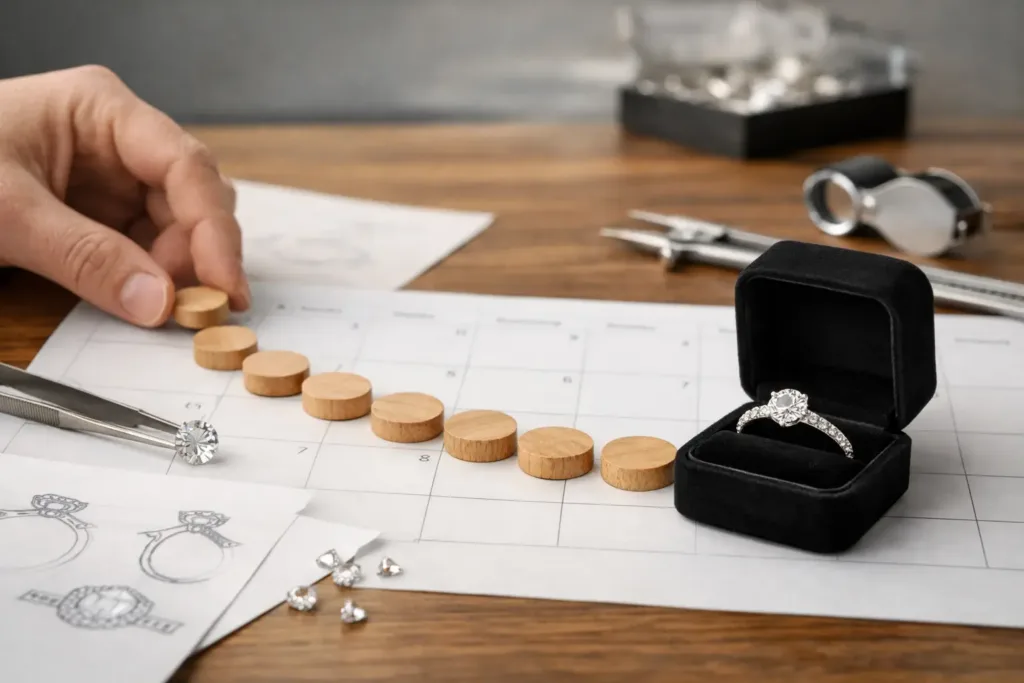
A proposal date can feel fixed long before the ring is chosen. This custom engagement ring timeline example shows how an eight-week bespoke order can move from a first conversation to a finished, hallmarked ring, while allowing the care that a meaningful purchase deserves. The exact schedule depends on the diamond, design complexity and approval speed, but knowing the stages helps you plan with confidence.
A bespoke ring is not simply a standard setting with a different stone. It is made around your preferred proportions, metal, diamond and personal details. That requires clear decisions at key points, particularly before manufacturing begins. For most customers, allowing eight to twelve weeks is sensible. If your proposal is sooner, a simpler design, an available certified diamond or a ready-to-wear ring may be the more reliable choice.
The process begins with a consultation, either in person or remotely. This is where the practical details are set alongside the style brief: your budget, proposal date, ring size, preferred metal and the type of diamond you are considering.
Bring reference images if you have them, but do not worry if you only know the broad direction. A classic solitaire, a three-stone ring, a halo setting or a vintage-inspired design each creates a different visual effect and has different production considerations. For example, a platinum solitaire with a round brilliant diamond is usually more straightforward than a detailed pavé ring with hand-applied milgrain.
This is also the time to decide whether natural or lab-grown diamonds best suit your priorities. Both can offer exceptional beauty, but their price points, availability and individual certification should be assessed carefully. The focus should be on the diamond’s overall appearance, cut quality and suitability for the setting, rather than relying on one grading factor alone.
Once the brief is clear, suitable certified diamonds can be presented with a detailed quotation. This stage should feel transparent. You should understand the stone’s grading report, carat weight, colour, clarity, cut where applicable, and the metal and design elements included in the price.
A 1.00ct oval diamond, for instance, may look dramatically different depending on its length-to-width ratio, faceting and setting style. Seeing images, videos or the stone itself can help avoid a decision based only on a certificate. If you are choosing a coloured gemstone centrepiece, ask about its durability and whether its cut will sit safely in the proposed design.
After you approve the chosen diamond and quote, the stone can be secured and the bespoke design moves forward. Prompt approval here protects the timeline, especially where a particular diamond is in limited supply.
For many bespoke rings, the next step is a computer-aided design, often called CAD. This provides a realistic view of the ring’s structure, including the head height, band width, stone position and profile. It is the point at which a beautiful idea becomes a manufacturable piece of jewellery.
Review the CAD carefully. Consider how high the centre stone sits, whether the wedding band will sit flush against it, and how the ring will feel in daily wear. A very high setting can maximise diamond visibility, but it may catch more easily on clothing. A low-profile setting often feels more practical, although it can limit the choice of wedding band shape.
Small changes can make a meaningful difference. Widening a band, lowering a setting or adding hidden diamonds beneath the centre stone may require an updated design and add a few days. It is better to refine the design now than to compromise after the ring has been made.
Once CAD approval is received, manufacturing begins. The ring is cast in your chosen metal, whether that is platinum, 18K yellow gold, 18K white gold or rose gold. The structure is then prepared for diamond setting, polished and finished by skilled craftspeople.
This is the part of the schedule that should not be rushed. Fine claws must be properly formed and checked; pavé diamonds need even spacing and secure setting; and polished surfaces need a clean, refined finish. A bespoke ring may look delicate, but it must be made to support a lifetime of wear.
Complexity affects timing. A plain-band solitaire may progress efficiently, while an intricate design with a hidden halo, multiple side stones, engraving or a shaped wedding-band fit can take longer. Choosing a distinctive design is worthwhile when it reflects the wearer, but it is wise to allow additional time rather than planning around the earliest possible completion date.
Before delivery or collection, the completed ring should undergo a final inspection. The diamond setting, polish, symmetry, ring size and overall finish are checked against the approved design. This is also when the piece is sent for UK hallmarking where required, providing an official assurance of the precious metal content.
For a high-value engagement ring, retain the diamond certificate and any paperwork supplied with the piece. These documents support insurance, future valuation and long-term confidence in your purchase. If the ring includes a laser inscription on the diamond, confirm that it corresponds with the grading report.
At Hispek Diamonds, bespoke clients can also discuss practical aftercare such as ring sizing, cleaning, repairs and valuation support. A ring is designed for daily life, not just the proposal, so these services matter well beyond the delivery date.
The final week is reserved for collection or secure delivery, allowing a little breathing room before the proposal. If you are collecting in person, inspect the ring in good light and confirm that the fit is comfortable. If you are arranging delivery, make sure someone can receive the parcel securely and avoid scheduling it to arrive on the morning of your proposal.
A thoughtful plan is to have the ring completed at least one or two weeks before the intended date. That buffer is particularly valuable if you need a final size adjustment, are travelling for the proposal, or want to arrange insurance before the ring leaves the box.
An eight-week schedule is realistic for many custom designs, but it is not a guarantee for every ring. The main variables are diamond availability, design changes, specialist craftsmanship and the timing of approvals.
The following situations commonly add time:
There are ways to keep the process moving without reducing quality. Have a clear budget and proposal date from the first consultation, respond promptly to design approvals and remain open to comparable diamond options. A skilled adviser can explain where flexibility will have little visible impact and where it would change the final look of the ring.
If you have less than six weeks, ask what is genuinely achievable rather than assuming every bespoke option can be expedited. A simple solitaire using an available certified diamond may be possible in a shorter timeframe. Alternatively, selecting a premium ready-to-wear ring and arranging later personalisation can preserve the proposal date without asking craftspeople to cut corners.
Do not overlook ring size. If you are keeping the proposal a surprise, an approximate size can be used, with resizing arranged afterwards where the design permits it. Some eternity-style bands and heavily set designs are more difficult to alter, so this should be discussed before production.
The best bespoke engagement ring timeline is one that leaves room for considered choices, careful craftsmanship and a final check before the moment you ask. Start with your proposal date, work backwards with a sensible buffer, and let the design take the time it needs to become a ring worth keeping forever.
Wedding jewellery trends 2026 favour personal design, mixed metals, bold pearls and certified diamonds with lasting value for modern couples.
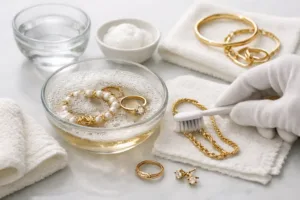
Learn how to clean gold jewellery safely at home, protect stones and plating, and keep your pieces bright without causing avoidable damage.
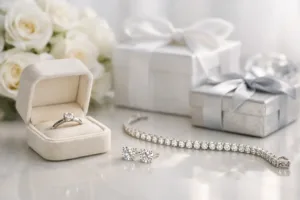
Find diamond anniversary gifts that balance beauty, meaning and value, with expert tips on rings, pendants, earrings and bespoke options.
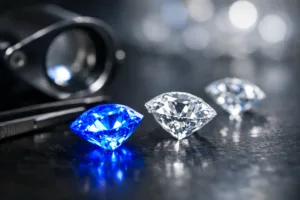
Our guide to diamond fluorescence explains what it is, how it affects appearance and value, and when it can be a benefit in your diamond choice.

Compare the best diamond wedding band styles for every ring and budget, from eternity to pavé, with expert advice on fit, metal and value.
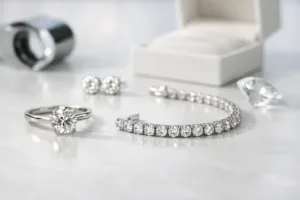
Learn how to choose lab diamond jewellery with confidence. Compare cut, certification, metal, style and value for a smart, lasting purchase.