


8 Best Diamond Wedding Band Styles
Compare the best diamond wedding band styles for every ring and budget, from eternity to pavé, with expert advice on fit, metal and value.
We Buy Gold . Top Prices Paid .
7 Day Price Promise .
30 Day Returns
Free World Wide Shipping
Life Time Warranty
We Buy Gold . Top Prices Paid .
7 Day Price Promise .
30 Day Returns
Free World Wide Shipping
Life Time Warranty

+44 203 965 6669
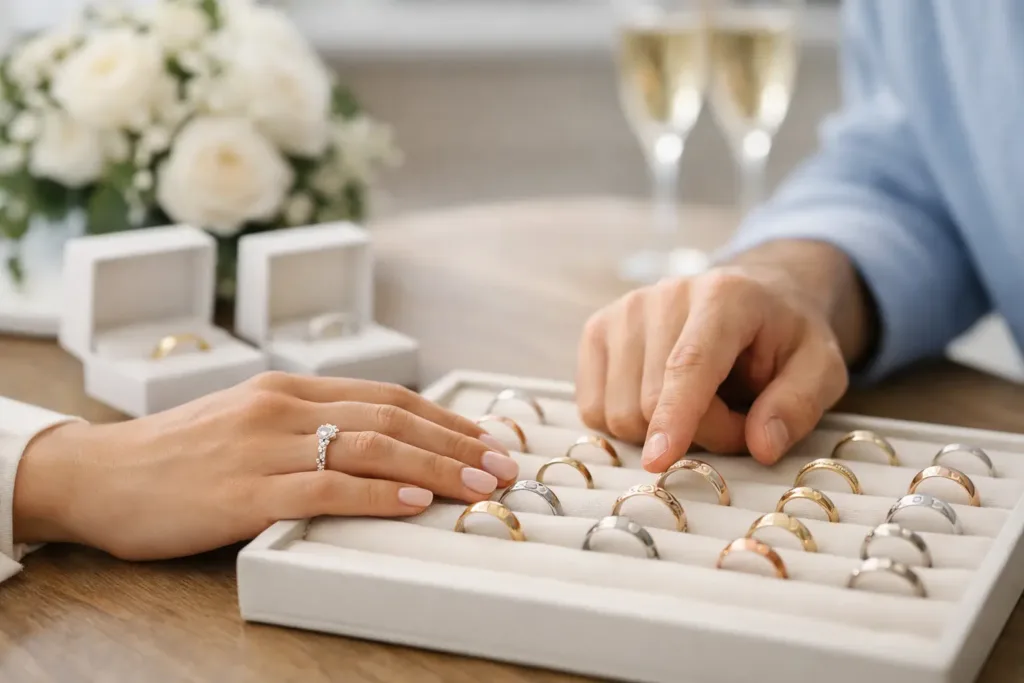
Your wedding band is likely to become the piece of jewellery you wear more than any other. It will be there for workdays, weekends, holidays and every ordinary moment between the milestones. Knowing how to choose wedding bands therefore means looking beyond a beautiful first impression and considering comfort, durability, personal style and the quality behind the purchase.
A well-chosen pair does not need to match perfectly, follow a passing trend or stretch your budget to feel meaningful. The right bands should suit the way you live, sit comfortably beside an engagement ring where relevant, and carry the reassurance of genuine materials, clear pricing and recognised UK hallmarking.
Before comparing metals or profiles, think honestly about what your hands do each day. Someone who works with tools, lifts weights regularly, gardens or has a hands-on role may prefer a more durable, lower-maintenance metal and a design without raised details. A smooth, gently rounded band is often practical because it is less likely to catch and is easy to care for.
If your daily routine is less demanding, you may have more freedom to choose a finer band, a diamond-set design or a more intricate finish. That said, no precious metal is completely scratch-proof. Gold and platinum develop surface marks over time, particularly on polished finishes. Many couples come to see this soft patina as part of the ring’s story, but it is worth choosing with realistic expectations.
Your lifestyle also affects width. A wide wedding band makes a confident statement, but it can feel substantial on the finger if you are not used to wearing rings. A narrower band can be understated and elegant, although very fine designs may show wear more quickly. Trying on several widths is one of the simplest ways to find the balance between presence and comfort.
Metal is one of the biggest decisions when choosing wedding bands. It determines the colour, weight, maintenance needs and price of your ring, so it is worth understanding the differences rather than selecting purely by appearance.
Gold remains a timeless choice, available in yellow, white and rose tones. Yellow gold has a warm, traditional character and works particularly well with vintage-inspired styles and rich 18K or 22K jewellery. White gold offers a bright, contemporary look that complements white-metal engagement rings and diamonds. Rose gold brings a softer, distinctive warmth that can feel romantic without being overly ornate.
The carat also matters. Higher-carat gold contains a greater proportion of pure gold, giving it richer colour and intrinsic value, but it is generally softer than lower-carat alloys. In the UK, 9K gold can be an attractive choice for affordable luxury and everyday resilience, while 18K gold offers a premium balance of richness and wearability. The best option depends on your preferred colour, budget and how you intend to wear the ring.
Platinum is naturally white, dense and highly regarded for its enduring appeal. It does not require rhodium plating to maintain its colour, and its weight gives many wearers a reassuringly substantial feel. It is a popular choice for those who want a premium white metal, especially alongside a platinum engagement ring.
Platinum is not immune to marking, but when it is scratched, the metal is displaced rather than worn away in the same way as gold. It can develop a distinctive satin-like patina over time, which may be professionally polished if you prefer a brighter finish. Its higher initial price is often justified by its density, purity and long-term appeal.
Couples often assume wedding bands must be made from the same metal, particularly if one partner has an engagement ring. Matching metal can make sense because rings worn together may rub against one another, and metals of very different hardness can wear unevenly over time. It also creates a cohesive look.
However, there is no rule that says both partners need identical bands. One person may prefer yellow gold while the other favours platinum, or one may want a diamond-set ring while the other chooses a plain band. Coordinating through a shared detail, such as the same profile, engraving or finish, can feel considered without making either person compromise on style.
A wedding band should feel secure but not restrictive. Fingers naturally change size with temperature, activity and time of day, so ring sizing should be approached carefully. The band should pass over the knuckle with slight resistance, then rest comfortably at the base of the finger without spinning excessively.
Try rings later in the day when your fingers are closer to their usual size, and avoid sizing immediately after intense exercise, a very salty meal or exposure to cold weather. If your ring size changes frequently, speak with a jeweller before committing to a design that may be difficult to alter, such as a full eternity band or a heavily engraved ring.
Profile describes the shape of the ring’s interior and exterior. A traditional court profile is rounded inside and out, creating a classic, comfortable look. A flat court has a flatter exterior with a curved inner surface, offering a cleaner, more modern feel. D-shaped bands have a rounded outer edge and flatter interior, while flat bands create a sharper contemporary silhouette.
Comfort-fit interiors are gently rounded on the inside, reducing pressure against the finger. They are especially worth considering for wider bands or for anyone who rarely wears rings. A few millimetres can transform how a band feels, so never choose width from photographs alone where possible.
Diamond wedding bands can add light, texture and a luxurious finishing touch to a bridal set. They range from delicate pavé bands with small closely set stones to channel-set designs that offer a smooth, protected surface. A half-eternity style places diamonds across the visible top section of the ring, while a full eternity band surrounds the finger with continuous sparkle.
The trade-off is practical. Full eternity bands are harder to resize, and any diamond setting needs periodic checks to make sure the stones remain secure. For everyday wear, the setting should be as carefully considered as the diamonds themselves. Channel and bezel settings can provide additional protection, whereas more exposed claw settings may deliver maximum brilliance but require more mindful wear.
Whether you choose natural or lab-grown diamonds, look for transparent information about quality, sourcing and certification where appropriate. The beauty of a diamond band lies in its overall balance: consistent stone matching, precise setting work and a metal colour that enhances the stones.
If the wedding band will sit next to an engagement ring, try them on together before making a final decision. A straight band works neatly with many classic solitaire settings, but an engagement ring with a low setting, prominent centre stone or shaped shoulders may leave a small gap. Some people like that separation; others want the rings to sit flush.
Shaped, curved and notched wedding bands are designed to follow the contours of an engagement ring. They can create a close fit without forcing either ring into an awkward position. Bespoke design is particularly valuable for unusual settings, family heirlooms or engagement rings with a distinctive silhouette. It allows you to choose the curve, width, metal and diamond details around the ring you already love.
There is also a style question. A highly detailed engagement ring may look best with a simple band that lets it remain the focal point. Conversely, a plain solitaire can carry a more decorative diamond wedding band beautifully. Try a range of combinations before deciding what feels like you, rather than what simply looks conventional.
For a purchase intended to last decades, the details behind the ring matter. UK hallmarking provides independent confirmation of the precious metal and should be a key consideration when purchasing gold, platinum or silver jewellery. Ask what hallmarks your ring will carry, particularly if you are buying a higher-value piece or commissioning a bespoke design.
You should also understand the retailer’s approach to pricing, returns, warranties, resizing and aftercare. A wedding band may need cleaning, polishing, checking or adjustment over the years. Clear support gives you confidence well beyond the day the ring arrives.
At Hispek Diamonds, certified diamond jewellery, UK-hallmarked precious metals and bespoke consultation are designed to help couples choose with clarity, whether they are seeking classic gold bands, platinum designs or a diamond-set style made around an engagement ring.
There is no fixed amount you should spend on wedding bands. A plain 9K gold design can be a beautiful, hard-wearing and meaningful choice, while platinum, 18K gold, custom shaping and diamonds naturally increase the investment. The most useful approach is to decide what matters most before shopping: metal purity, a perfectly flush fit, diamond detail, matching designs or the ability to personalise the rings.
Allow for practical extras such as engraving, resizing or insurance valuations if these are relevant. If you are buying bands separately from the engagement ring, set a clear total budget for both partners so one choice does not unintentionally limit the other.
The best wedding bands are not necessarily the most elaborate ones. They are the rings that feel right when you put them on, reflect your individual tastes and have been made with the care, quality and reassurance a lifelong piece of jewellery deserves.
Compare the best diamond wedding band styles for every ring and budget, from eternity to pavé, with expert advice on fit, metal and value.
Learn how to choose lab diamond jewellery with confidence. Compare cut, certification, metal, style and value for a smart, lasting purchase.
Lab grown engagement ring trends for 2026 reveal shifts in cuts, settings and buyer priorities, from larger stones to bespoke, ethical design.
Choose gold jewellery with confidence. Learn about purity, hallmarking, style, value and care before you buy for gifting, weddings or wear.
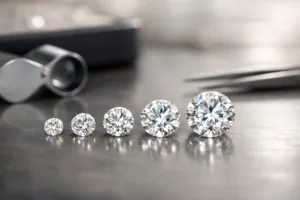
Use our diamond carat size guide to compare popular weights, understand face-up size, and choose a certified diamond with confidence.
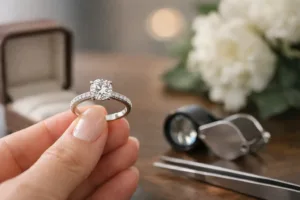
Find engagement rings with confidence. Learn how to compare diamonds, settings, metals and value, with expert guidance for every budget.