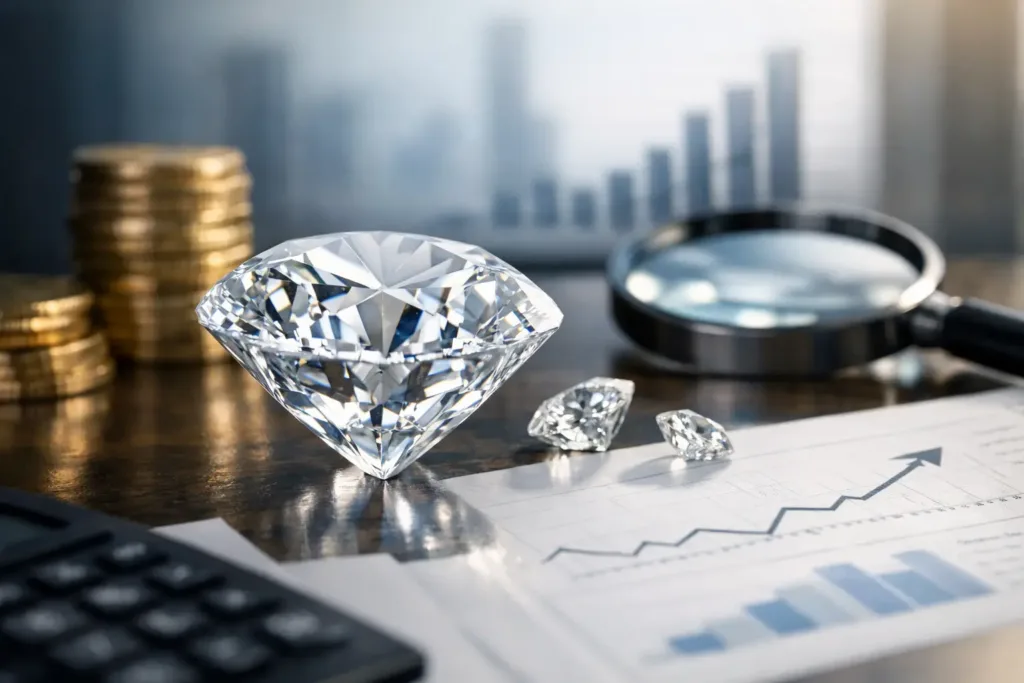
A diamond may mark a proposal, an anniversary or a family milestone, but a significant purchase also deserves clear-eyed consideration. Natural diamond investment value comes from genuine rarity, enduring desirability and verifiable quality, not simply from the price shown on a jewellery label. For buyers who want beauty today and meaningful long-term value tomorrow, understanding that difference is essential.
Natural diamonds are not a guaranteed short-term investment in the way that investment-grade gold is designed to be traded. They are, however, finite natural assets with a long history of cultural significance. The strongest stones can retain value well when bought carefully, documented properly and selected for qualities that informed buyers continue to seek.
What Determines Natural Diamond Investment Value?
The value of a natural diamond is not determined by carat weight alone. Two diamonds of the same size can have very different prices, desirability and resale prospects. The interplay between the 4Cs – cut, colour, clarity and carat – remains central, alongside certification, shape and the stone’s overall visual appeal.
A well-cut diamond often deserves priority. Cut controls how effectively a stone returns light, creating the brightness, fire and scintillation associated with exceptional diamonds. An Excellent cut round brilliant with balanced proportions will generally be more sought after than a larger stone that appears dull or carries an obvious compromise in make.
Colour and clarity affect rarity, but the sensible choice depends on the diamond. In white diamonds, high colour grades and eye-clean clarity are widely desirable. That said, paying a substantial premium for a clarity characteristic invisible without magnification may not always improve practical resale appeal. A beautifully proportioned diamond with no visible inclusions can offer a more considered balance of quality and budget.
Carat weight matters, particularly at recognised thresholds such as 1.00, 2.00 or 3.00 carats. Prices can rise sharply at these milestones because larger natural diamonds are less common. Yet a stone just below a key weight can sometimes provide more visual size for the money, making it an intelligent choice for jewellery buyers who value wearability alongside long-term quality.
Rarity Must Be Specific, Not Assumed
Not every natural diamond is rare in an investment sense. Commercial-quality diamonds are widely available, especially in popular small sizes, and the resale market may not reward the original retail price. The stones that tend to command greater attention are those with an unusual combination of size, quality and beauty.
Exceptional fancy-colour diamonds can sit in a different category altogether. Natural pink, blue, green and vivid yellow diamonds are scarce, with value influenced by the intensity and purity of colour, carat weight and recognised laboratory grading. This is a specialist area, where expert guidance and established certification are particularly valuable.
Certification Protects Confidence and Future Saleability
A diamond certificate is not an optional extra for a high-value purchase. It is an independent record of the stone’s characteristics, usually including its measurements, carat weight, colour, clarity, cut grading where applicable, fluorescence and any treatments detected.
For natural diamonds, certificates from respected independent laboratories provide a common language between buyer, insurer, valuer and future purchaser. They help confirm that a diamond is natural rather than laboratory-grown and provide reassurance that the quality represented at purchase can be assessed later on consistent terms.
Keep the certificate, invoice, valuation and any laser-inscription details together. If the diamond is set in a ring, retain photographs and records of the setting too. Documentation does not guarantee a future price, but missing paperwork can make valuation and resale more difficult.
At Hispek Diamonds, certified natural diamonds allow customers to make a premium purchase with clearer information on the stone they are choosing. This matters whether the diamond is intended for an engagement ring, a personal collection or a gift to be treasured over generations.
Jewellery Value and Resale Value Are Not the Same
A finely made diamond ring has value beyond its loose diamond. Craftsmanship, precious metal, design work, brand positioning and the personal meaning of the piece all form part of its purchase price. These elements are worthwhile when you are buying a ring to wear and love, but they may not be fully reflected in an immediate resale offer.
The secondary diamond market is selective. A buyer may assess the loose stone’s current wholesale demand first, then the value of the metal separately. Retail margins, VAT, manufacturing costs and the original setting may not be recovered in full. This is why a diamond should be chosen as a long-term luxury asset, not as an asset to flip quickly.
For UK buyers, it is also useful to distinguish diamonds from 24K investment gold. Eligible investment gold benefits from VAT treatment that can make it a more direct vehicle for those focused primarily on bullion exposure. Diamonds offer rarity, portability and emotional value, but they do not have the same daily market pricing or immediate liquidity as gold bars.
Natural Diamonds Compared With Lab-Grown Diamonds
Natural and lab-grown diamonds can look alike to the eye and share the same fundamental crystal structure. Their markets, however, operate differently. Natural diamonds were formed over billions of years and have a finite geological supply. Lab-grown diamonds are produced through technology, with capacity able to expand as manufacturing develops.
Lab-grown diamonds can be an excellent route to larger sizes or higher specifications at an accessible price point, particularly for buyers focused on appearance and budget. Their resale market is still developing and prices have generally been more exposed to changes in production cost and supply. For purchasers placing greater emphasis on scarcity and established long-term collectability, a certified natural diamond usually offers a clearer proposition.
Neither choice is automatically right for every customer. The better question is whether your priority is maximum visual size today, natural rarity, symbolic heritage or a combination of all three.
How to Buy With Value in Mind
A considered diamond purchase starts by setting a realistic purpose. If the ring will be worn every day, choose a quality level that looks exceptional in normal light and a setting that protects the stone. If collectability is a central concern, focus on natural rarity, strong certification and features with sustained market appeal rather than chasing an attractive headline discount.
Pay close attention to the diamond’s actual appearance. Review high-quality imagery or inspect the stone in person where possible. Look for even light performance, a pleasing face-up size and inclusions that are not visible to the naked eye. In fancy shapes such as oval, pear and marquise, assess the outline and any bow-tie effect rather than relying only on the grading report.
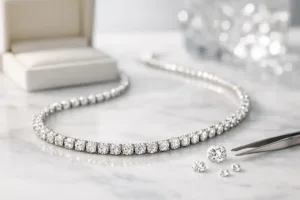
The setting should support the diamond rather than consume an excessive part of the budget. Platinum and 18K gold are enduring choices for fine diamond jewellery, while a bespoke design can create a deeply personal piece. For investment-minded buyers, it is often wise to avoid highly trend-led designs that may date quickly, unless personal style is the main objective.
Finally, buy from a retailer that is transparent about certification, pricing, sourcing and aftercare. Lifetime support, secure delivery, a clear returns process and professional valuations can add practical reassurance to a purchase that may remain part of your life for decades.
A Long-Term View Is the Most Valuable One
Natural diamond investment value is strongest when financial judgement and personal meaning work together. Buy a stone because its quality, scarcity and beauty justify the price to you, then give it the time that fine natural assets require. A certified diamond chosen with care can become far more than a piece of jewellery – it can be a lasting marker of a moment, held with confidence and enjoyed for generations.