

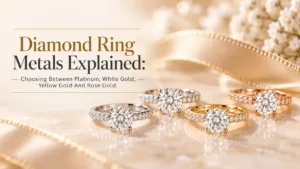
Diamond Ring Metals Explained: Choosing Between Platinum, White Gold, Yellow Gold And Rose Gold
Most people spend weeks choosing a diamond and a few minutes choosing the metal. That’s understandable, since the stone gets most of the attention. But…
We Buy Gold . Top Prices Paid .
7 Day Price Promise .
30 Day Returns
Free World Wide Shipping
Life Time Warranty
We Buy Gold . Top Prices Paid .
7 Day Price Promise .
30 Day Returns
Free World Wide Shipping
Life Time Warranty

+44 203 965 6669

A 24K gold bar can be a highly efficient way to own physical gold, but the answer to are gold bars VAT free is not simply yes. In the UK, qualifying investment gold is exempt from VAT. However, the bar must meet specific standards, and not every product described as gold bullion, gold-plated, collectible or 24 carat will qualify.
For buyers comparing gold bars with jewellery or other precious metals, that distinction can have a meaningful effect on the final price. Understanding it before you buy helps you select bullion with confidence and avoid paying VAT where a qualifying investment product would be exempt.
Gold bars are VAT exempt in the UK when they meet the legal definition of investment gold. In practical terms, this normally means a gold bar or wafer of a purity of at least 995 parts per thousand – commonly expressed as 995 fine gold or higher – that is of a weight accepted by the bullion markets.
Most recognised 24K investment bars with a fineness of 999.0 or 999.9 meet this standard. These are the familiar sealed, branded bars issued by established refiners, often carrying details such as the refiner’s name, weight, purity and, on many larger bars, a serial number.
VAT exemption means VAT is not added to the purchase price of qualifying investment gold. This is different from zero rating, but for a private buyer the key point is straightforward: a qualifying gold bar should not have 20% VAT added at checkout.
The exemption applies to the gold itself, not automatically to every product that contains high-purity gold. A beautifully finished gold item may have substantial intrinsic metal value, yet still be treated as jewellery rather than investment gold for VAT purposes.
Purity is the first essential test. A bar must contain at least 995 parts of gold per thousand. This is why 999.9 fine 24K bullion is the conventional choice for investors seeking VAT-efficient physical gold.
The second test is market acceptance. The product should be a genuine bullion bar or wafer in a form and weight recognised in the bullion market. Established refiners and clearly documented bars provide reassurance here. An LBMA-approved refiner is a particularly strong trust signal, although buyers should always assess the exact product details rather than relying on a broad description alone.
There is no simple minimum weight that makes a bar VAT exempt. Smaller bars can qualify, provided they meet the required purity and are recognised bullion products. The choice between 1g, 5g, 10g, 1oz, 50g or larger bars is therefore more about budget, flexibility and premium than VAT status.
A lower-premium larger bar can be attractive if you are allocating a significant sum to gold. Smaller bars can be easier to sell in stages, give as a meaningful gift or build into a regular buying plan. The trade-off is that smaller denominations often carry a higher premium per gram because refining, packaging and distribution costs are spread across less gold.
Gold jewellery is purchased for craftsmanship, design and wearability as well as metal content. It is not normally investment gold for VAT purposes, even when it is made in 22K or 24K gold. The price of a chain, bangle, ring or pendant includes design, making, hallmarking, retail service and often gemstones, alongside the value of the gold.
That does not make jewellery a poor purchase. Fine jewellery can be personal, timeless and valuable, particularly when chosen for a wedding, milestone or family occasion. It simply serves a different purpose from a standardised bullion bar.
A 22K piece contains a very high proportion of gold but remains jewellery. A 24K bar is made primarily to provide transparent exposure to physical gold. Buyers looking for an asset based closely on the live gold price will usually find investment-grade bullion more direct, while buyers wanting something to wear may rightly prefer jewellery despite the VAT and workmanship costs.
Descriptions matter. A seller may use terms such as bullion, pure gold or commemorative gold in a way that sounds investment-focused, but the VAT treatment depends on the product’s actual specification and status.
Bars below 995 fineness do not qualify as investment gold under the relevant VAT rules. Gold medallions, novelty pieces, decorative ingots and mounted or framed bars may also require closer scrutiny, especially where the product is sold principally as an ornament or collectible rather than a market-recognised bar.
The same caution applies to gold granules, flakes and raw material. They may contain high-purity gold, but that alone does not necessarily make them VAT-exempt investment gold. Ask for the fineness, weight, manufacturer, product format and a clear confirmation of the VAT treatment before placing an order.
Silver, platinum and palladium bullion are also commonly confused with gold in this area. In the UK, investment silver bars are generally subject to VAT, as are platinum and palladium products. Gold’s specific VAT exemption is one reason it remains a popular entry point for buyers who want physical precious metal without a VAT charge increasing the initial outlay.
High-value purchases deserve a clear paper trail. A reputable retailer should make the bar’s weight and purity easy to identify and provide an invoice that reflects the correct VAT position. Keep that invoice, along with any assay card, packaging and serial-number record, in a safe place. These details can support future resale and help establish exactly what you own.
Packaging matters too. Many smaller bars are supplied in tamper-evident packaging with an accompanying certificate card. Do not remove a bar from its original sealed presentation without considering resale. Some buyers and dealers may value intact packaging because it provides added confidence in the bar’s provenance and condition.
At Hispek Diamonds, investment-grade gold is selected with transparency, recognised quality and buyer confidence in mind. When comparing products, look beyond the headline price and check the fine-gold content, refiner, delivery arrangements, payment security and the retailer’s returns policy. A small difference in premium may be worthwhile when it comes with clear product information and a trusted route to purchase.
The location of the transaction can affect the tax position. A qualifying investment gold bar supplied in the UK is generally VAT exempt, but overseas orders can involve different local taxes, import procedures, shipping restrictions and customs administration.
If you are based outside the UK, do not assume that UK VAT exemption determines what happens on arrival in your country. Local VAT, sales tax, duties or handling charges may apply depending on the destination and how the order is shipped. For UK buyers, it is equally sensible to confirm that the item is dispatched as qualifying investment gold and that the price shown reflects the correct VAT treatment.
Specialist storage, bonded arrangements and purchases involving overseas vaults can introduce further complexity. These options may suit experienced investors, but they are not a substitute for checking the exact product and tax position. Where the amount involved is significant or your circumstances are unusual, independent tax advice is sensible.
VAT is only one part of the picture. If the value of gold bars rises and you later sell at a profit, Capital Gains Tax may be relevant, depending on your gains and personal tax position at the time. Physical gold bars do not receive the same treatment as certain UK legal-tender gold coins, which can have different Capital Gains Tax considerations for UK residents.
That does not mean coins are always the better choice. Coins can carry higher premiums, while bars may offer more gold for your money at a given investment level. The right format depends on your budget, expected holding period, preference for divisibility and attitude to potential resale. Tax should be considered alongside, not instead of, product quality and investment objectives.
Gold also does not pay interest or dividends. Its appeal is often centred on tangible ownership, global recognition and its historic role as a store of value, but its price can move in either direction. Buy an amount that suits your wider financial position rather than treating any precious metal as a guaranteed return.
Before paying for a gold bar, confirm three essentials: it is at least 995 fine, it is a recognised investment bar or wafer, and the seller confirms that it is VAT exempt. Then compare the premium over the gold value, the bar’s condition and packaging, and the practicalities of insured delivery or secure storage.
A qualifying 24K gold bar offers a clear, VAT-efficient route into physical gold ownership. Choosing one from a transparent, reputable source lets you focus on what matters most: the quality of the bullion, the confidence of the purchase and how it fits your long-term plans.
Most people spend weeks choosing a diamond and a few minutes choosing the metal. That’s understandable, since the stone gets most of the attention. But…

Clarity is the grade that’s easiest to overthink. The scale runs from Flawless down to I3, and it’s tempting to assume you should climb as…

Are gold bars insured at home, in transit or in a vault? Learn what UK cover may include, the exclusions to check and how to protect bullion properly.

A bespoke jewellery design review explains how custom rings are made, what affects cost, and how to choose diamonds, metals and details with confidence.
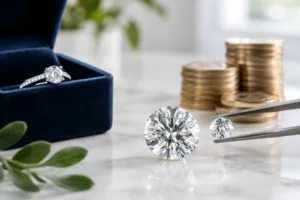
Do lab diamonds hold value over time? Learn about resale, pricing, certification and choosing a lab-grown diamond with confidence in the UK before buying.
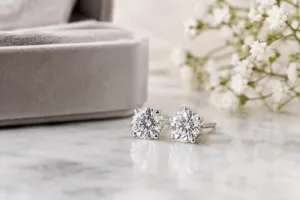
Learn how to choose diamond studs with confidence, comparing carat, cut, secure settings, certification and natural or lab-grown diamond options.