

Bespoke Jewellery Design Review: What Matters
A bespoke jewellery design review explains how custom rings are made, what affects cost, and how to choose diamonds, metals and details with confidence.
We Buy Gold . Top Prices Paid .
7 Day Price Promise .
30 Day Returns
Free World Wide Shipping
Life Time Warranty
We Buy Gold . Top Prices Paid .
7 Day Price Promise .
30 Day Returns
Free World Wide Shipping
Life Time Warranty

+44 203 965 6669
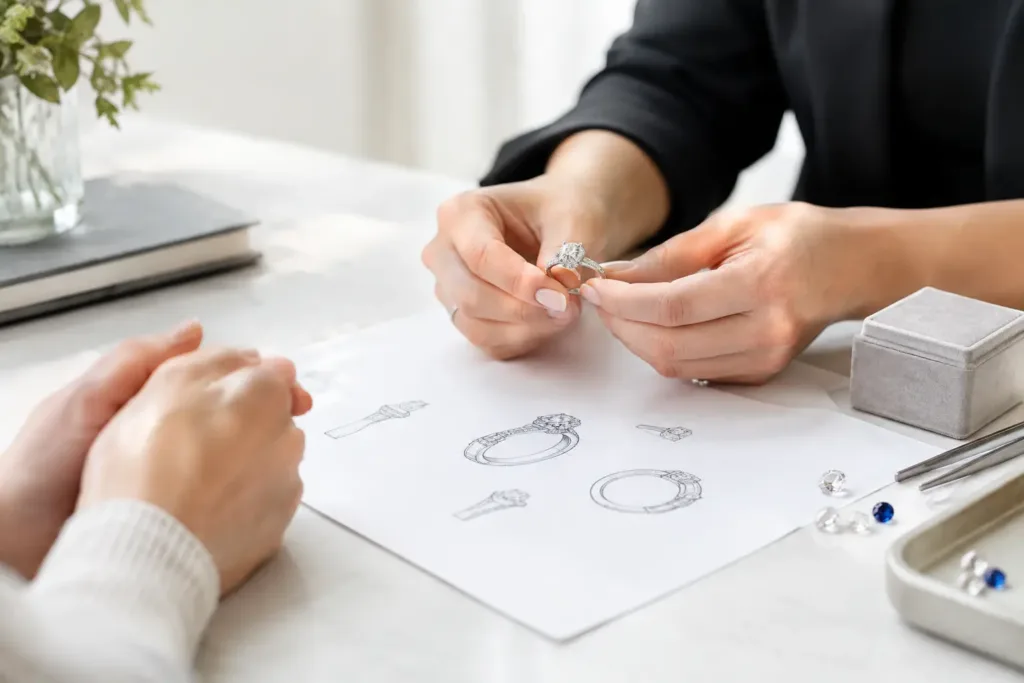
A bespoke jewellery design review should do more than admire a finished ring. It should explain whether the design suits the wearer, the diamond is properly chosen, the setting is secure, and the budget has been used intelligently. For an engagement ring, wedding band or meaningful gift, bespoke jewellery offers something a ready-made piece cannot: the freedom to create a lasting design around a real person, not a generic product specification.
The value of custom design lies in the decisions behind it. A beautiful ring begins with proportion, craftsmanship and clear advice, then becomes personal through the stone, metal, setting and small details that make it unmistakably yours. The strongest bespoke experience is not about adding every possible feature. It is about choosing the right ones.
A custom piece should be assessed as a complete design, rather than as a loose collection of premium materials. A high-quality diamond can appear less impressive in an overly heavy setting, while a thoughtfully selected stone can look exceptional when its cut, proportions and mounting work together.
The first consideration is the purpose of the jewellery. An engagement ring worn every day needs a different approach from an occasion pendant or a statement cocktail ring. Daily-wear pieces benefit from secure settings, practical profiles and metals that suit the owner’s lifestyle. A delicate claw setting can maximise light and visual impact, for example, but someone who works with their hands may prefer a lower-profile bezel or a more protected setting.
A proper review also considers the wearer’s existing style. Some people want a timeless solitaire with clean lines and a central diamond that does the talking. Others are drawn to vintage-inspired details, hidden halos, coloured gemstones or an intricate trilogy design. There is no universally correct choice, but there is a right balance between personality, longevity and wearability.
Certification is equally important when diamonds are involved. Independent grading provides reassurance around the stone’s key characteristics, including cut, colour, clarity and carat weight. It also allows buyers to understand exactly what they are purchasing and compare value with confidence. For major purchases, sentiment and specification should sit side by side.
The centre stone usually has the greatest influence on a bespoke ring’s appearance and price. Natural diamonds remain a classic choice for their rarity and enduring appeal, while lab-grown diamonds can offer impressive size and quality at a more accessible price point. Both can be beautiful choices when selected carefully and supplied with reliable certification.
Cut should be prioritised, particularly for round brilliant diamonds. A well-cut stone returns light effectively and creates the brightness, fire and scintillation most people associate with a diamond. Carat weight matters, but it is only one measure. Two diamonds of the same weight can look noticeably different depending on their shape, cut and dimensions.
Fancy shapes introduce further considerations. Oval, pear and marquise diamonds can appear larger for their carat weight, while emerald and Asscher cuts offer a more architectural look with broad flashes of light. These step-cut diamonds tend to reveal clarity more readily, so the balance of colour and clarity often needs more careful attention. A bespoke consultation makes space for these practical distinctions rather than treating every diamond as interchangeable.
Platinum, 18K gold, 14K gold and 9K gold each offer different benefits. Platinum has a naturally white finish, substantial feel and excellent durability, making it a popular choice for diamond engagement rings. It develops a soft patina over time, which some clients appreciate and others choose to polish away.
Yellow gold brings warmth to classic and contemporary designs alike. Rose gold offers a softer, romantic tone, while white gold provides a bright, polished appearance that can complement colourless diamonds. Gold purity affects colour, hardness and price. Higher-karat gold contains more pure gold, but a lower-karat alloy may be a practical option for a frequently worn piece. The best metal depends on design, budget, skin tone and how the jewellery will be used.
The custom process should feel clear from the first conversation. At Hispek Diamonds, bespoke jewellery is approached as a guided design service, helping clients turn an idea, reference image or loose diamond into a piece with considered proportions and lasting value.
The process normally starts with a consultation about the occasion, preferred style, budget and timescale. This is where practical guidance matters most. A client may arrive asking for the largest possible centre diamond, then decide that a slightly smaller, better-cut stone in a refined setting offers the more elegant result. Equally, someone with a very specific vision may need reassurance that it can be produced without compromising strength or comfort.
Once the direction is agreed, the design is developed around the centre stone or gemstones. Measurements matter. The width of the band, the height of the setting, the placement of accent diamonds and the shape of the shoulders all affect how the ring looks on the hand. Digital renders or design visuals are useful at this stage because they make proportion easier to understand before production begins.
After approval, the piece is made by skilled jewellers, set, polished and checked for finish and security. UK hallmarking provides an additional mark of assurance for precious metal jewellery. The final stage should include clear care advice, sizing guidance and information about warranty, returns or aftercare, particularly for a purchase designed to be worn for decades.
Bespoke does not automatically mean expensive for the sake of it. It means the budget can be allocated where it has the greatest visual and personal impact. For some buyers, that means investing in a larger lab-grown diamond. For others, it means selecting a natural diamond with strong cut quality, then choosing a clean solitaire setting that will never date.
Custom design can also solve problems that ready-made jewellery cannot. Perhaps you need a ring to sit neatly alongside an existing wedding band. Perhaps a family diamond needs resetting into a more secure and contemporary design. Perhaps you want to combine a yellow-gold band with a platinum setting, or create a pendant around a gemstone acquired on a significant trip. These are not small aesthetic differences. They are the reason a piece can feel genuinely personal.
There are trade-offs, of course. A bespoke item may take longer than selecting a stocked design, especially where a specific diamond, unusual gemstone or intricate setting is involved. Custom-made jewellery should also be finalised carefully before production, as changes later in the process may affect cost or timing. The right retailer will be transparent about these points from the outset, rather than treating them as an afterthought.
Before giving final approval, ask how the design will perform in everyday wear. Find out whether the centre stone is independently certified, how high the setting will sit, whether the claws are substantial enough, and whether the ring can be resized in future. If side stones are included, ask how they are matched and whether replacements can be sourced if needed.
It is also sensible to ask for a clear breakdown of the materials and workmanship. You should know the diamond or gemstone specifications, precious metal purity, total carat weight where relevant, hallmarking details and expected production timeframe. Transparent pricing makes it easier to compare options fairly and decide where your money will make the biggest difference.
For overseas buyers, delivery, insurance and any local duties should be clarified before purchase. For UK clients, it is worth confirming the size before production and allowing enough time if the piece is intended for a proposal, wedding or milestone date.
The most successful bespoke jewellery does not depend on a passing trend. It feels considered the first time it is worn and continues to feel right as life changes around it. That may be a classic diamond solitaire, a richly coloured 22K gold piece, or a contemporary ring designed around a stone with personal history.
Choose the details that genuinely matter to you, ask for expert guidance where the technical choices are less clear, and give the design enough time to be made properly. A bespoke piece should carry more than a price tag or a carat weight. It should carry confidence every time it is worn.
A bespoke jewellery design review explains how custom rings are made, what affects cost, and how to choose diamonds, metals and details with confidence.
Do lab diamonds hold value over time? Learn about resale, pricing, certification and choosing a lab-grown diamond with confidence in the UK before buying.
Learn how to choose diamond studs with confidence, comparing carat, cut, secure settings, certification and natural or lab-grown diamond options.
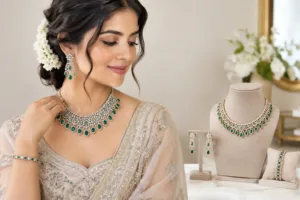
Find the best bridal jewellery sets for your wedding, from diamond and gold styles to practical advice on quality, comfort, value and matching beautifully.
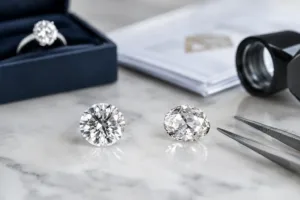
Compare certified versus uncertified diamonds with confidence. Learn what grading reports prove, when they matter, and how to buy with clarity today.

Understand the top reasons to buy gold bullion, from portfolio diversification and VAT efficiency to ownership, liquidity and confidence for UK buyers.