No products in the cart.
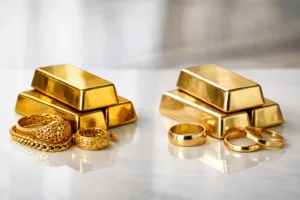
22k or 18k Gold: Which Should You Buy?
Choosing 22k or 18k gold? Compare purity, durability, colour, price and best uses to find the right gold for jewellery, gifting or wear.

We Buy Gold . Top Prices Paid .
7 Day Price Promise .
30 Day Returns
Free World Wide Shipping
Life Time Warranty
We Buy Gold . Top Prices Paid .
7 Day Price Promise .
30 Day Returns
Free World Wide Shipping
Life Time Warranty

+44 203 965 6669

A slim wedding band, a statement chain and a pair of everyday diamond earrings can all be made in gold, but they do not all need the same gold. That is where the question of 22k or 18k gold matters. The right choice depends on how you wear it, what look you prefer, and whether your priority is purity, strength or long-term value.
The simplest difference is purity. 22k gold contains 22 parts pure gold out of 24, which means it is around 91.6% gold. 18k gold contains 18 parts pure gold out of 24, so it is 75% gold. The remaining percentage is made up of other metals added to improve strength, alter tone and make the piece more practical for jewellery.
That purity gap affects almost everything a buyer notices. It changes the colour, the weight, the feel on the skin, the resistance to scratching and, of course, the price. Neither is automatically better in every situation. One is simply better suited to certain types of jewellery and certain priorities.
For customers buying a meaningful piece, whether that is bridal jewellery, a gift, a bangle for special occasions or a chain for regular wear, it makes sense to look beyond karat alone. A higher number sounds more premium, but wearability matters just as much as purity.
If you love a rich, traditional yellow gold look, 22k usually stands out straight away. It has a deeper, warmer colour because it contains more pure gold. This is why 22k gold is often preferred for classic wedding jewellery, Asian gold jewellery and bold occasion pieces where that unmistakable golden tone is part of the appeal.
18k gold still looks luxurious, but the colour is slightly more controlled because of the alloy metals mixed in. In yellow gold, it is elegant and refined rather than intensely bright. It is also widely available in white gold and rose gold, giving buyers more design flexibility.
For many customers, the decision starts here. If your ideal piece is traditional, high-gold and visibly rich in colour, 22k often feels right. If you want a premium gold piece that works well with modern styling, gemstones or daily wear, 18k is often the more versatile option.
Purity is valuable, but pure gold is naturally softer. Because 22k gold contains more pure gold, it is more prone to scratching, bending and wear over time than 18k gold. That does not mean 22k is poor quality. It simply means it needs the right setting and the right expectations.
For example, 22k works beautifully for earrings, pendants, bangles and ceremonial jewellery that is worn carefully. It is also popular for pieces bought as keepsakes or heirlooms. If the design is not exposed to constant knocks, the higher purity can be a major advantage.
18k gold is generally the better choice for jewellery that takes daily stress. Engagement rings, diamond rings, tennis bracelets and pieces with delicate claws or intricate settings benefit from the extra strength that 18k offers. Stones need secure settings, and a stronger alloy helps with that.
This is one reason many fine jewellers recommend 18k for bridal and diamond jewellery. You still get a high gold content and a premium finish, but with better resilience for everyday life.
If you are comparing 22k or 18k gold on price, 22k will usually cost more per gram because it contains more pure gold. That higher gold content can appeal to buyers who place real importance on purity and intrinsic metal value.
However, jewellery is not valued on gold content alone. Design, craftsmanship, hallmarking, gemstone quality, brand standards and finishing all play a part. An 18k diamond ring can command a higher price than a plain 22k gold band because the value sits in the complete piece, not just the metal.
From a practical buying perspective, 18k can offer an excellent balance. You are still purchasing fine gold jewellery, but often with better durability and wider design options. For customers who want affordable luxury without stepping down too far in purity, 18k is a strong middle ground.
If your focus is closest to bullion thinking, then 22k may feel more attractive than 18k because of its higher purity. Even so, jewellery should not be confused with investment-grade bullion. For pure investment purposes, buyers often look at 24k gold bars rather than wearable gold.
Rings go through more than most jewellery. They catch on clothing, knock against hard surfaces and are exposed to soaps, lotions and daily friction. That is why 18k is often the safer choice for rings you plan to wear every day.
For engagement rings in particular, 18k is usually preferable. It holds diamonds and gemstones more securely, stands up better to daily wear and allows for a wider range of setting styles. If you are choosing a ring to mark a major life moment, the goal is not just beauty on day one. It is confidence years later.
22k rings still have a place, especially in traditional wedding jewellery and plain bands where the emphasis is on purity, cultural preference and strong yellow colour. But they suit gentler wear and simpler designs better than highly detailed diamond settings.
This is where personal preference becomes more important. Many buyers choose 22k for chains and bangles because the rich yellow tone is part of the appeal. In classic styles, especially those bought for gifting, weddings or cultural occasions, 22k has a premium presence that 18k cannot fully replicate.
That said, heavy daily wear changes the picture. A chain worn every day, especially if fine or hollow in construction, may benefit from the added durability of 18k. The same applies to bracelets that are regularly knocked against desks, door handles or watches.
Earrings can go either way. Studs and simple drop earrings in 22k can work very well because they do not usually take hard wear. If the earrings are set with diamonds or designed with more intricate stone work, 18k is often the more practical metal.
Some buyers ask whether 22k is better for sensitive skin. In many cases, the answer can be yes, because it contains more pure gold and fewer alloy metals. The lower the alloy content, the lower the chance of irritation from certain metals.
Still, sensitivity depends on the exact alloy composition, not just the karat. High-quality jewellery made to proper standards and hallmarked in the UK offers reassurance, but if you have known sensitivities, it is always worth checking what metals are included in the alloy.
When buying either 22k or 18k gold in the UK, hallmarking matters. It is one of the clearest trust signals a customer can look for. A proper hallmark confirms the metal purity and shows that the piece has been tested by an official assay office.
For premium purchases, trust goes beyond the karat stamp. Buyers should also consider craftsmanship, aftercare, returns, certification where relevant and whether the retailer is transparent about pricing and specifications. This is especially important when buying online or purchasing a piece with significant emotional or monetary value.
Choose 22k if your priority is higher gold purity, a richer yellow colour and traditional appeal. It is particularly well suited to wedding jewellery, gifting, statement bangles, classic chains and occasion wear where visual warmth and intrinsic gold content matter most.
Choose 18k if you want a stronger, more practical gold for everyday use, especially for rings and gemstone jewellery. It is the better fit for buyers who want fine jewellery that balances luxury, durability and design flexibility.
For many customers, this is not really a question of good versus bad. It is a question of intended use. A 22k bangle bought for a wedding, a 18k engagement ring designed for daily wear and a 24k gold bar bought for investment can all be the right purchase for different reasons.
At Hispek Diamonds, that is often how customers shop in real life. They are not just choosing a karat. They are choosing what the piece needs to do, how long it should last and what kind of value they want it to hold.
If you are deciding between 22k or 18k gold, start with your lifestyle before you start with the price tag. The best jewellery purchase is not the one with the highest number. It is the one you will still feel confident wearing, gifting or keeping years from now.
Choosing 22k or 18k gold? Compare purity, durability, colour, price and best uses to find the right gold for jewellery, gifting or wear.
The future of bespoke jewellery is shaped by technology, ethics and craftsmanship, giving buyers more choice, transparency and lasting value.
This guide to certified gold bars explains purity, LBMA standards, sizes, storage and buying checks to help you invest with confidence.
Find the best diamond pendants for gifting, from solitaire classics to modern designs, with expert tips on style, budget, certification and value.
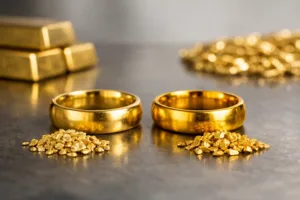
Comparing 18k vs 22k gold? Learn the difference in purity, durability, colour, value and best uses for jewellery, gifting and long-term wear.
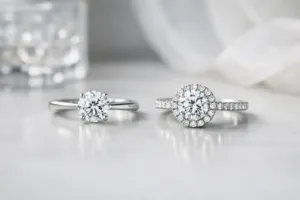
Diamond solitaire or halo – compare sparkle, size, price and style to choose the right engagement ring with confidence and lasting value.