Does Bespoke Jewellery Cost More Than Ready-Made?
Does bespoke jewellery cost more? Learn what shapes the price of a custom ring, from diamonds and metals to design, craftsmanship and long-term value.
We Buy Gold . Top Prices Paid .
7 Day Price Promise .
30 Day Returns
Free World Wide Shipping
Life Time Warranty
We Buy Gold . Top Prices Paid .
7 Day Price Promise .
30 Day Returns
Free World Wide Shipping
Life Time Warranty

+44 203 965 6669
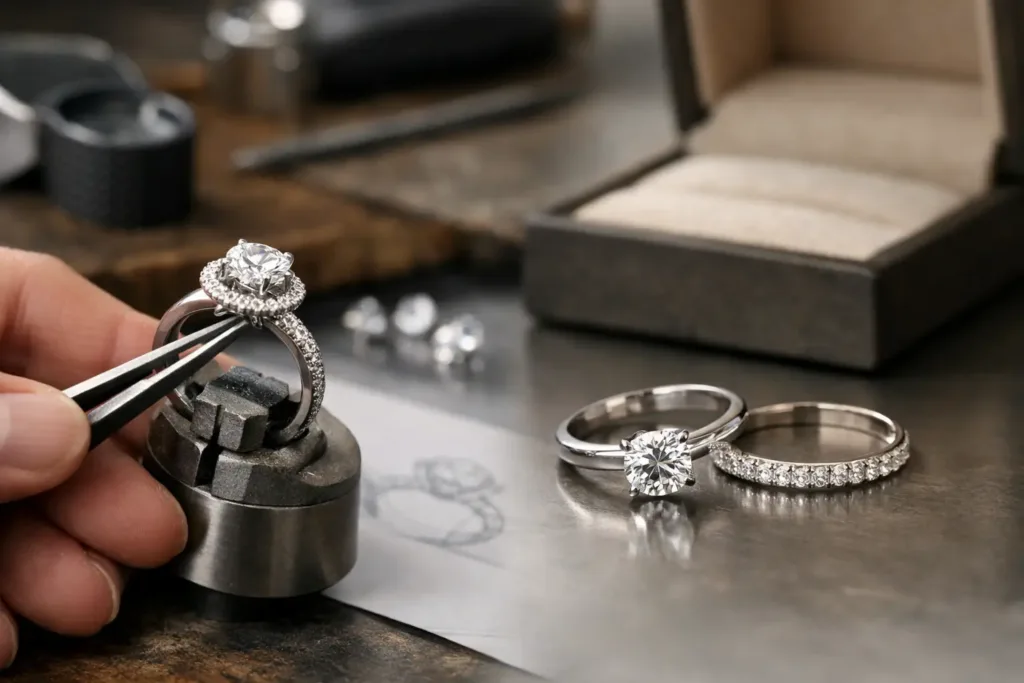
A bespoke engagement ring can look more expensive than a ready-made design before you have even seen a price. It is made for one person, one proposal and one set of preferences. But does bespoke jewellery cost more in practice? Not always. A custom piece can carry a higher cost where design and hand-finishing are involved, yet it can also give you far better control over where your budget goes.
The meaningful comparison is not simply bespoke versus off-the-shelf. It is whether the finished piece delivers the diamond, metal quality, craftsmanship and personal detail you want for the amount you are comfortable spending. For a purchase intended to be worn for decades, that distinction matters.
Bespoke jewellery may cost more than a mass-produced equivalent, particularly if the design requires original concept work, detailed setting techniques or substantial hand-finishing. A ready-made ring can be produced at scale, which spreads some manufacturing costs across many identical pieces. A bespoke ring is made around your chosen stone, finger size, metal and design brief.
That does not mean every custom ring is automatically the pricier option. The final cost is led by the materials and complexity you choose. A simple solitaire made in 18K gold with a carefully selected lab-grown diamond may be more accessible than a ready-made platinum ring with a larger natural diamond. Equally, an intricate halo ring with a high-carat centre stone, pavé-set shoulders and a platinum setting will require a more substantial budget whether it is bespoke or not.
The advantage of commissioning a piece is clarity. You can decide which elements deserve investment and which can be adjusted without losing the look you love.
A bespoke jewellery quotation should reflect much more than the visible precious metal and gemstone. It covers the work needed to turn an idea into a durable, wearable piece of fine jewellery.
Custom work begins by understanding the brief. This might mean refining a reference image, choosing proportions that suit the wearer’s hand, combining elements from several ring styles, or designing around a sentimental stone. A professional consultation helps convert those ideas into a practical design that will sit comfortably, protect the stone and remain timeless beyond a passing trend.
The design process can include sketches, digital renderings and revisions. For a straightforward design, this stage may be relatively modest. For a one-of-a-kind ring with unusual stone shapes, engraved details or a complex setting, it becomes a larger part of the price.
In many engagement rings, the centre stone is the largest cost. Its price depends on type, size, cut, colour, clarity and certification. Natural diamonds and lab-grown diamonds offer different routes to achieving your preferred appearance and budget, while both should be assessed on their individual quality and supported by suitable certification.
A bespoke process lets you make considered trade-offs. You may prioritise exceptional cut for brightness, select a slightly warmer colour that still looks beautifully white once set, or choose a lab-grown diamond to maximise carat weight. A trusted jeweller should explain these options clearly rather than steering you towards a specification that does not suit your priorities.
The metal choice has a direct effect on cost. Platinum is prized for its naturally white appearance and strength, while 18K gold offers a rich balance of precious metal content and everyday wearability. 9K gold can provide a more budget-conscious starting point, and 22K gold is often chosen for its deep colour and cultural significance, particularly in traditional gold jewellery.
A bespoke ring may use more metal than a lightweight ready-made design, especially where you request a substantial band, wider profile or detailed setting. The piece should also be hallmarked in accordance with UK requirements where applicable. Hallmarking gives valuable assurance of precious metal fineness and should be part of the conversation when buying fine jewellery in Britain.
A ring is only as secure as its setting. Claws must protect the centre stone without obscuring it; pavé diamonds must be precisely set; and the band must be balanced for regular wear. These are skilled processes, not cosmetic extras.
Labour costs increase with technical complexity. A plain solitaire is generally quicker to produce than a ring with hand-applied milgrain, hidden diamonds beneath the setting, an intricate gallery or an eternity-style band. This is where bespoke jewellery can command a premium, but it is also where quality craftsmanship is most visible over time.
Ready-made rings are convenient, and there are excellent designs available. They can be particularly suitable when you know exactly what you want, need a ring quickly or find a finished style that meets your preferred specification. However, pre-set jewellery can force compromises: the diamond may not be the size or quality you had in mind, the band may feel too fine, or resizing may alter the intended proportions.
Bespoke work can represent better value when you have a fixed budget and a clear priority. Instead of paying for features you do not care about, you can direct the spend towards the centre stone, a heavier band, platinum, a particular setting style or personal engraving. It can also make sense when a ring needs to accommodate an heirloom diamond, match an existing wedding band, or fit a finger size outside standard stock ranges.
There is another practical benefit. A custom ring is designed from the outset around the exact stone and the intended wearer. That can avoid the expense and disappointment of buying a ready-made ring only to discover that significant alteration is required later.
A good bespoke experience should feel informed, not intimidating. Start with a comfortable overall figure and explain what matters most. If sparkle is your priority, cut quality may deserve more attention than chasing the highest possible carat weight. If you love the look of a large centre stone, a lab-grown diamond may offer more flexibility. If durability is essential for an active lifestyle, discuss metal choice and setting height before committing to delicate details.
Small design decisions can make a significant difference. A solitaire with a refined hidden halo may deliver more individuality than a fully diamond-set band, while using plain polished shoulders can reserve more of the budget for the centre stone. Choosing an oval, pear or marquise diamond can also create a larger visual spread than some round stones of the same carat weight.
Do not reduce the budget by compromising on fundamentals. A secure setting, appropriate metal thickness and a properly certified diamond are better long-term priorities than decorative features that add cost but not confidence.
Before placing an order, ask for a clear quotation that separates the main elements of the piece: the stone, metal, design and manufacturing. Confirm the diamond’s grading report, the metal fineness, expected production timeframe and whether resizing can be arranged after the proposal. You should also understand the care guidance, warranty terms, returns position for personalised pieces and how the jewellery will be insured and delivered.
For higher-value diamond jewellery, certification is especially important. It provides an independent record of the stone’s stated characteristics and makes it easier to compare options fairly. Ethical sourcing information, UK hallmarking and a transparent aftercare process add further reassurance when you are making a major purchase.
At Hispek Diamonds, the bespoke process is designed to make these choices easier to understand, whether you are creating a classic diamond solitaire, remodelling a family stone or selecting a distinctive wedding set.
Bespoke jewellery is not simply about paying more for the word “custom”. Its value lies in having a piece made deliberately – with the right stone, precious metal, proportions and finishing for the person who will wear it. Some designs will cost more than ready-made alternatives because they demand more expertise and time. Others can be tailored to meet a budget more precisely than stock jewellery ever could.
The best next step is to bring your ideas, budget and non-negotiables to a knowledgeable jeweller. A clear conversation should leave you with more than a beautiful design: it should give you confidence that every pound is being spent on the details that will matter long after the box is opened.
Does bespoke jewellery cost more? Learn what shapes the price of a custom ring, from diamonds and metals to design, craftsmanship and long-term value.
Learn how to buy a wedding ring with confidence, from choosing metal and fit to setting a budget, checking hallmarks and finding a timeless style.
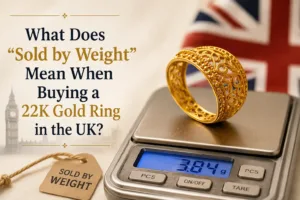
When a 22K gold ring is sold by weight, the gram weight of the ring becomes an important part of understanding what you are buying…

Our gold price outlook explains the forces moving bullion, what UK buyers should watch and how to buy 24K gold with greater confidence before buying.
Our lab grown diamond review guide explains certification, quality, value and settings, so you can choose a beautiful diamond with complete confidence.
Learn when jewellery repair and restoration can protect a treasured ring, chain or heirloom, and how expert care preserves its value and daily wearability.