What Jewellery Valuation for Insurance Covers
Jewellery valuation for insurance protects the pieces you treasure. Learn what a professional report includes, when to update it and how to insure well.
We Buy Gold . Top Prices Paid .
7 Day Price Promise .
30 Day Returns
Free World Wide Shipping
Life Time Warranty
We Buy Gold . Top Prices Paid .
7 Day Price Promise .
30 Day Returns
Free World Wide Shipping
Life Time Warranty

+44 203 965 6669
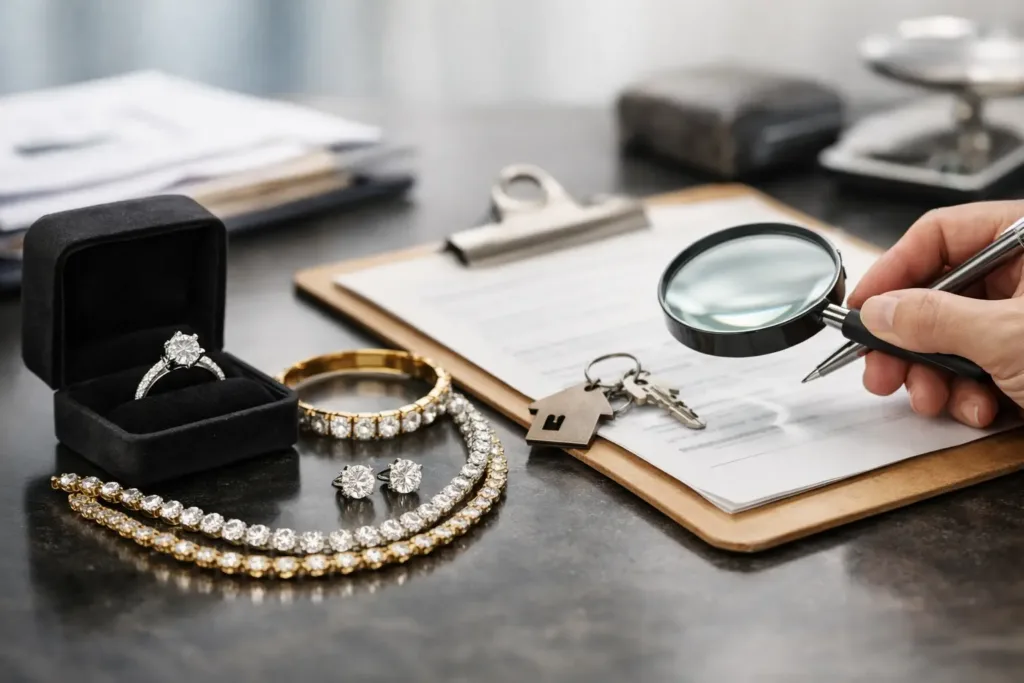
A diamond ring can be worn every day for years, until a loose setting, an unexpected loss or a burglary makes its absence painfully clear. Jewellery valuation for insurance gives you a clear, professionally supported figure to present to your insurer, helping you arrange cover that reflects the realistic cost of replacing a treasured piece like for like.
For fine jewellery owners, this is not a minor administrative task. Engagement rings, inherited gold, diamond earrings and bespoke pieces often carry both emotional significance and substantial value. A current valuation helps ensure that, should the worst happen, your policy is based on detailed evidence rather than an old receipt or an estimate made from memory.
An insurance valuation is a formal document that describes an item of jewellery and states its retail replacement value at the date of inspection. The purpose is to help an insurer replace the piece with one of comparable quality, materials and workmanship following a covered loss.
It is different from the amount you may receive if you sell the item. Resale values are generally lower because a private buyer, dealer or auction house is not pricing a newly made equivalent piece for retail replacement. It also differs from a probate valuation, which is usually based on an open-market figure for estate purposes.
A well-prepared report should identify the jewellery clearly enough that there is no uncertainty about what has been insured. For a diamond ring, that may include the metal, ring size, setting style, diamond shape, approximate weight, colour and clarity, measurements, hallmarks, any diamond grading report reference, and photographs. For gold jewellery, the report should record the fineness, weight, construction and relevant hallmarks, as well as stones or detailed craftsmanship that add value beyond the metal itself.
The replacement figure is not a promise of cash from the insurer. Policy terms vary. Some insurers offer a cash settlement, while others choose a preferred jeweller to source or remake a comparable item. The valuation remains valuable in either case because it sets out the quality standard the replacement should meet.
Your original receipt is worth keeping, particularly where it shows the specification, certification and purchase date. However, it records what you paid at a particular moment, not necessarily what it would cost to replace the item now.
Gold prices can move significantly. Diamond pricing also varies according to market conditions, cut quality, size, natural or lab-grown origin and availability. A bespoke ring may cost more to recreate than a comparable ready-made design due to the design work, stone matching and skilled setting involved. For these reasons, an insurer may request a current valuation rather than relying solely on a purchase invoice.
Underinsurance can create a frustrating result. If a ring is insured for £3,000 but a like-for-like replacement now costs £5,000, the policy may not provide the level of protection you expected. Overstating a value is not helpful either, as it can increase premiums without improving the quality of replacement available under the policy.
A new valuation is sensible as soon as you purchase a high-value item, especially an engagement ring, diamond jewellery, a bespoke commission or an heirloom without reliable paperwork. Ask your insurer what evidence it requires before arranging cover, as thresholds and accepted formats differ between providers.
After that, many owners choose to review fine jewellery every two to three years. The right interval depends on the item and the policy. Pieces containing larger diamonds, high-carat gold, rare coloured gemstones or specialist craftsmanship may warrant more frequent attention, particularly when precious-metal markets have changed materially.
You should also update the report after a meaningful alteration. This includes replacing or upgrading a diamond, remodelling inherited jewellery, changing a setting, adding stones, or carrying out repairs that alter the piece’s specification. A resized ring does not always need a completely new valuation, but it is sensible to ask the valuer or insurer if the work has affected the description or replacement cost.
Bring the jewellery itself, along with every piece of supporting information you have. This can include purchase receipts, previous valuations, diamond certificates, gemstone reports, repair invoices and photographs. Documentation is particularly useful for certified diamonds because the report number and grading details help establish the exact characteristics of the stone.
Do not worry if you have inherited jewellery without paperwork. A professional inspection can still establish the metal, assess gemstones and provide a considered replacement value. However, original certificates and historical details may make it easier to identify unusual stones, named makers or design features.
Before the appointment, avoid trying to clean delicate jewellery with harsh products. A trained valuer needs to examine condition, hallmarks and settings accurately. If a claw is worn, a stone is loose or a clasp is damaged, this may be recorded separately from the valuation and should be repaired before everyday wear.
The strongest insurance reports combine a precise description with clear supporting evidence. While the exact format varies, look for the following details:
For a high-value diamond, precision matters. Two stones may look similar from a distance yet differ greatly in price because of their cut, natural or laboratory-grown origin, proportions, colour, clarity or certification. A report that simply says “diamond ring” does not provide the same protection as one that captures the stone and setting in meaningful detail.
Bespoke jewellery deserves careful documentation because its value includes more than a list of materials. The design, hand-finishing, custom setting and work required to source a visually compatible replacement stone can all influence the replacement cost. Keep design sketches, CAD renders and commissioning invoices alongside the valuation where possible.
Inherited jewellery can be more difficult to assess, particularly when pieces have been altered over generations. Sentimental value cannot be insured in a financial sense, but a thorough description and good photographs improve the chance of an appropriate replacement or settlement if the item is lost.
Lab-grown diamonds should be described accurately. They can offer exceptional beauty and affordable luxury, but they are valued differently from natural diamonds and should never be represented otherwise. A valuation should state the diamond’s origin, certificate details and current replacement cost, ensuring the insurer understands exactly what is being covered.
A valuation supports your insurance application, but it does not replace reading the policy. Check whether individual items must be listed separately, whether accidental loss outside the home is included, and whether there is a single-item limit. Also confirm how the insurer handles matching sets. Replacing one lost earring in a pair can be more complicated than replacing a standalone pendant.
Consider where and how you wear the piece. A ring worn daily, jewellery taken abroad, or items kept in a second home may need different cover from pieces stored securely and worn occasionally. Insurers may also have security requirements for high-value collections, such as a safe, alarm or particular conditions when the home is unoccupied.
Bullion needs a separate conversation. Investment-grade 24K gold bars are not usually treated in the same way as wearable jewellery, and standard contents policies may apply exclusions, limits or storage conditions. Tell the insurer exactly what you own and request written confirmation of the cover rather than assuming precious-metal investments fall within a jewellery schedule.
Once your valuation is complete, send a copy to your insurer and retain the original report, certificates and invoices in a secure place away from the jewellery itself. Digital copies stored securely can be useful, as can current photographs showing each item from more than one angle.
At Hispek Diamonds, certified stones, UK hallmarked jewellery and detailed product documentation provide a strong foundation for protecting a considered purchase. Pair those records with a current professional valuation and insurance suited to how you live, wear and store your pieces. The result is practical reassurance: if a treasured item is ever lost or damaged, you will have the information needed to move forward with confidence.
Jewellery valuation for insurance protects the pieces you treasure. Learn what a professional report includes, when to update it and how to insure well.

Our Asian bridal jewellery guide explains 22K gold, bridal sets, diamonds, fit and care, so you can buy meaningful wedding jewellery with confidence.
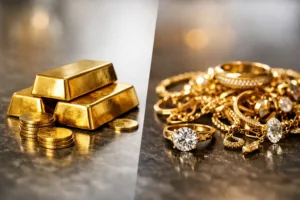
Choosing gold bullion or jewellery? Compare purity, VAT, resale value and purpose to buy with confidence for investment, gifting or personal style alike.
Our gold purity stamps guide explains UK hallmarks, carats and fineness so you can choose jewellery or investment gold with complete confidence with care.
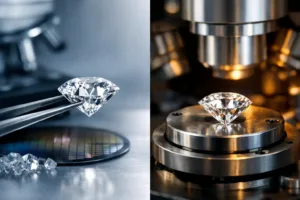
CVD vs HPHT diamonds explained: compare growth, quality, value and certification to choose a beautiful lab-grown diamond with complete confidence today.
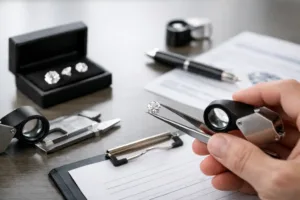
Learn how to verify diamond certification before you buy, from report numbers and grading labs to security features, retailer records and red flags too.