
Diamond Certification Explained Clearly
Diamond certification explained clearly – learn what a grading report covers, why it matters, and how to buy certified diamonds with confidence.
We Buy Gold . Top Prices Paid .
7 Day Price Promise .
30 Day Returns
Free World Wide Shipping
Life Time Warranty
We Buy Gold . Top Prices Paid .
7 Day Price Promise .
30 Day Returns
Free World Wide Shipping
Life Time Warranty

+44 203 965 6669
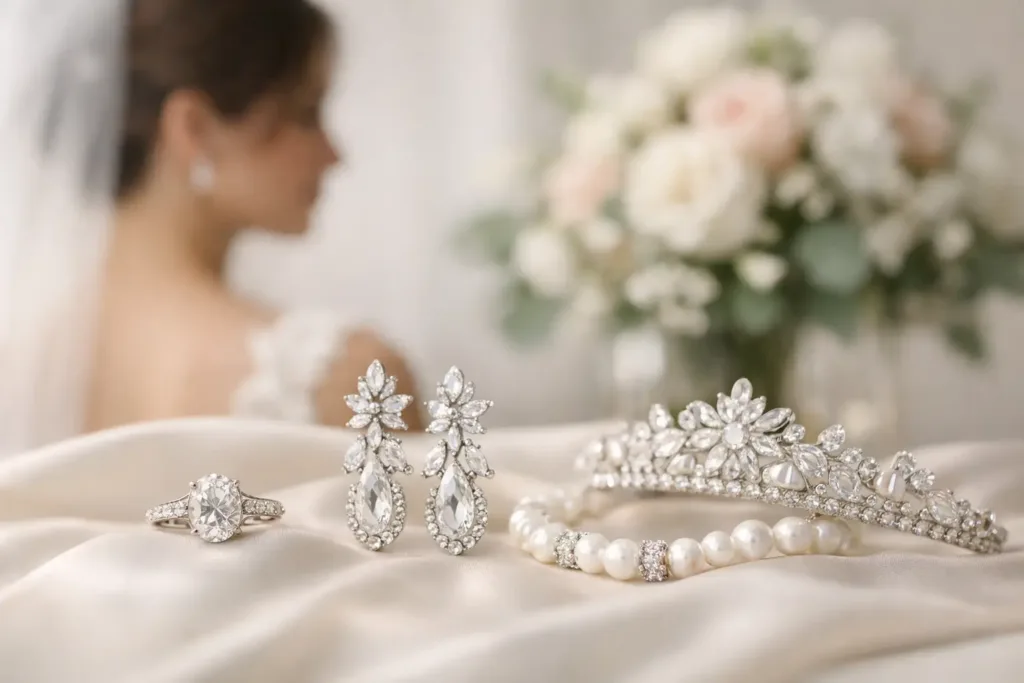
One thing is clear from wedding jewellery trends 2026: couples are choosing pieces that feel personal first and fashionable second. The shift is away from buying for a single day and towards selecting jewellery with long-term wear, clear value and a stronger sense of identity. For brides, grooms and gift buyers alike, that means more interest in certified diamonds, versatile gold tones, bespoke details and jewellery that can move easily from ceremony to everyday life.
That does not mean tradition is disappearing. If anything, classic bridal codes are being refined rather than replaced. The most relevant styles for 2026 balance timeless design with modern preferences around comfort, ethical sourcing, customisation and practical luxury. Buyers still want beauty, but they also want confidence in quality, craftsmanship and price.
The strongest trend for 2026 is not a single stone shape or metal colour. It is customisation. Brides are moving towards jewellery that reflects their wardrobe, cultural background and long-term style rather than copying a standard bridal set. This is especially visible in engagement rings, wedding bands and bridal earrings, where subtle design choices can make a classic piece feel individual.
Expect to see more bespoke touches such as hidden halos, mixed stone settings, engraved bands and combinations of natural or lab-grown diamonds with coloured gemstones. These details do not need to be dramatic to make an impact. Often, the most premium-looking pieces are the ones with one or two carefully considered personal elements rather than overly busy design.
For buyers, this is where expert guidance matters. Personalisation can increase sentimental value, but it should also preserve wearability. A ring may look striking in a photograph, yet still need practical features such as a low setting, secure claws and a band shape that sits comfortably next to a wedding ring.
Yellow gold has moved well beyond a comeback. In 2026, it is established as one of the leading bridal metal choices, especially in 18ct and 22ct styles where warmth and richness are part of the appeal. It flatters a wide range of skin tones, works beautifully with diamonds and pairs naturally with heritage-inspired settings.
This does not mean white metals are out. Platinum and white gold still hold a strong position, particularly for buyers who prefer a cooler, sharper finish and a traditional diamond look. The difference is that yellow gold now feels just as bridal, not just vintage or fashion-led.
Rose gold remains more selective. It suits romantic styling and can be very flattering, but it is likely to be chosen by buyers who already wear it rather than by those following a broader market trend. In practical terms, yellow gold offers one of the safest choices for those wanting warmth, timelessness and excellent day-to-day styling potential.
A notable development within wedding jewellery trends 2026 is the rise of mixed metals. This is not about clashing finishes for the sake of being different. It is about flexibility. A yellow gold band with a white setting, for example, gives the warmth of gold while keeping a bright frame around the centre stone.
For brides building a complete jewellery look, mixed metals also make it easier to coordinate engagement rings, wedding bands, earrings and family jewellery collected over time. It is a practical choice as much as a style one.
Round brilliant diamonds remain a dependable favourite because they offer timeless appeal and strong light performance. However, 2026 is seeing more demand for softer silhouettes and elongated shapes that feel elegant without being overly formal.
Oval, pear and emerald cuts are expected to remain especially popular. Oval diamonds continue to attract buyers who want finger coverage and a refined outline. Pear shapes feel slightly more directional while still classic. Emerald cuts appeal to those who value clean lines and understated confidence over maximum sparkle.
There is also growing appreciation for marquise and cushion cuts, especially in vintage-inspired ring designs. These shapes can feel distinctive without becoming niche. The trade-off is that shape should always be considered alongside lifestyle. A more elongated or pointed stone may need extra protection in the setting, particularly for daily wear.
Another clear 2026 trend is not visual at all. Buyers increasingly want clarity on what they are purchasing. Certified natural diamonds remain highly desirable for their rarity and long-standing prestige, while lab-grown diamonds continue to gain ground among couples seeking larger stone sizes and stronger value at a given budget.
For many shoppers, this is no longer an either-or debate based on status. It is a practical buying decision. Some want the heritage and natural origin of mined diamonds. Others prioritise size, cost efficiency and modern sourcing preferences. The key is transparency, certification and confidence in exactly what is being offered.
Pearls are one of the most interesting bridal categories for 2026. Rather than appearing only in classic stud earrings or formal strands, they are being used in fresher, cleaner designs. Think sculptural drop earrings, diamond-and-pearl combinations and minimalist pendants that add softness without looking old-fashioned.
This makes pearls especially relevant for civil ceremonies, second looks and destination weddings, where brides often want elegance without heavy styling. White pearls remain the safest option, but warmer tones are also gaining interest when paired with yellow gold.
There is still a balance to strike. Pearls can be beautiful for bridal wear, but they are softer than diamonds and require more care over time. For occasional wear, that is rarely an issue. For everyday bridal jewellery, durability should be part of the conversation.
If rings are becoming more personal, earrings are becoming more expressive. In 2026, statement bridal earrings are likely to continue gaining momentum, particularly for brides choosing simpler gowns or sleek hair styling. The look is polished rather than oversized for the sake of drama.
Long diamond drops, graduated clusters and contemporary pear-shaped designs are especially relevant. These styles frame the face well in photography and can add a luxury finish even when the rest of the jewellery is kept minimal. Studs still have a place, of course, particularly for buyers who want timeless versatility beyond the wedding day.
The best choice depends on fabric, neckline and hairstyle. Heavier earrings can create impact, but comfort matters if they will be worn all day and into the evening. This is one area where trying proportions carefully is worth more than following trend images.
Wedding bands in 2026 are receiving more attention as stand-alone pieces. Rather than choosing the simplest band at the end of the process, couples are considering shape, profile, metal and finish much earlier. For women, shaped diamond bands, court profiles and refined eternity details are all in demand. For men, heavier gold bands, brushed finishes and understated texture are becoming more common.
This reflects a wider change in buying behaviour. People want rings that feel considered on their own, not just pieces that support the engagement ring. Comfort-fit bands are particularly relevant for daily wear, and buyers are more willing to invest in quality because they understand these rings will be worn continuously.
For those interested in long-term value as well as style, higher purity gold and platinum remain strong options. It depends on budget, preferred finish and lifestyle, but durability and maintenance should be part of the decision from the start.
Perfectly matched jewellery sets are becoming less central to bridal styling. Instead, 2026 favours a curated look where each piece relates to the others without being identical. A bride might choose diamond drop earrings, a slim tennis bracelet and a solitaire pendant that share the same design language without feeling too coordinated.
This gives a more modern finish and usually offers better wear after the wedding. Jewellery that is too obviously bridal can end up stored away. Pieces chosen with versatility in mind are more likely to become part of a regular wardrobe, which makes the purchase feel more worthwhile.
For premium buyers, this is where quality becomes visible. When each item stands on its own, details such as setting precision, stone matching, metal finish and overall balance matter even more.
One of the less talked-about wedding jewellery trends 2026 is the growing range of men’s options. Traditional plain bands remain important, but more grooms are considering width, profile and metal tone with real intent. Yellow gold bands, platinum rings and subtle diamond accents are all part of this shift.
There is also increasing interest in wedding-day jewellery beyond the ring itself, including chains, bracelets and cufflink-style accessories in precious metals. The overall look is still restrained, but there is more appetite for personal style than in previous years.
For male buyers new to jewellery, simplicity usually works best. A well-made band in the right width and metal often says more than a heavily designed ring that may date quickly.
Trends can be useful, but wedding jewellery is still a high-value purchase that should stand up long after the photographs are taken. The smartest approach is to treat trend awareness as a filter, not a rulebook. If yellow gold suits your style, if an oval diamond flatters your hand, or if pearls fit the tone of your ceremony, those choices will feel current naturally.
What matters most is quality you can trust – certified stones, proper hallmarking, secure craftsmanship and a design that makes sense for real wear. For buyers who want both luxury appeal and reassurance, working with a specialist such as Hispek Diamonds can make the process clearer, especially when comparing metals, diamond options and bespoke possibilities.
The best wedding jewellery for 2026 will not be the piece that simply looks fashionable now. It will be the one that still feels right every time you wear it, years after the wedding has passed.
Diamond certification explained clearly – learn what a grading report covers, why it matters, and how to buy certified diamonds with confidence.
Learn what certified diamond engagement rings mean, how grading works, and what to check before you buy for confidence, value and lasting peace.
Learn how to buy ethical sourcing diamond jewellery with confidence, from certification and traceability to lab-grown and natural diamond choices.
Understand uk hallmarking on gold jewellery, what each stamp means, legal standards, and how hallmarks help you buy genuine gold with confidence.
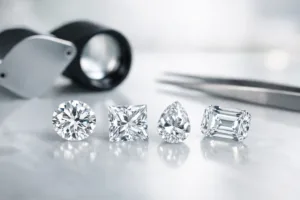
Learn what are the 4Cs of diamonds – cut, colour, clarity and carat – and how to balance them for brilliance, beauty and value.
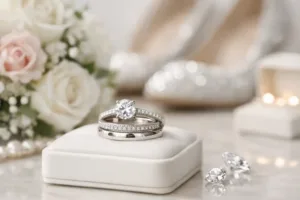
Our bridal set rings guide explains matching styles, metals, diamond choices, fit and value, so you can buy with clarity and confidence.