

What Does “Sold by Weight” Mean When Buying a 22K Gold Ring in the UK?
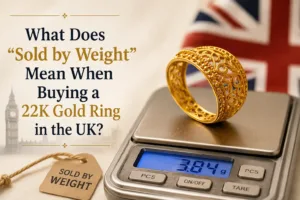
When a 22K gold ring is sold by weight, the gram weight of the ring becomes an important part of understanding what you are buying…
We Buy Gold . Top Prices Paid .
7 Day Price Promise .
30 Day Returns
Free World Wide Shipping
Life Time Warranty
We Buy Gold . Top Prices Paid .
7 Day Price Promise .
30 Day Returns
Free World Wide Shipping
Life Time Warranty

+44 203 965 6669
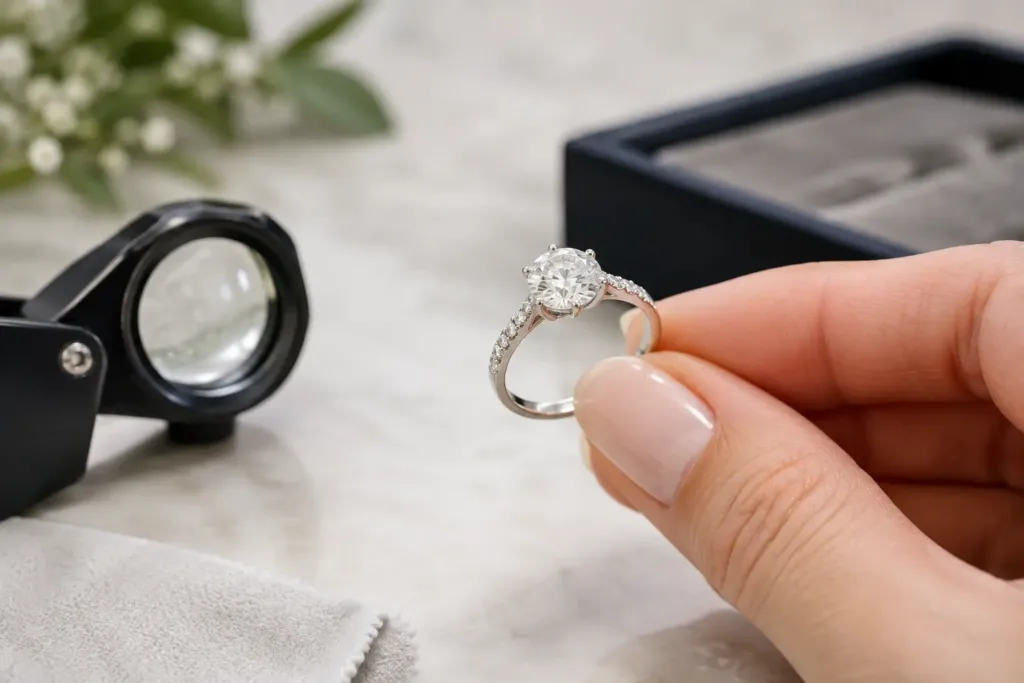
A diamond ring can look flawless under the lights, yet the most useful detail may be tucked inside the band. So, are diamond rings hallmarked? In the UK, the answer is usually yes when the ring is made from gold, platinum, palladium or silver above the legal weight threshold. The hallmark applies to the precious metal mount, not the diamond itself, and it is one of the clearest signs that you are buying a correctly described piece of fine jewellery.
For an engagement ring, wedding ring or meaningful gift, this small set of marks provides practical reassurance. It confirms the fineness of the metal and shows that it has been independently tested by an assay office. It does not replace diamond certification, but it is an essential part of buying with confidence.
Most diamond rings sold as precious metal jewellery in the UK must be hallmarked if they exceed the statutory exemption weight. This applies whether the centre stone is a natural diamond or a lab-grown diamond. The origin of the diamond does not change the hallmarking requirement because the hallmark relates to the ring’s metal.
A gold diamond ring weighing more than 1 gram must normally be hallmarked. The same 1 gram threshold applies to palladium. For platinum, the threshold is 0.5 grams, while sterling silver items must generally weigh more than 7.78 grams before compulsory hallmarking applies.
This means a very fine, lightweight diamond ring may be legally exempt from compulsory hallmarking. That does not automatically make it poor quality or unsuitable. However, a premium ring that falls below the exemption threshold should still be described accurately, including its metal purity. Many reputable jewellers choose to hallmark eligible pieces even where a lighter design could be exempt, because the mark gives the buyer greater clarity.
A UK hallmark is a series of small, permanent stamps, usually found on the inside of the shank. On a narrow band, the marks may be tiny, so a jeweller’s loupe or a clear phone-camera image can make them easier to read.
The core marks identify who submitted the item for hallmarking, the metal fineness, and the assay office that tested it. In straightforward terms, the hallmark tells you who stands behind the piece, what precious metal content it contains, and that the claim has been independently verified.
For diamond rings, the number indicating fineness is often the first mark buyers recognise. Common examples include:
The sponsor’s mark is normally a unique set of initials or symbols registered to the business or maker responsible for submitting the ring. The assay office mark identifies the office that carried out the test. Optional marks may also appear, such as a date letter or a traditional metal symbol.
A hallmark is not a style statement. It is a legal and practical verification mark that supports the metal description you have been given.
This distinction matters, particularly when choosing an engagement ring. A hallmark verifies the precious metal content of the setting. It does not confirm whether a diamond is natural or lab-grown, whether it is treated, or its cut, colour, clarity and carat weight.
For those details, ask for the diamond’s grading information. Larger centre diamonds are commonly accompanied by an independent laboratory grading report, while smaller diamonds may be described through a jewellery specification or valuation. A reputable retailer should explain clearly what documentation comes with the ring and what each document confirms.
Think of it this way: the hallmark speaks for the band; the diamond certificate or specification speaks for the stone. Both are valuable, but they answer different questions.
Precious metal can represent a significant part of a ring’s value, especially in heavier 18K gold, 22K gold or platinum designs. A hallmark helps ensure that a ring described as 18K gold is genuinely 18K gold, rather than lower-purity metal, plated jewellery or a base-metal alternative.
It also makes future ownership simpler. If you later need a valuation for insurance, a repair, resizing, remodelling or resale assessment, clear hallmarks help establish the metal content quickly. This can be particularly useful with heirloom rings, where original paperwork may no longer be available.
Hallmarking also protects the wider jewellery market. UK assay offices independently test precious metal articles, giving customers a consistent standard that is recognised by jewellers, valuers and insurers. When you are making a high-value purchase online, that additional layer of verification is worth looking for.
On most rings, the hallmark is placed inside the band, often near the lower section of the shank. It may consist of several adjoining marks rather than one simple stamp. In delicate solitaire settings, pavé rings and very slim wedding bands, space is limited, so the impression can be exceptionally small.
Do not assume that a missing or worn mark means a ring is not precious metal. Older rings may have hallmarks softened by decades of wear, polishing or resizing. A ring may also have been repaired in a way that removed part of the original stamped section. Antique and vintage jewellery needs a more considered assessment, ideally by an experienced jeweller or valuer.
For a new ring, however, ask where the hallmark is located if you cannot see it in the product images. A trusted jeweller should be able to confirm the metal, fineness and hallmarking status before purchase.
The colour of a ring is not proof of its metal. White gold can look similar to platinum, while yellow gold may be 9K, 14K, 18K or 22K. A hallmark gives you the factual answer.
White gold is commonly rhodium plated to achieve its bright, cool finish, but rhodium plating is not the same as platinum. An 18K white gold ring should carry a 750 fineness mark if it is above the legal weight threshold, while platinum jewellery will usually show 950. Both are premium choices, but they differ in composition, weight, maintenance and price.
Yellow gold engagement rings often suit buyers who want a warm, timeless appearance, while platinum remains popular for its naturally white colour and reassuring density. Neither choice is universally better. Your preferred look, lifestyle, budget and the design of the setting should guide the decision.
If a diamond ring is imported and sold in the UK as gold, platinum, palladium or silver, it must generally meet UK hallmarking requirements unless it falls under an exemption. Some internationally recognised convention hallmarks may be accepted, but buyers should still expect clear disclosure about the metal purity and the marks present.
This is especially relevant when comparing prices from overseas sellers. A lower headline price can be appealing, but it may not account for duty, VAT, returns arrangements, resizing support, warranty cover or compliance with UK hallmarking rules. For an engagement ring or other once-in-a-lifetime purchase, the aftercare available to you can be as meaningful as the initial saving.
Before placing an order, confirm the metal type and fineness, whether the ring is hallmarked, and whether the diamond comes with a grading report or detailed specification. If the ring is under the legal weight threshold, ask the retailer to explain why it is not hallmarked and how the metal purity has been verified.
For bespoke rings, it is sensible to discuss hallmarking before production begins. A custom design may combine different metals, include a very slim shank or require later resizing. Your jeweller can advise how these decisions affect the finished ring, its hallmarks and its long-term wear.
At Hispek Diamonds, certified diamond jewellery and precious metal quality are approached with the same attention to detail: clear specifications, appropriate hallmarking and expert support before and after purchase. That is particularly valuable when you are selecting a ring that will be worn every day.
A hallmark may be small, but it carries substantial reassurance. When you pair correctly hallmarked precious metal with clear diamond documentation and a retailer you can rely on, you can choose a diamond ring for its beauty while knowing the details beneath the surface are equally considered.
When a 22K gold ring is sold by weight, the gram weight of the ring becomes an important part of understanding what you are buying…

Compare natural diamonds vs lab diamonds by beauty, value, origin and price. Choose a certified stone for your engagement ring with confidence today.

Our lab diamond review explains certification, value, quality and care, helping UK buyers choose an ethical, beautiful ring with confidence every day.

Diamond clarity vs colour priority explained: learn which grade has the greatest visible impact, how cut and setting matter, and buy with confidence well.
Does bespoke jewellery cost more? Learn what shapes the price of a custom ring, from diamonds and metals to design, craftsmanship and long-term value.

Learn how to buy a wedding ring with confidence, from choosing metal and fit to setting a budget, checking hallmarks and finding a timeless style.