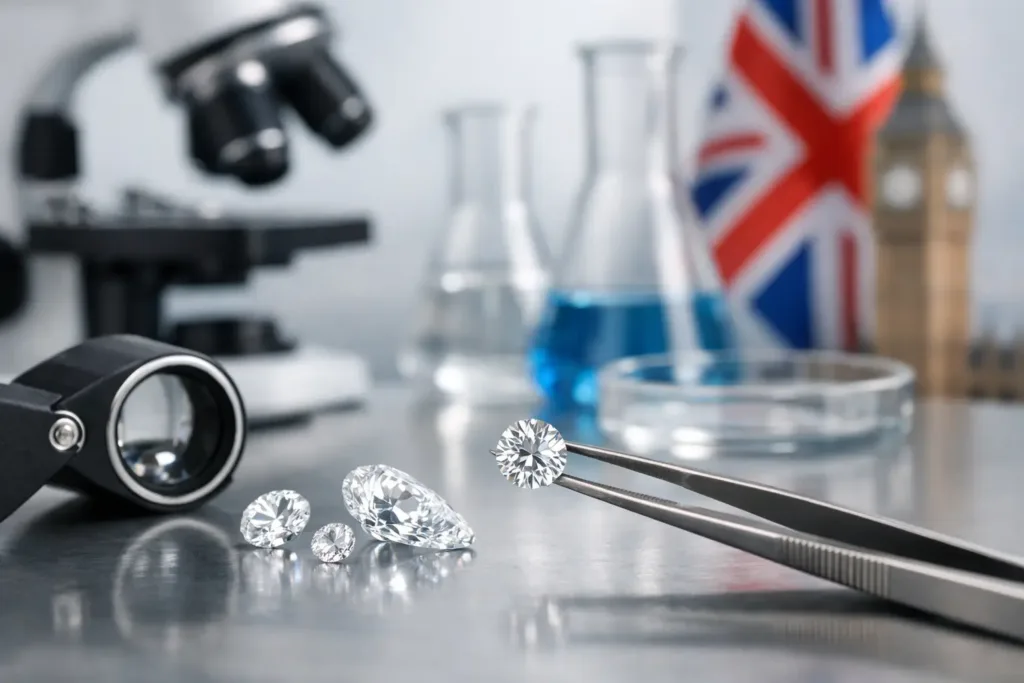
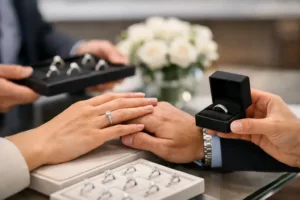
A fine diamond should feel exciting to buy, not difficult to assess. This lab diamond review is designed for UK buyers comparing a laboratory-grown stone with a natural diamond for an engagement ring, anniversary gift or personal piece of jewellery. The short answer is that lab diamonds can offer exceptional beauty and impressive size for the budget, provided you judge the stone by its certification, cut and overall quality rather than price alone.
A lab-grown diamond is a real diamond. It has the same fundamental crystal structure, hardness and sparkle as a mined diamond. The difference lies in its origin: it is created in a controlled laboratory environment rather than formed beneath the earth over billions of years. That distinction affects rarity, price and resale expectations, but not whether the stone is a diamond.
Lab diamond review: what you are really buying
The best reason to choose a lab-grown diamond is value. For the same budget, many buyers can select a larger carat weight, a higher colour grade or improved clarity than they might with a comparable natural diamond. This makes lab diamonds especially compelling for engagement rings where visual impact matters, but a realistic budget still matters too.
However, carat weight should never be the only measure of value. A beautifully proportioned one-carat diamond with excellent light performance can look more impressive than a larger stone with a poor cut. The aim is not simply to buy the biggest diamond available. It is to choose a stone that looks bright, balanced and timeless once it is set in the ring you will wear every day.
Lab diamonds are commonly created using High Pressure High Temperature or Chemical Vapour Deposition methods. Both processes produce genuine diamonds, and neither is automatically better for every buyer. What matters most is the individual stone’s grading report and appearance. A reputable jeweller should be able to explain the specifications clearly, without relying on vague claims or technical language that obscures the decision.
Certification is the starting point for confidence
For a significant diamond purchase, independent certification is essential. A grading report records the diamond’s characteristics, typically including carat weight, colour, clarity, cut or proportions, polish and symmetry. It gives you a reliable basis for comparing stones that may appear similar online or in a showroom.
Look for a report from a recognised independent laboratory, such as IGI or GIA, and make sure the report number corresponds with the diamond being offered. Many certified lab diamonds are laser-inscribed with their report number on the girdle, which provides an additional layer of reassurance. The report should also state that the diamond is laboratory-grown.
Certification does not replace seeing the diamond, but it protects you from guesswork. Images can make a stone look whiter or cleaner than it does in ordinary light. Ask to see clear photography, video where available, and the grading details together. If you are buying remotely, transparent stone information and a clear returns policy are particularly valuable.
The four Cs still apply
The familiar four Cs remain useful for lab-grown diamonds, although their importance is not equal. Cut should usually lead the conversation because it has the greatest effect on brightness, fire and scintillation. A round brilliant diamond with a strong cut grade is often the safest choice for maximum sparkle, while oval, pear and emerald cuts need to be judged carefully for their individual proportions.
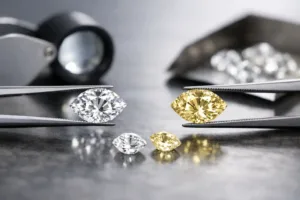
Colour is graded from colourless through to noticeable warmth. For white gold or platinum settings, many buyers favour diamonds in the near-colourless to colourless range. In yellow or rose gold, a slight hint of warmth may be less visible, allowing you to allocate more of the budget to cut or carat weight.
Clarity describes internal characteristics and surface features. A diamond does not need to be technically flawless to look flawless to the naked eye. Choosing an eye-clean stone can be a sensible way to secure excellent value. With step-cut shapes such as emerald and Asscher cuts, inclusions can be easier to spot, so clarity deserves extra attention.
Carat is the diamond’s weight, not a direct measurement of its visible size. Two diamonds of the same carat weight can face up differently depending on their proportions. Check the millimetre measurements as well as the carat figure, especially when comparing elongated shapes such as ovals and marquises.
How lab diamonds compare with natural diamonds
A natural diamond carries geological rarity and a traditional sense of permanence that some buyers strongly value. It may also retain a stronger position in the resale market, although no diamond should be purchased solely as a guaranteed investment. Market prices, condition, demand and the original purchase price all influence what a pre-owned diamond may achieve.
Lab diamonds are generally more affordable because they can be produced in greater quantities and the supply can increase over time. Their resale value is typically less predictable and often lower than that of an equivalent natural diamond. This is not a flaw if your priority is beauty, wearability and budget, but it should be understood before purchase.
The environmental conversation also deserves a measured view. Lab-grown diamonds avoid mining, which appeals to many buyers, yet production requires significant energy. Environmental impact depends partly on the energy sources and practices behind a particular supplier. A considered purchase focuses on transparent sourcing, trusted certification and a piece you intend to enjoy for years, rather than treating broad sustainability claims as proof on their own.
Choosing the right setting for a lab-grown stone
A lab diamond can be set in the same precious metals as a natural diamond. Platinum offers a naturally white, durable setting with a reassuringly substantial feel. White gold provides a bright contemporary finish, while yellow gold creates a warm contrast that suits both classic and modern ring designs. Rose gold offers a softer, more romantic alternative.
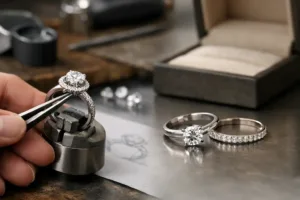
The setting should protect the stone and suit your lifestyle. A solitaire allows the diamond to take centre stage and is easy to pair with a wedding band. A halo can make the centre stone appear larger, while a three-stone ring adds symbolic meaning and extra presence. For someone with an active job or hands-on routine, a lower-profile setting may be more practical than a high-set design.
Bespoke design is particularly useful when standard sizes or settings do not quite meet your vision. You may want to prioritise a certain diamond shape, incorporate a hidden detail, reuse family gold, or create a wedding set that sits perfectly together. The right jeweller will explain what is possible, provide clear expectations on timing and cost, and ensure the finished ring is hallmarked where required.
Questions worth asking before you buy
Before committing, ask for the diamond’s full certification details, the exact measurements, the metal purity and the total price including the setting. Confirm whether the ring can be resized, what warranty is included, and how returns are handled if you are purchasing online. These practical details matter as much as the headline diamond grade.
It is also worth asking whether the diamond has any visible growth features, strain or colour undertones that could affect its appearance. Not every buyer needs an expert-level technical assessment, but a knowledgeable retailer should be comfortable discussing the stone openly. Confidence comes from having clear answers, not from being told that every diamond is identical.
At Hispek Diamonds, certified lab-grown diamond jewellery can be selected with the same care given to any premium piece: with transparent specifications, expert support and the opportunity to create a ring that feels personal to the wearer.
Is a lab diamond right for you?
A lab-grown diamond is a strong choice if you want a genuine diamond with striking visual quality and greater flexibility in your budget. It is particularly suited to buyers who would rather prioritise size, sparkle or a detailed bespoke setting than pay a premium for natural origin. It may be less suitable if long-term rarity, traditional provenance or potential resale performance is central to your decision.
The most satisfying choice is the one that reflects what you value. Compare certified stones carefully, view them with an honest eye, and choose a design you will still be proud to wear long after the proposal, celebration or special occasion has passed.